
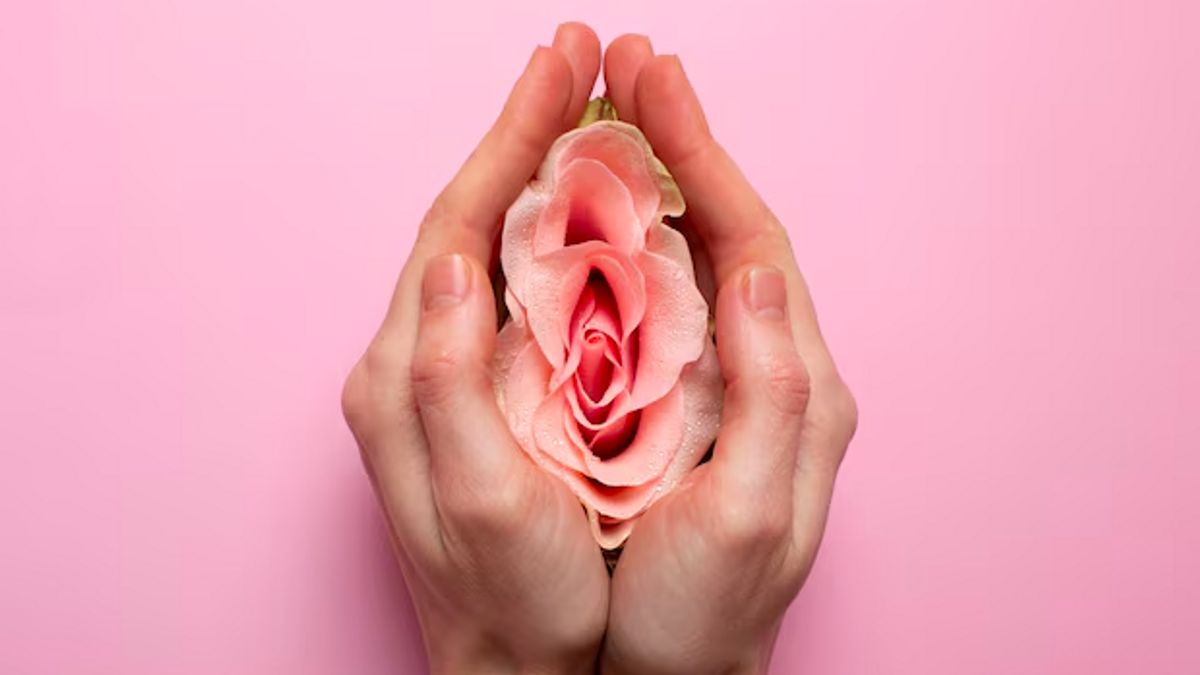


JAKARTA - Not a few women have a certain name to call their intimate organs alias vagina. Like calling it with the word "down there" to "pee-pee".
Quoted from Huffpost, on Monday, January 12, 2026, the term women for the vagina can reflect how they view the genitals to be related to sexual life.
In a study published in the journal Sex Roles recently, researchers surveyed 457 women in the United States ranging in age from 18 to 81, with an average of about 37 years.
The women were asked what term they most commonly used to refer to their genitals, in two different scenarios, everyday or non-sexual and during partnered sex.
In addition, the women also completed a series of questionnaires designed to assess their genital self-image, their overall sexual enjoyment, orgasm frequency, attitudes toward oral sex and several health behaviors.
The results of the study showed that in everyday conversations, the study found that the majority of women (about 75 percent) reported using at least one anatomical term, with "vagina" being the most common.
"One interesting thing is that compared to data from 20 years ago, we also found that the term 'vulva' (referring to the outer parts of the female genitalia) and words referring to the clitoris have become more common, indicating a more diverse and anatomically informed vocabulary today," said one of the study's authors, Tanja Oschatz.
"We found that genital naming among women is highly diverse," he added.
However, the context of the use of the term vagina is very important in the study. For example, the term childish is associated with a more negative attitude, only used in a non-sexual context, but not during a sexual one.
Researchers found using childish terms for the vagina in everyday life, such as "pee pee", "hoo ha", tended to report more negative feelings about their genitals to sexual relationship preferences.
"These terms are also associated with more negative perceptions of partner oral sexual pleasure, greater use of vaginal cleaning products and higher openness to labiaplasty," Oschatz concluded.
The English, Chinese, Japanese, Arabic, and French versions are automatically generated by the AI. So there may still be inaccuracies in translating, please always see Indonesian as our main language. (system supported by DigitalSiber.id)


