
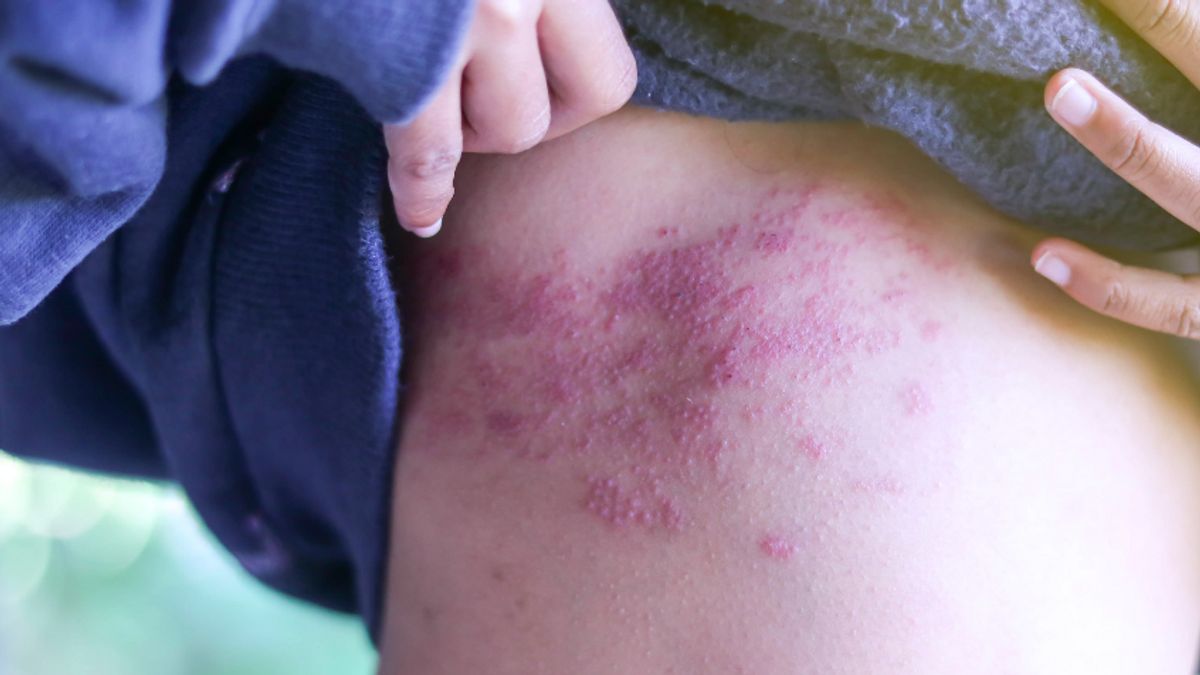


JAKARTA - The varicella zoster virus that causes chickenpox does not actually disappear from the body even though a person has recovered. This virus can "sleep" in the nerves, specifically around the spine, and can reactivate at any time when the immune system is weakened.
When it is active again, the virus will appear as chickenpox or herpes zoster which often causes severe pain.
The Director of Non-Communicable Diseases at the Ministry of Health, Siti Nadia Tarmizi, explained that anyone who has ever had chickenpox has the potential to experience chickenpox later. This condition is triggered by various factors such as accompanying diseases, stress, to a decrease in immunity as people age.
"People may think that chickenpox is just a common thing, or that it will be cured later. But in certain conditions, you can get heart disease, especially if you have hypertension, diabetes mellitus, and usually the elderly are also easily stressed," he said.
This was stated by Siti Nadia Tarmizi, at the 2026 Shingles Action Week "Prevent Chicken Pox Without But" press conference with GSK, Ministry of Health, PERKI and the Indonesian Heart Foundation, in Jakarta, recently.
The same thing was conveyed by a specialist in heart and vascular diseases, Vito A. Damay, who confirmed that the virus does settle in the body, specifically in the human nerve endings, which when the immune system is weakened, it can be active and re-infect the body.
"Chickenpox, when he recovers, the virus does not disappear, the virus is sleeping. He sleeps at the end of our nerves, it's right near our spine. When his immunity goes down, he comes out. There is no one, he comes out immediately, that's what makes chickenpox," he said.
Other risk factors that also trigger the emergence of chickenpox include advanced age, obesity, heart disease, and diabetes. In addition, stress also plays a major role because it can lower the immune system.
Chickenpox is not only experienced by the elderly, but can also attack adults who have a decrease in immunity. Symptoms include fever, pain in certain areas, to pain that is often mistaken for other disorders such as chest or abdominal pain.
"When it appears there are blisters of water. This is different, oh yes, how sick it is," said Vito.
The blisters containing fluid that appear on the skin are a typical sign of this disease. Many patients complain of severe pain that can even interfere with daily activities. This disease is also known in the community as dompo or herpes.
In terms of prevention, dr. Nadia recommends vaccination, especially for individuals aged 50 years and above. He also highlighted the high number of people with hypertension and diabetes in Indonesia which can increase the risk of getting chickenpox.
Meanwhile, the Chairman of the PP PERKI, Ade Meidian Ambari, emphasized the importance of maintaining body resistance through a healthy lifestyle.
"Our immune system goes up and down, sometimes it's good, sometimes it's ugly. So keep in mind that the immune system depends on a healthy lifestyle," he said.
He recommends regular exercise of at least 150 minutes per week at moderate intensity, managing stress, and maintaining a nutritious diet. Getting enough sleep, about 6-8 hours per day, is also important for maintaining heart health and body immunity.
In addition, to prevent transmission, the public is urged to avoid direct contact with blisters of sufferers. If you have to handle the patient's clothes, you should use gloves and wash them with hot water and detergent so that the virus can die.
The English, Chinese, Japanese, Arabic, and French versions are automatically generated by the AI. So there may still be inaccuracies in translating, please always see Indonesian as our main language. (system supported by DigitalSiber.id)
Most Popular Tags
#Prabowo Subianto #donald trump #earthquake #independence day #8791 #hut riPopular


