

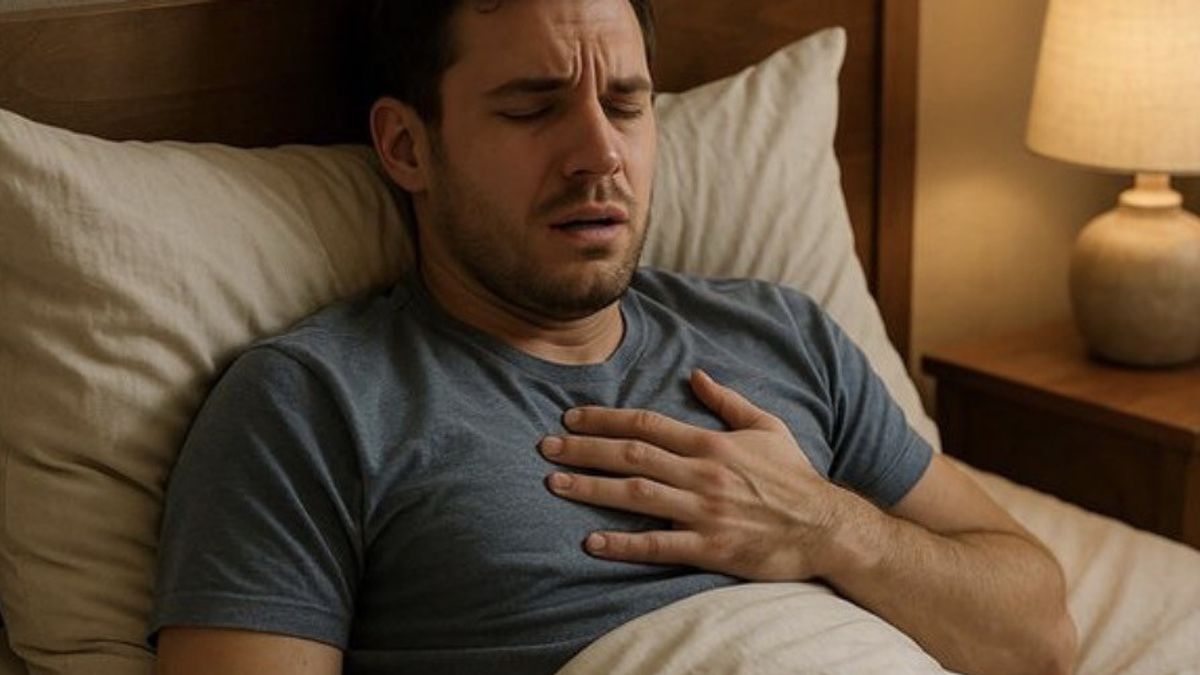


JAKARTA - Heart disease does not appear suddenly. This disease develops slowly over the years, influenced by blood pressure patterns, inflammation, blood sugar regulation, to sleep quality. This factor is usually caused by our habits done after 7 pm.
Cardiologist Dr. Sanjay Bhojraj, MD said that the choices made at night determine whether the body goes into recovery mode or stays in a state of stress.
The following are 7 things to avoid at night to avoid heart disease, as reported by the CNBC Make It website on Sunday, March 22, 2026.
1. Eating Late at Night
Our bodies work according to the circadian rhythm. At night, insulin sensitivity decreases so that the body is more difficult to process sugar and fat
"Eating too late at night can increase blood sugar after eating, disrupt fat metabolism, and trigger inflammation," said Dr. Bhojraj.
In addition, the digestive process at night can interfere with the body's natural repair process, which is very important for blood vessel health.
2. Lighting is too bright
Bright lights, especially those rich in blue light, can suppress the production of melatonin, an important hormone for sleep and heart health.
Exposure to light at night is even associated with an increased risk of coronary heart disease. The solution is to use warm or dim lights. Dr. Bhojraj uses dim red lights when getting ready for bed.
3. Watch Emotional Shows
Our bodies can't tell the difference between drama on the screen and real stress.
"The nervous system continues to react, the heart rate increases, blood pressure rises, and triggers disturbances in the blood vessels," explained Dr. Bhojraj.
Emotional stress, even from watching can damage blood vessel function and in certain cases trigger heart problems.
4. Heavy Sports
Exercise is good, but timing is important.
Intense exercise in the evening can increase stress hormones (cortisol), disrupt sleep, and lower the quality of the body's recovery.
"Our bodies need time to really slow down and rest, not be forced to run fast at the end of the night," said Dr. Bhojraj.
5. Drink Alcohol
Although it feels soothing, alcohol actually disrupts the body physiologically. Alcohol can disrupt sleep quality, inhibit the REM (Rapid Eye Movement) sleep phase, increase heart rate at rest, and interfere with the reduction of blood pressure at night. This effect contributes to an increased risk of heart disease in the long term.
6. Emotional conversations
Emotional arguments or discussions in the evening can trigger a spike in stress hormones.
"Important conversations don't always have to be done at night," says Dr. Bhojraj.
Emotional stress can lower heart rate variability, trigger arrhythmias, and increase the risk of heart disease.
7. Unlimited Screen Exposure
Phones, tablets, and TVs emit blue light that delays the production of melatonin. As a result, sleep is more delayed, sleep quality decreases, and the risk of hypertension, insulin resistance, and inflammation increases.
"Protecting sleep quality is one of the best ways to maintain long-term heart health," he said.
The English, Chinese, Japanese, Arabic, and French versions are automatically generated by the AI. So there may still be inaccuracies in translating, please always see Indonesian as our main language. (system supported by DigitalSiber.id)
Most Popular Tags
#Prabowo Subianto #donald trump #2026 World Cup #Febrie Adriansyah #8791Popular


