
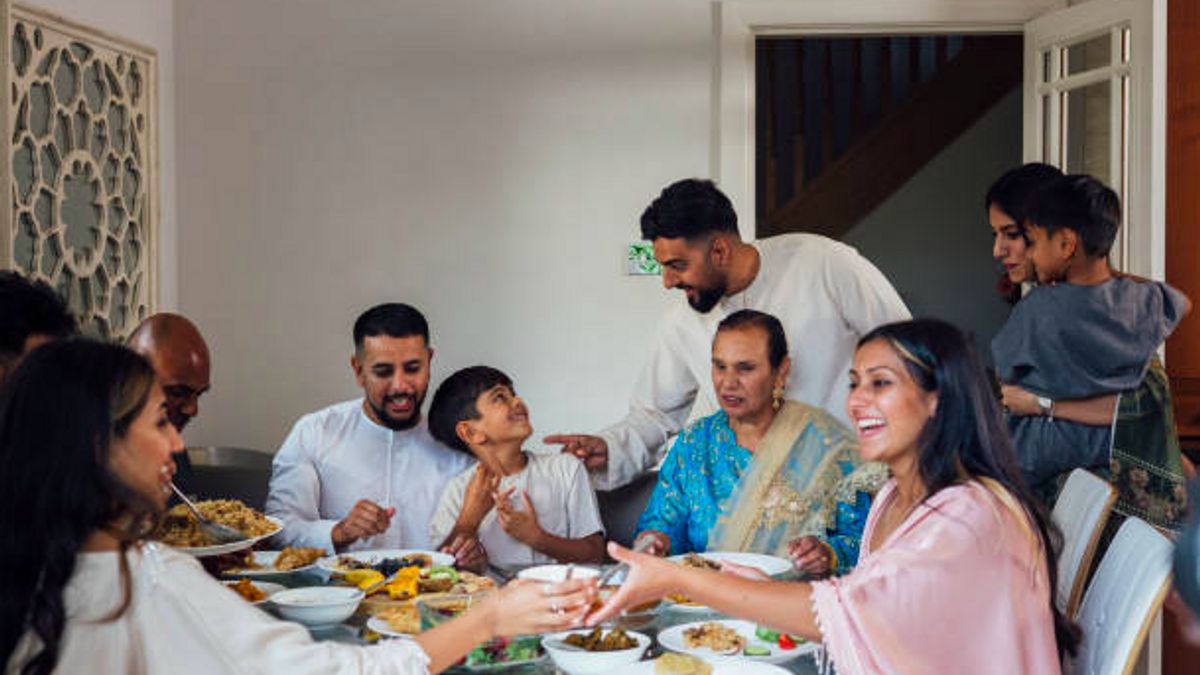


JAKARTA - The moment of socializing during Eid is often colored by a large family meeting, including meeting babies and adorable children. However, spontaneous habits such as kissing, holding, or touching children without permission should be avoided.
In addition to potentially making children uncomfortable, this action can also increase the risk of disease transmission, especially because the child's immune system is still developing.
Children's specialist doctor dr. Leonirma Tengguna, M.Sc, Sp.A, CIMI reminded the public not to touch children carelessly when greeting at the Lebaran moment.
In addition to the habit of touching children directly, the doctor graduated from Gadjah Mada University also highlighted another habit that often occurs, namely giving or feeding food to children without the knowledge of their parents.
"It's okay for children to be with people, but don't play with kisses, hold, especially if you lick it. We don't know what germs are attached to our hands and whether the food is safe to eat for the child," he said in a post on the @dokteranak_leonirma Instagram account, as quoted by ANTARA.
He explained that children's immune systems are not as well developed as adults. Therefore, exposure to germs through unclean hand contact can make children more susceptible to disease.
If you want to interact with your child, Leonirma suggests asking permission from the parents first. This step is important to ensure that the interaction remains safe and does not make the child feel uncomfortable.
The same applies when you want to give your child food. Permission from parents is needed to avoid the risk of allergies or the wrong feeding that is not in accordance with the child's health condition.
In addition, maintaining hand hygiene is also important when meeting children. Washing hands with soap or antiseptic liquid can help reduce the possibility of spreading germs through contact.
For people who are feeling unwell, the use of masks is also recommended so that social gatherings can continue safely without increasing the risk of disease transmission.
Closing his message, Leonirma reminded that showing love to children does not always have to be through direct touch.
"Just give THR. You don't have to hold your child, you don't have to make your child sick," he said.
The message is also relevant to the current health conditions in Indonesia, where several infectious diseases such as the flu and measles are reported to be on the rise.
Unhygienic touch can be one of the transmission channels of the disease, especially in children whose immune systems are still vulnerable. Therefore, the implementation of Healthy Living Behavior (PHBS) remains important, including when gathering with family at the Lebaran moment.
The English, Chinese, Japanese, Arabic, and French versions are automatically generated by the AI. So there may still be inaccuracies in translating, please always see Indonesian as our main language. (system supported by DigitalSiber.id)


