
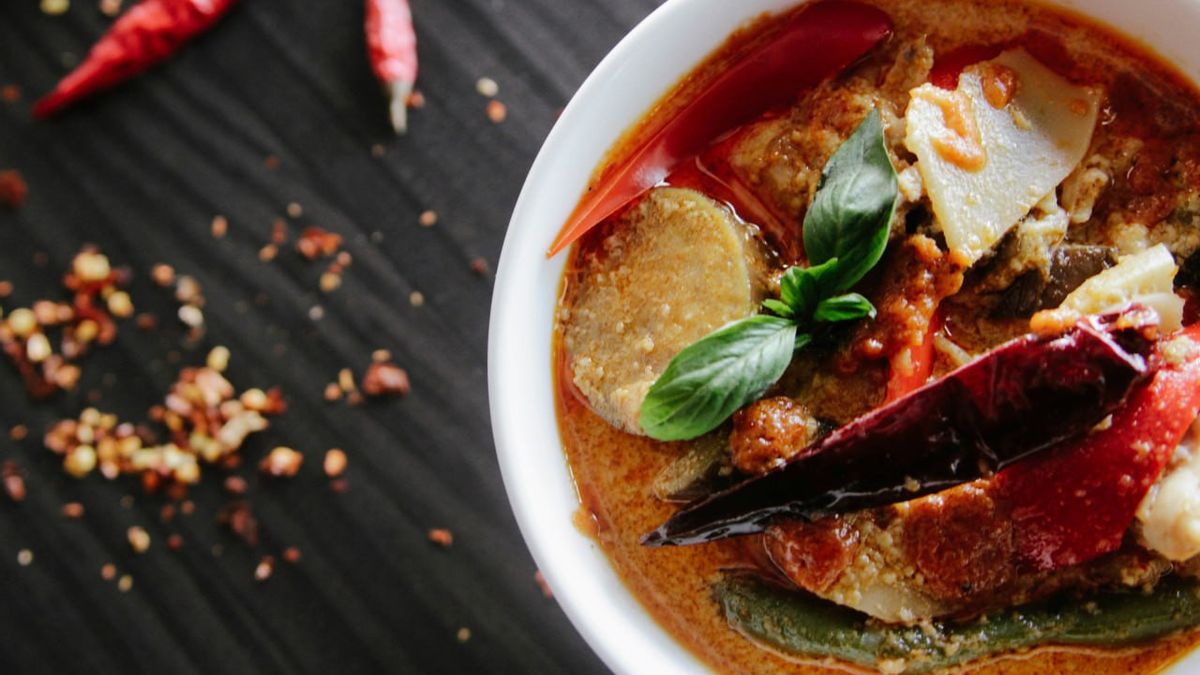


YOGYAKARTA - For many Indonesians, eating feels incomplete without the presence of spicy food on the table. Even during the fasting month, sambal is often the main complement that makes the dish taste more delicious. However, the stomach is in an empty state and is more sensitive to food that comes in after fasting for about 12-14 hours.
One of the things that need to be limited is spicy food. Chili contains capsaicin compounds that if consumed excessively on an empty stomach can trigger various health disorders. Then, what are the effects on the body? Watch the following explanation so that you can be wiser in choosing the fasting menu.
7 Dangers of Eating Too Spicy During Breaking FastQuoted from various sources, the following are 7 dangers of eating too spicy during the fasting month that need to be aware of:
Triggering Stomach AcidAfter fasting all day, the stomach is in an empty state with relatively high levels of acid. When spicy food comes in, the stomach can react more sensitively than usual. This can trigger a burning or hot feeling in the stomach.
Capsaicin in chili is known to stimulate the production of stomach acid. In some people, this condition can cause heartburn or a burning sensation in the chest. This risk is greater for people with ulcers or GERD.
Causes stomach painBreaking the fast with spicy food can also cause stomach pain. The pain usually appears in the area between the ribs to the pelvis. The sensation can be in the form of pain or discomfort in the stomach.
This happens because capsaicin can irritate the walls of the stomach and intestines. In some people who have stomach ulcers, this condition can even last quite a long time.
Trigger DiarrheaAnother effect of eating spicy food on an empty stomach is diarrhea. Capsaicin can speed up the movement of the intestines so that the digestive process takes place faster than usual. As a result, the body does not have time to absorb fluids optimally.
Diarrhea symptoms are usually characterized by frequent bowel movements with a liquid stool texture. This condition is generally not dangerous, but can be very disturbing. Especially if it happens at night after breaking the fast.
Causes a headacheNot many people realize that spicy food can also trigger a headache. In some people, spicy food can be one of the triggers of migraines. The pain sensation usually feels throbbing in the head and is quite disturbing.
Migraine due to spicy food can last for several hours or longer to count days. This can be very disturbing during rest time after breaking the fast.
Disrupting Sleep QualitySpicy food can also affect the quality of sleep at night. The content of capsaicin can increase body temperature and speed up the heart rate. This condition makes it more difficult for the body to relax.
As a result, a person can experience difficulty sleeping or sleep becomes less restful. In fact, getting enough sleep is very important during Ramadan to maintain stamina the next day.
Causes DehydrationSpicy food can make the body sweat more. When sweating, the body loses fluids that should be used to maintain body balance. This condition can accelerate dehydration.
During fasting, the body actually has a lack of fluid. If added to the consumption of spicy food, the risk of dehydration can increase. This can cause the body to feel weak, dizzy, and tired easily.
Triggering Disturbances in the HeartSpicy food can also affect the cardiovascular system. Capsaicin can increase the heart rate and trigger a rise in blood pressure. This condition can trigger heart health disorders.
Therefore, for people who have a history of heart disease or high blood pressure, avoid breaking the fast with spicy food.
So that fasting remains comfortable, choose foods that are more friendly to digestion when breaking the fast. By avoiding eating too spicy when breaking the fast, the body can adapt gradually after fasting for a day.
In addition to the discussion above, follow other interesting articles at VOI.ID. So as not to miss the latest news, follow and monitor our social media accounts!
The English, Chinese, Japanese, Arabic, and French versions are automatically generated by the AI. So there may still be inaccuracies in translating, please always see Indonesian as our main language. (system supported by DigitalSiber.id)


