
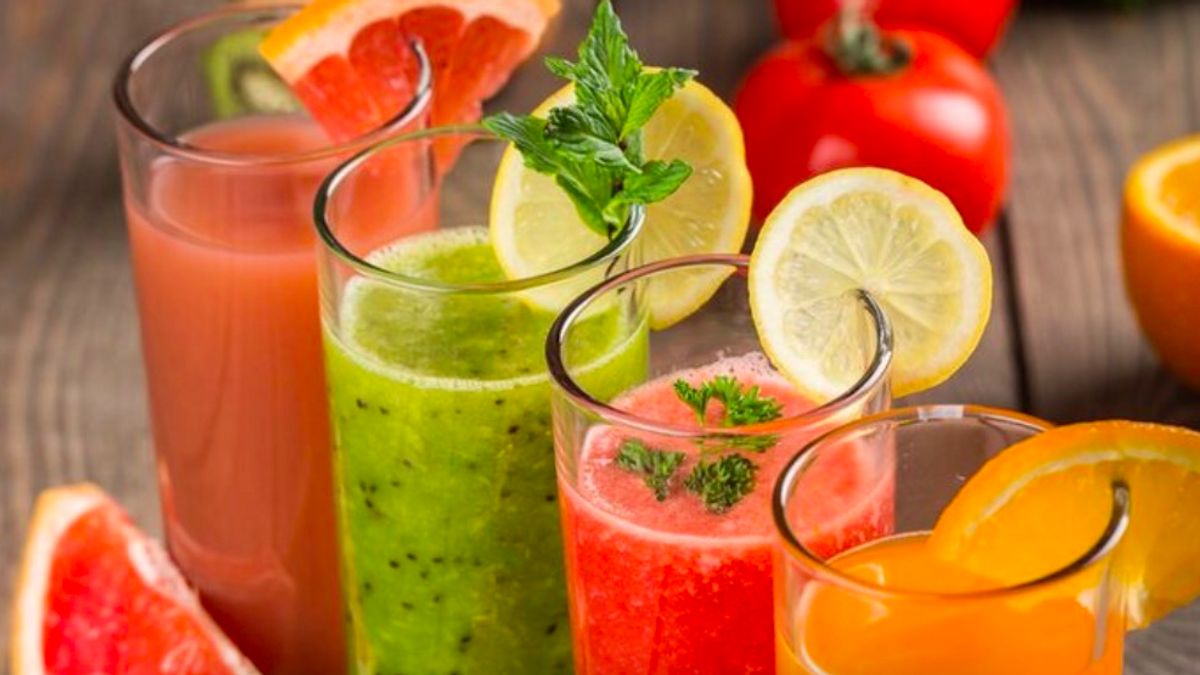


JAKARTA - During the month of Ramadan, sweet drinks are almost always present at the breaking of the fast. Many people choose iced syrup, sweet tea, or various juices because they are considered able to restore energy quickly after fasting and thirst. Even so, the habit of consuming sugar excessively without control can actually have a negative impact on health.
Professor of Food Nutrition at IPB University and human nutrition expert, Prof Budi Setiawan explained that when breaking the fast, people tend to look for sweet foods and drinks. This is inseparable from the condition of the body which experiences a decrease in blood sugar levels after fasting all day.
"In addition to being a source of energy, the tendency to consume sweet foods or drinks during breaking the fast is aimed at immediately restoring blood sugar levels that decrease during fasting," said Budi Setiawan, Professor of Nutritional Sciences at IPB University, quoted from the official website of IPB University.
According to him, sweet foods and drinks can also bring a sense of satisfaction and happiness. This condition occurs because the consumption of carbohydrates and sugar can increase the production of the hormone serotonin in the body.
However, Prof Budi reminded that sugar still needs to be limited. In the concept of a balanced nutritional pyramid, sugar is at the top, which means that consumption should not be excessive. Based on the recommendations for the consumption of sugar, salt, and fat (GGL), the daily limit of sugar intake is 50 grams or equivalent to four tablespoons.
"Any consumption if excessive is of course not good, so the guideline is balanced nutrition," he said.
He assessed that the habit of drinking excessive sweet drinks during Iftar and Sahur does not support the principle of balanced nutrition. Sweet drinks that make the stomach feel full quickly can reduce the portion of other nutritious foods, such as vegetables, fruits, and protein sources that the body actually needs more.
Too much sugar intake is also at risk of causing caries or tooth decay. In addition, excess energy from sugar can trigger weight gain. In the long run, this condition is certainly not good for health.
"For people with diabetes mellitus (DM), sugar levels must be maintained. Excess sugar consumption in the body in turn can increase triglyceride levels in the blood which is risky for people with heart disease. There can also be digestive disorders due to increased stomach acid," he explained.
Then, what about the juice for the fasting menu? Basically, juice can be a healthier choice than syrup drinks or drinks with high sugar content, provided that it is not added excessively.
Fruit or vegetable juice still contains vitamins and minerals that the body needs, although the fiber can be reduced compared to whole fruit.
As an alternative, Prof Budi also recommends natural drinks such as young coconut water. In addition, natural sweet fruits such as dates can be an option when breaking the fast, both fresh dates (ruthob) and dried dates.
"However, of course it should not be excessive, just one or three grains."
Thus, the juice for the fasting menu is actually safe to consume, as long as you still pay attention to the amount of sugar used and do not exceed the daily recommended limit. The key remains on the principle of balanced nutrition so that the body remains healthy and fit during fasting.
The English, Chinese, Japanese, Arabic, and French versions are automatically generated by the AI. So there may still be inaccuracies in translating, please always see Indonesian as our main language. (system supported by DigitalSiber.id)


