


JAKARTA - Chronic diseases can affect anyone, including children. One of the chronic diseases in children that often occurs is congenital heart disease (PJB).
The Chairperson of the Pediatric Cardiology and Congenital Heart Disease Working Group, dr. Oktavia Lilyasari, Sp.JP(K), said that in the treatment of chronic diseases in children such as PJB requires a large cost and a long time.
Not only that, the number of experts and health centers that can handle PJB is still rare. The referral hospital that can treat the disease is currently the Harapan Kita Heart and Vascular Hospital, Harapan kita RSAB, and Dharmais Cancer Hospital.
"Children's heart disease doctors are still very rare. The centers that can work on congenital heart disease are also still limited," said dr. Oktavia, in the Kemanggisan area, Jakarta, on Tuesday, February 10, 2026.
Thus, children's patients from out of town need more costs to undergo treatment. This is one of them because the accompanying family needs a temporary place to stay.
"PJB is a serious disease in children that requires long-term and ongoing treatment. It is estimated that there are around 45 thousand babies born every year with PJB, and around 91 percent of them come from outside Java Island," he explained.
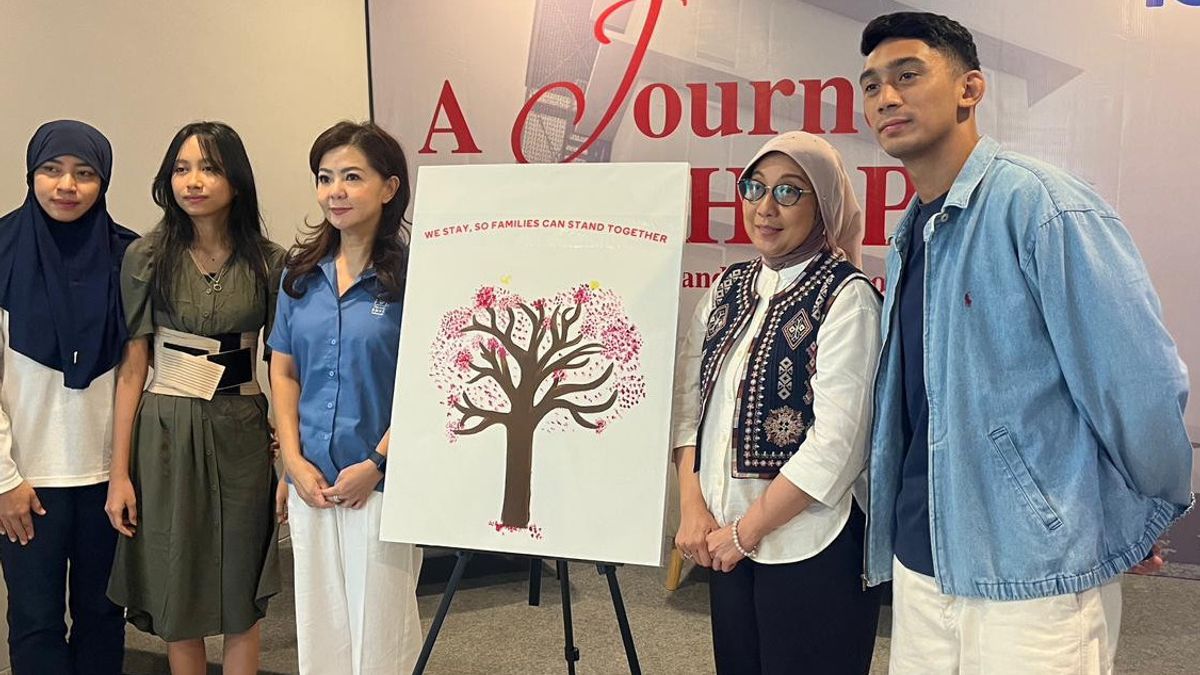
In this condition, the presence of a shelter for families of children with chronic diseases is very needed. Seeing this condition, the Ronald McDonald House Charities Foundation (Yayasan RMHC) presents the fourth shelter located in Kemanggisan, West Jakarta.
The Kemanggisan Shelter House has a capacity of 66 rooms, and is the largest shelter managed by the RMHC Foundation. The presence of this shelter is a form of effort to support families of children with chronic diseases, especially those diagnosed with PJB.
"Many families from outside the region still face major challenges related to housing and living costs. This is why the role of the shelter facility from the RMHC Foundation is very important in supporting the success of therapy," added dr. Oktavia.
Meanwhile, the Kemanggisan Shelter consists of a four-story building with facilities such as bedrooms, shared kitchens and dining areas, children's play areas, family rooms, study rooms, worship areas, and psychosocial support services in a child-friendly and environmentally friendly environment.
Each room is intended for one family to maintain privacy and security, and all services are provided free of charge so that families can focus on the healing process.
"Through collaboration with PERKI, we want to ensure that patient families not only get temporary shelter, but also a safe space that provides emotional support," concluded the Chairman of the RMCH Foundation, Caroline Djajadiningrat.
The English, Chinese, Japanese, Arabic, and French versions are automatically generated by the AI. So there may still be inaccuracies in translating, please always see Indonesian as our main language. (system supported by DigitalSiber.id)
Most Popular Tags
#Prabowo Subianto #donald trump #firearm #8791 #giias 2026Popular


