
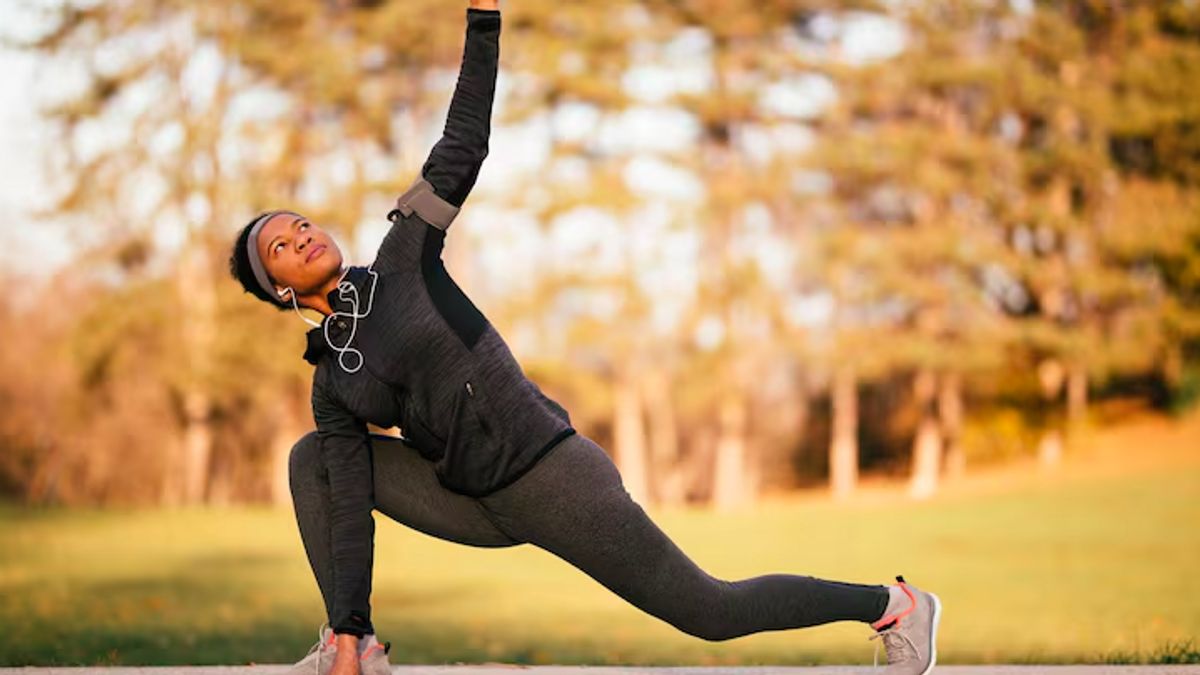


JAKARTA - Keeping the brain young is not only related to memory or thinking ability, but also directly related to the biological health of the brain itself.
As we age, the structure and function of the brain can naturally decline. However, various studies show that an active lifestyle, especially regular exercise, plays a big role in slowing down the aging process of the brain and keeping its performance optimal.
The latest findings from a team of researchers from the AdventHealth Research Institute in conjunction with the University of Pittsburgh reveal that physical activity can make the brain age appear younger biologically.
This research highlights how exercise contributes to real changes in brain structure that can be detected through medical scans.
The study aimed to see if exercise could affect the physical structure of the brain and whether changes could be observed through scanning results, as reported by Eating Well on Tuesday, January 27, local time.
To answer this question, the researchers involved 130 healthy adults aged 26 to 58 years in a single randomized, double-blind clinical trial lasting 12 months.
Participants were randomly divided into two groups, namely a group that underwent aerobic exercise with moderate to heavy intensity and a control group that was asked to maintain the level of physical activity as usual without changes.
The exercise group followed two 60-minute monitored exercise sessions each week in the laboratory, and added self-administered exercises at home to reach about 150 minutes of aerobic activity per week.
The types of activities carried out are also diverse, ranging from walking, jogging, and running on treadmills, to using static bicycles, elliptical machines, or rowing machines. During the study, exercise intensity was monitored using a heart rate monitor.
At the beginning and end of the study, the participants' brain structure was analyzed through MRI scans. In addition, their cardiorespiratory fitness levels were measured using a peak oxygen uptake test or VO2peak. The researchers then used a machine learning tool called brainageR to calculate the difference between the predicted brain age and chronological age, known as brain-PAD.
The results of the study, published in the Journal of Sport and Health Science, showed a fairly clear difference between the two groups after 12 months.
Participants who regularly exercise experience a decrease in biological brain age, with an average brain appearance about 0.6 years younger than the initial condition of the study.
In contrast, the control group actually showed a tendency to increase the age of the brain by about 0.35 years, although this change was not statistically significant.
When the two groups were compared directly, there was a difference of almost a year in favor of the sports group. In addition, this group also experienced a significant increase in physical fitness. Researchers also found that better fitness levels from the start of the study were associated with a younger-looking brain age.
However, this study has a number of limitations. The study subjects come from a group of volunteers who are relatively healthy and educated, with a limited sample size.
The COVID-19 pandemic situation also affected the course of the study, because some participants had to continue the exercise program from home during the activity restriction period.
The researchers also traced a number of factors that might explain the effects of exercise on brain age, such as changes in physical fitness, body composition, blood pressure, and brain protein levels BDNF. However, none of these factors fully explain the effects found.
Senior author and neurologist Kirk I. Erickson, Ph.D., added that exercising for 150 minutes per week and engaging in moderate to vigorous aerobic activity can help keep the brain biologically younger even in old age.
Starting early in your 30s, 40s, and 50s can provide greater benefits over time by giving your brain an advantage in fighting aging.
If you haven't met the 150-minute per week recommendation, don't worry. Try adding short walks throughout the day, using the stairs instead of the elevator, or scheduling a few sessions at the gym every week. Activities that can be tried include brisk walking, cycling, swimming, and dancing consistently.
The English, Chinese, Japanese, Arabic, and French versions are automatically generated by the AI. So there may still be inaccuracies in translating, please always see Indonesian as our main language. (system supported by DigitalSiber.id)


