
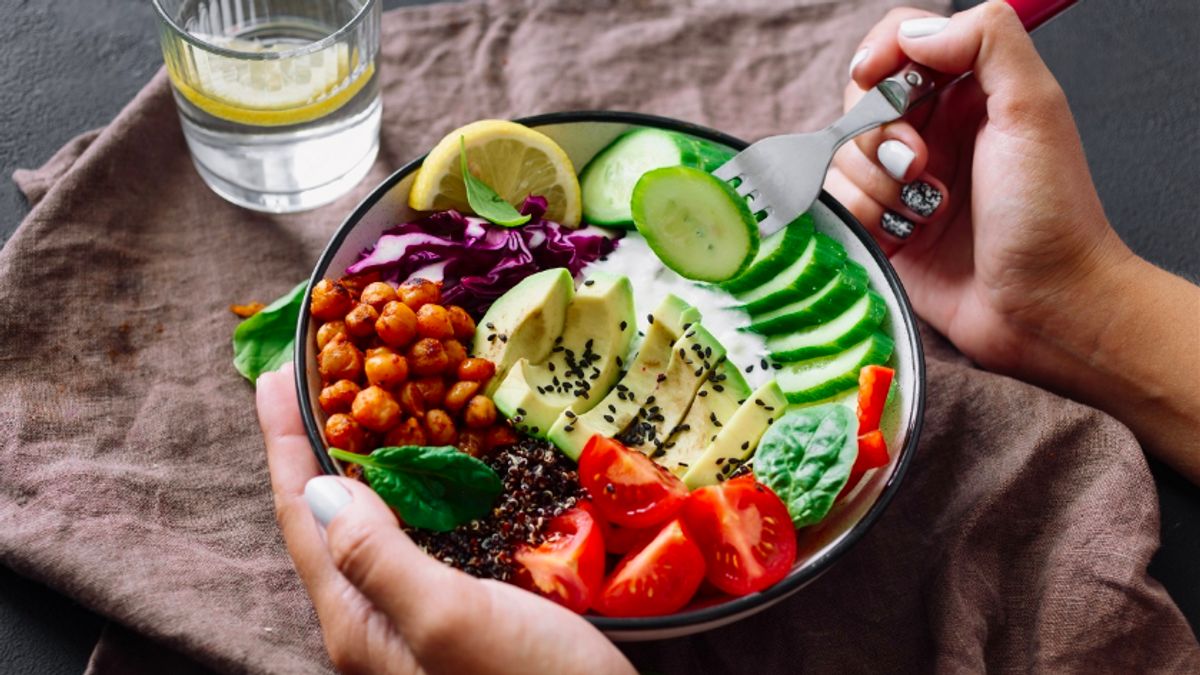


JAKARTA - Child nutrition does not always have to depend on cow's milk. Indonesia has a variety of local foods that are rich in protein and calcium and are easily accessible to the community.
With the right processing and combination, these local food ingredients are able to support optimal child growth and development.
Nutritionist from the National Central General Hospital dr. Cipto Mangunkusumo (RSCM) Jakarta, Mita Arini, S.Gz, said that children's protein and calcium needs can be met from various local food sources.
"Indonesia's local food sources are very rich to meet children's protein and calcium needs without having to rely on cow's milk," Mita told ANTARA in Jakarta.
He explained that a number of food ingredients such as tempeh, tofu, chicken eggs, chicken meat, various types of nuts, as well as local fish such as pufferfish, catfish, and teri are good sources of protein for children.
In addition to protein, these foods also contain calcium, vitamins, and various micronutrients that the body needs. This intake plays an important role in supporting growth and maintaining the health of children's bones and body tissues.
Not only from vegetables, calcium can also be obtained from green vegetables. Mita mentioned the leaves of katuk, spinach, and broccoli as examples of vegetables that can be used as an alternative source of calcium.
As a substitute for cow's milk, he added that soy milk that has been enriched with nutrients can be one of the choices. In terms of protein content, every 100 milliliters of fresh cow's milk contains about 3.2 grams of protein, while soy milk is about 3.5 grams. Unlike almond milk which only contains about 0.6 grams of protein, it is not appropriate to be the main source of protein.
"It should be remembered that protein from animal sources has a more complete amino acid than plant protein, so it is very good for supporting children's growth," said Mita.
However, he reminded parents to still pay attention to the possibility of allergies in children when choosing sources of protein and calcium substitutes for cow's milk.
Allergic reactions can be characterized by the appearance of a red rash, itching, hives, vomiting, diarrhea, bloating, and respiratory symptoms such as coughing or shortness of breath after eating certain foods.
"In some children, swelling on the lips or eyelids can also occur and excessive fussiness," said Mita.
Furthermore, Mita emphasized the importance of applying a balanced nutritious diet according to the Isi Piringku guidelines from the Ministry of Health in meeting the daily nutritional needs of children.
The guidelines regulate the balance between staple foods as sources of carbohydrates, side dishes as sources of protein, vegetables as sources of vitamins and minerals, and fruits.
"With this combination of local food, children's nutritional needs can still be optimally met," said Mita.
The English, Chinese, Japanese, Arabic, and French versions are automatically generated by the AI. So there may still be inaccuracies in translating, please always see Indonesian as our main language. (system supported by DigitalSiber.id)


