
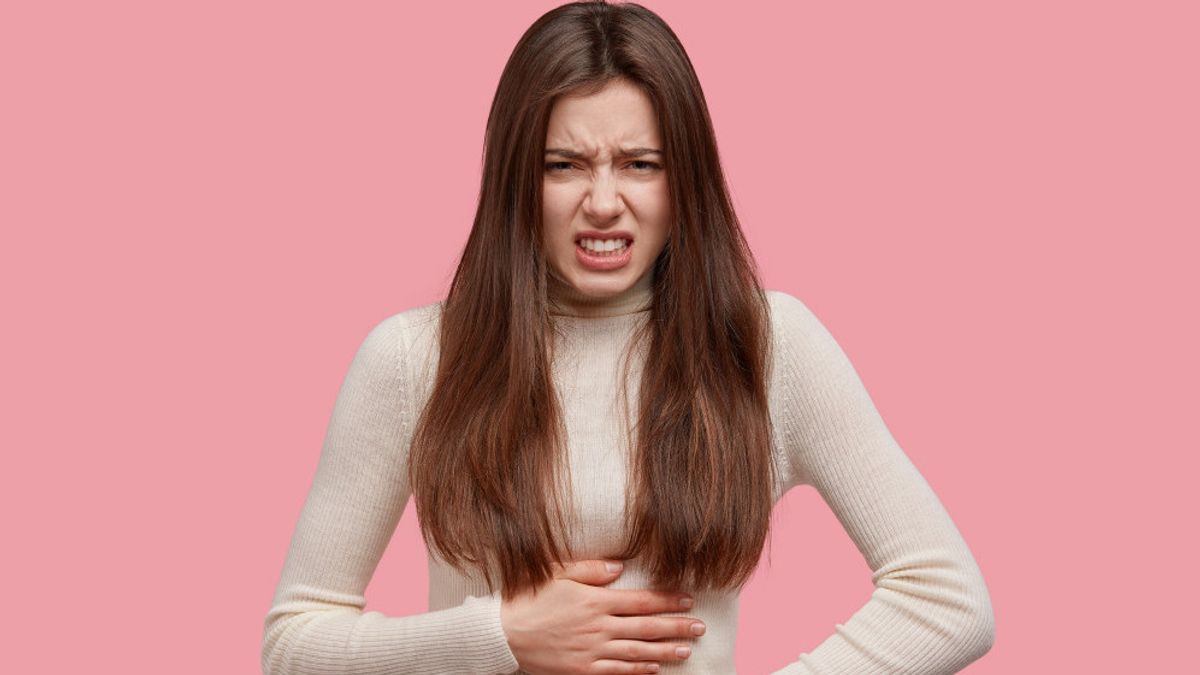


YOGYAKARTA - While you are experiencing diarrhea, your digestive condition tends to be more sensitive so that what you eat can have a major impact on recovery. The right choice of food can help relieve symptoms, while the wrong food can actually worsen conditions. Some types of food and drinks that you should avoid so that the digestive recovery process runs more smoothly, here's the list.
Milk products and dairy preparations often contain lactose, a natural type of sugar that is usually digested by lactice enzymes in the body. When you are diarrhea, lactase enzymes can decrease so that lactose processing becomes more difficult, which can trigger more diarrhea, gas, nausea, and bloating.
Milk products include cow's milk, soft cheese, ice cream, yogurt full of fat, or other dairy products should be avoided first. Even if you don't have previous lactose intolerance, diarrheaal conditions can make your intestines while having difficulty digesting lactose. You can consider non-smoking alternatives such as plant-based milk or low-size yogurt during the recovery period.
High fatty foods and fried foods can worsen diarrhea because fat is difficult to digest properly in the condition of the disordered intestines. Launching Verywell Health, Tuesday, November 4, unexplored fats will enter the large intestine and break into fatty acids that can trigger additional fluid secretions and increase movement of the intestines or perustaltics. As a result, diarrhea can get worse or prolonged. You are advised to avoid fast food, processed fatty meat, full foods of heavy butter or coconut milk. During recovery, choose lighter proteins such as fatless meat, fish, tofu, or eggs so that the digestive system is not too burdened.
Some artificial sweeteners such as sorbitol, xylitol, mannitol, maltitoll, and others can have an effective effect, meaning they can pull water into the intestines or speed up the movement of the intestines. If you eat food or beverage products without sugar that use this type of sweetener, it can trigger more severe diarrhea or cause gas and bloating. Even substitute sugar in a dietary drink or 'safe' sugar-free candy can worsen your condition.
During recovery, you should avoid all drinks or foods that use artificial sweeteners. Alternatively, choosing a natural sweetener or not using sweetener can at all help your digestive system rest.
Some fruits, vegetables, and nuts contain certain high fiber or carbohydrates that are easily fermented by bacteria in the intestines, thus producing gas. Excessive gas production can worsen the bloating stomach and discomfort, especially when diarrhea is active.
Examples of foods that have the potential to cause gas include nuts, cabbage, broccoli, cabbage, onions, certain fruits such as apples or pyrks, and soybeans. For recovery, it is best to avoid foods that are known to trigger gas until the gut condition stabilizes again.
Acid or very spicy foods can irritate the stomach and intestine layers, especially when the digestive system is stimulated by diarrhea. Compounds such as capsaicin on chilies and spicy spices can speed up the movement of the intestines and increase the contraction of the intestines, thereby exacerminating your diarrhea. Black tomatoes, citrus fruit, spicy sauce, chili sauce or strong spice should be temporarily avoided. Acid foods can also exacerbate the discomfort in your stomach or intestines that are being transmitted. It's better to wait until your intestines recover, then slowly try foods with stronger flavors gradually.
SEE ALSO:
-
 | LIFESTYLE
Mengenal Sindrom Iritasi Usus Besar, Gangguan Sistem Pencernaan yang Bersifat Kronis
22 Oktober 2025, 07:55 -
 | INFO SEHAT
Jangan Anggap Sepele! Ini Efek Jangka Panjang Keracunan Makanan pada Tubuh
13 Oktober 2025, 23:25 -
 | INFO SEHAT
Sering Kentut Tanda Penyakit Apa? Jangan Anggap Sepele Penyebabnya
08 Oktober 2025, 10:55


Caffeins, such as in coffee, black tea, as well as energy drinks, can increase the movement of perictaltics on the intestines and have a diuretic effect, which can exacerbate diarrhea and cause dehydration. In addition, carbonated beverages such as soda can also cause gas due to dilute carbon dioxide, which is released as gas in the stomach and intestines, adding to discomfort and bloating. Alcoholic quantities can also irritate the intestinal lining and accelerate intestinal motility, exacerbate diarrhea and risk of dehydration. Therefore, it is better to temporarily avoid all types of drinks caffeinated, insoda, or contain alcohol until your condition improves. Focus on calming fluids and hydrating your body such as water, herbal tea without caffeine, or electrolyte solutions when needed.
Understanding the types of foods and drinks that are avoided during diarrhea is very important so that you can speed up recovery and reduce discomfort. Once the symptoms begin to subside, you can slowly reintroduce heavier foods or a gradual strong taste. Always listen to your body's response and consult with medical personnel if the diarrhea lasts a long time or is accompanied by serious symptoms. Hopefully you will recover quickly and return to your daily activities comfortably.
The English, Chinese, Japanese, Arabic, and French versions are automatically generated by the AI. So there may still be inaccuracies in translating, please always see Indonesian as our main language. (system supported by DigitalSiber.id)


