


YOGYAKARTA - Many people want to change, for example quitting smoking, reducing access to social media, or eating healthier. But often efforts to live a healthier lifestyle fail in the middle of the road. The reason is simple, our brains don't like to lose old habits just like that. Instead of just focusing on stopping, it's wiser if you replace it with something better. This process is not only a matter of discipline, but also about understanding the needs behind the habit. So to be healthier here are tips for living it without drama.
Before changing habits, first identify what makes it form. Do you snack because of stress? Or play on your phone because you're bored? By knowing emotions that encourage you to do this so that it becomes a habit, you can select your successor more healthily. Healthy here, meaning habits that have no negative impact on your life. Both in the emotional aspect, mood, as well as mental and physical health.
The brain likes rewards, launching Psychology Today, Monday, October 20. So, if you quit your old habits without a satisfactory substitute, the brain will demand that it come back. For example, if you stop scrolling through social media at night, change it by reading a lightweight book or writing a journal. The key is to maintain a pleasant sensation, but in a healthier form.
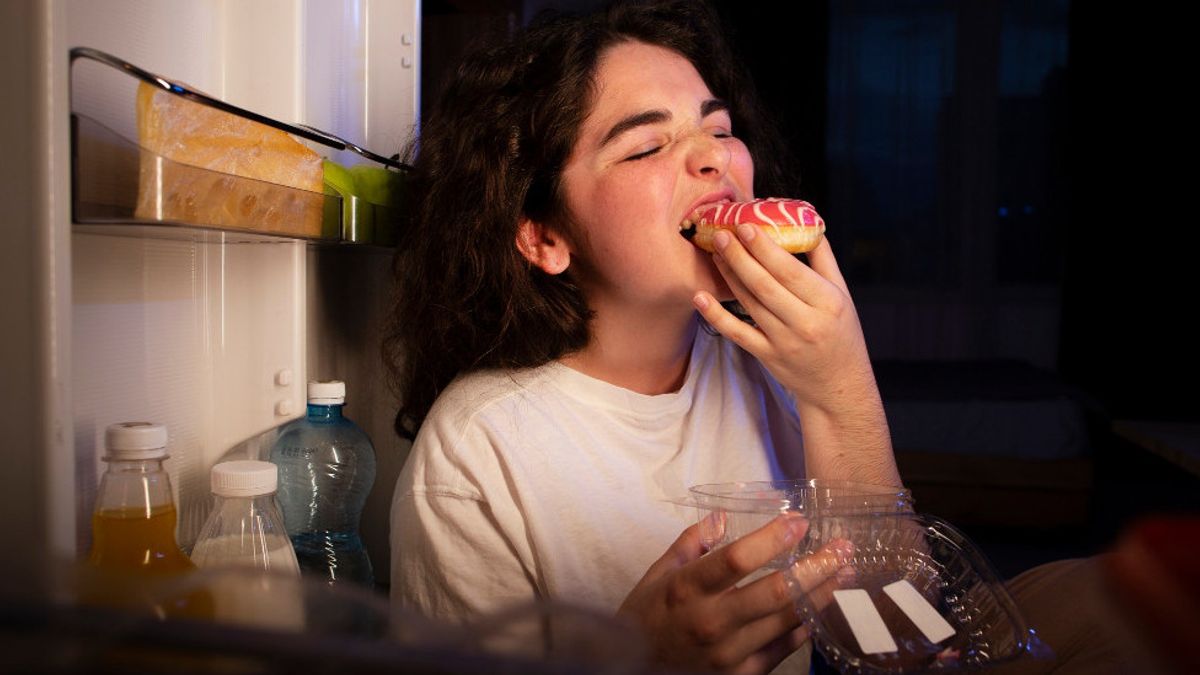
The environment greatly affects habits. You will find it difficult to stop eating junk food if the kitchen cabinet is still full of instant snacks. So, make small changes, such as replacing the refrigerator contents with fruit. Or tuning sports shoes in places that are easily visible. It can also start by activating digital reminders for rest time. With an environment that is in line with the goal, new habits are easier to grow.
Habits often appear in response to certain emotions. That is, anxiety, fatigue, or loneliness need to be understood as a response to certain events that you experience. Instead of fighting those emotions, try to understand them. When stress arises, take a deep breath and ask yourself what you really need. Maybe not third coffee or TikTok scroll, but five minutes of rest or talk to friends.
Big changes often fail because they feel heavy. Try to change the approach by considering making changes one percent but sustainable every day. If you want to start exercising, start with a 10 minute stretch every morning. If you want to reduce sugar, reduce half a teaspoon every day. Small consistency gives the brain time to adapt without feeling lost.
SEE ALSO:
-
 | INFO SEHAT
Bukan Sekadar Pelepas Dahaga, Es Jeruk Jadi Sumber Energi dan Tingkatkan Imun
20 Oktober 2025, 13:25 -
 | INFO SEHAT
Santap Sehat, Hidup Nikmat: Rahasia Pola Makan Cerdas ala Gaya Hidup Modern
15 Oktober 2025, 16:46 -
 | INFO SEHAT
Susah Tidur Malam Gejala Penyakit Apa? Ini 4 Kondisi Medis yang Jadi Pemicunya
15 Oktober 2025, 20:55 -
 | LIFESTYLE
Jangan Salah Paham, Ini Arti dan 7 Tanda Princess Treatment yang Sehat
13 Oktober 2025, 21:47

You don't have to do it alone. Tell your intention to change to someone closest to you, or find a community for a similar purpose. Social support makes you more motivated and responsible. Sometimes, one encouraging message from a friend can be enough to prevent you from returning to old habits.
Every small step deserves appreciation. Give self-appreciation when successful consistently for a week, either by eating your favorite or relaxing time. By giving a small reward, the brain will associate these changes with positive things, making new habits easier to survive.
Of course changing old habits doesn't mean you have to fight yourself. But positive changes need to be understood as giving a new direction to the same energy. When you focus on what you want to build, not just what you want to stop, the process of change will feel more natural and enjoyable.
The English, Chinese, Japanese, Arabic, and French versions are automatically generated by the AI. So there may still be inaccuracies in translating, please always see Indonesian as our main language. (system supported by DigitalSiber.id)
Most Popular Tags
#Prabowo Subianto #donald trump #2026 World Cup #Febrie Adriansyah #8791Popular


