

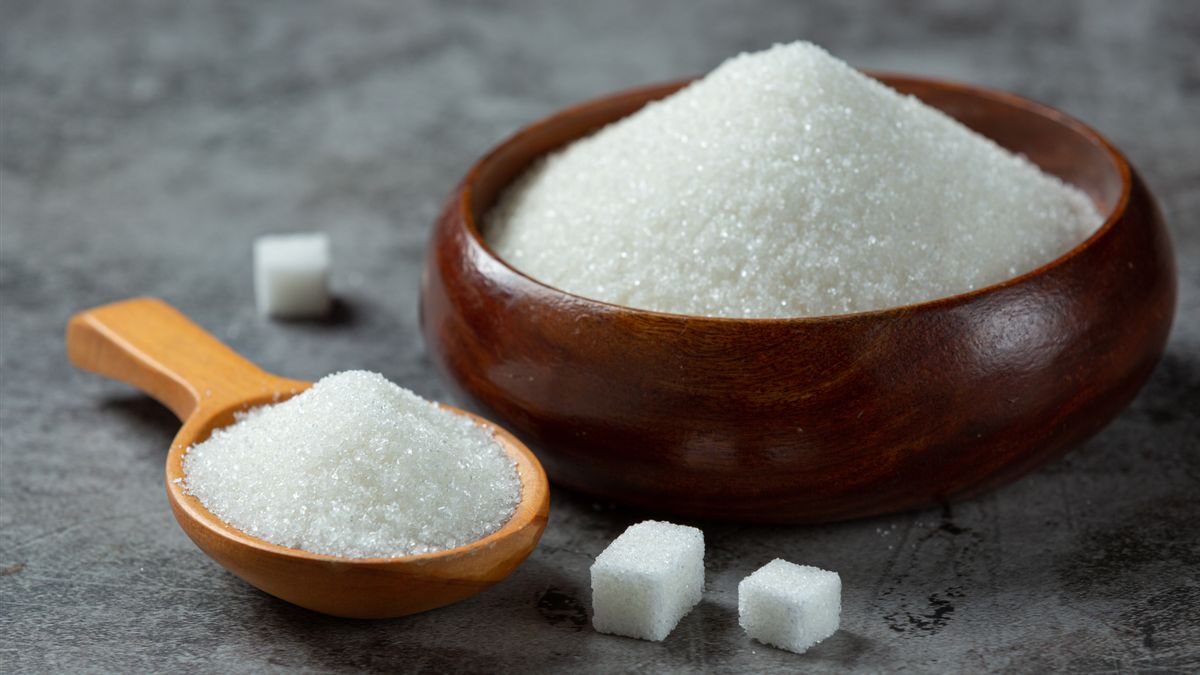


JAKARTA - Many people are now starting to leave sugar because they are worried about its impact on health. Sugar can indeed provide fast energy, but if consumed excessively.
The risk is quite serious from weight gain, diabetes, to heart disease. Instead, natural sweeteners like stevia are starting to get popular. But is it true that stevia is really healthier than ordinary sugar?
Reporting from the Cleveland Clinic page on Saturday, November 11, 2025, stevia is a natural sweetener that comes from the leaf of the Stevia rebaudiiana plant, a plant that has long been used by people in South America to give sweet tastes to food and drink.
The main content that makes stevia taste sweet is steviol glycosida, a natural substance that can be felt 200 to 400 times sweeter than sugar. This means you only need a little to get the same sweet taste.
SEE ALSO:
-
 | KESEHATAN
Penyakit Jantung Rematik: Penyebab, Gejala, Diagnosis, dan Pengobatannya
11 Oktober 2025, 09:49 -
 | INFO SEHAT
Jangan Anggap Remeh, Dokter Ungkap Bau Mulut Jadi Sinyal Awal Penyakit Jantung
11 Oktober 2025, 09:40 -
 | INFO SEHAT
Di Balik Kasus Ammar Zoni, Kenapa Kecanduan Narkoba Sulit Dihentikan?
11 Oktober 2025, 09:03 -
 | INFO SEHAT
Regulasi Lemah, Iklan Kental Manis Masih Ancam Kesehatan Anak Indonesia
11 Oktober 2025, 08:32
Stevia is now widely sold in the form of powder, liquid, or fine grains. One of the main reasons people switch to stevia is because it does not contain calories or carbohydrates.
So this sweetener does not significantly increase blood sugar levels. This makes stevia a popular choice for diabetics or undergo a low- sugar diet.
In addition, in contrast to artificial sugars such as aspartam or sukralosa, stevia is considered more natural because it comes from plants and goes through a relatively simple extraction process.
Stevia has been approved by the United States Food and Drug Administration (FDA) since 2008 as a safe-to-eat sweetener (GRAS Generally Recognized as Safe), provided it is in the form of a minimal 95% pure extract.
But it's important to remember, not all products labeled 'stevia' contain 100% stevia. Many mix it with other ingredients such as maltodedekstrins or erytritol so that it feels softer and easier to use. So always check the packaging label before buying.
The safe limit for consumption of stevia is called Acceptable Daily Intake (ADI), which is about 4 mg per kilogram of body weight per day. This means that adults on average need to consume dozens of sachets of stevia in a day to reach that limit, a very difficult amount to do. In other words, stevia's fair use is safe for the body.
Some studies show that stevia is not only safe, but also has potential health benefits, including:
1. Help control blood sugar levels
Stevia does not cause a spike in glucose like regular sugar, making it suitable for people with type 2 diabetes.
2. Maintain weight
Because it does not contain calories, stevia can help reduce daily calorie intake without sacrificing sweet tastes.
3. Antioxidant and anti-inflammatory effects
Several studies found that stevia has compounds that can fight free radicals and help reduce inflammation in the body.
4. Maintain mouth health
Unlike sugar, stevia does not cause tooth damage or triggers the growth of plaque-causing bacteria.
While safe, stevia should still be consumed wisely. Some people may experience mild effects such as bloating, nausea, or bitter taste in the mouth, especially if they consume too much.
In addition, there are still studies investigating the possibility of stevia affecting certain hormones, although there is no strong evidence that shows negative effects on humans.
Tips Using Stevia
It tastes much sweeter than sugar, you can't replace sugar and stevia with the same dose. Use a special recipe that includes the dose of stevia, especially when making cakes or desserts so that the texture and taste stay right. Some ideas for using stevia:
- Mix into coffee or tea.
- Add to fruit smoothies.
- Use it in dessert recipes such as banana seasoning or low-calorie roast apples.
The English, Chinese, Japanese, Arabic, and French versions are automatically generated by the AI. So there may still be inaccuracies in translating, please always see Indonesian as our main language. (system supported by DigitalSiber.id)
Most Popular Tags
#Prabowo Subianto #donald trump #2026 World Cup #Febrie Adriansyah #8791Popular


