
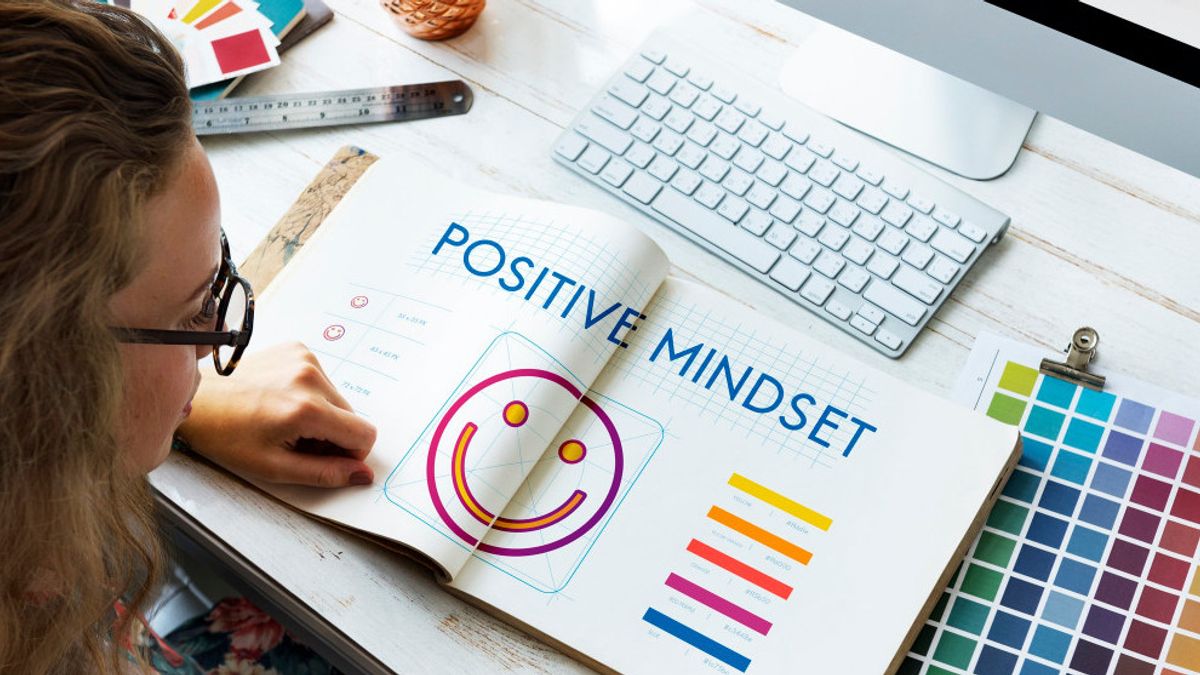


YOGYAKARTA Having positive thoughts often sounds like simple advice. However, the latest research reveals that positive habits such as gratitude and optimism can change the way the brain works. Not only temporary, but in the long term.
The human brain is evolutionally more sensitive to danger than positive potential because this is a form of basic protection. However, when a person consistently experiences positive emotions, brain structure and chemistry can change in a healthier direction. For example, neurotransmitters such as dopamine, serotonin, and oxytocin increase when we do good, grateful, or interact positively with others, explained the clinical director of the Neurology Learning and Behavior Center at the University of Utah School of Medicine, Sam Goldstein, Ph.D.
The ability of the brain to adapt and form new pathways, or called neuroplasticity, allows optimism to become a habit. That is, although a person is used to thinking negatively, practices such as changing perspectives (cognitive reframing), meditation, or writing journals of gratitude can regularly strengthen neural pathways that support healthier emotional responses.
Interestingly, stress reduction is one of the effects of positive thinking. The chronic stress condition increases the hormone cortisol which if left can damage important brain areas such as hippocampus and prefrontal cortex. Positive emotions act as bantal, helping to reduce the negative effects of stress and improve memory and focus.
One of the main benefits of positive thinking is increasing emotional resilience. This is the ability to bounce back after experiencing failure or pressure. When the brain is used to being filled with positive thoughts, endurance to stress and difficulty becomes stronger. In addition, positive thinking can also improve mood swings and reduce symptoms of depression or anxiety. Launching Psychology Today, Monday, September 22, gratitude is reported to regularly improve mood and make sleep better, as well as reduce overall stress levels.
Not only psychological effects, physical positive effects can also be obtained. Because positive thoughts help reduce cortisols and increase brain activity, parts that regulate emotions and motivation, blood pressure can be more stable, the immune system becomes better, and the risk of stress-related diseases can also be reduced. Here are practical ways that can be done every day to think positively.
Write at least three things that are grateful for every day. This habit is proven to increase the level of serotonin and strengthen the neural pathway for optimism.
Sitting still for a moment, focusing on breathing, observe feelings that arise without judging. This short but consistent practice can reduce the activity of the brain that triggers anxiety and improve emotional settings.
Physical activity releases endorphins and dopamines, which directly impacts mood. No need to be heavy, just walking, cycling, or other light activities can be very helpful.
Helping others or doing something positive for people around you triggers oxytocin and dopamine. It's important to understand, doing good makes you feel more connected and emotionally satisfied.
Whenever a negative thought arises, try to shift it to a more helpful perspective. For example, instead of thinking 'I failed,' it can be changed to an experience that teaches something.' This technique is part of cognitive behavioral therapy that has proven to be much effective.
SEE ALSO:
-
 | INFO SEHAT
Tips Membangun Narasi Diri Positif Supaya Hidup Lebih ringan dan Bermakna
12 September 2025, 14:47 -
 | INFO SEHAT
Bingung Atasi Stres? Kenali Tren Self Therapy sebagai Solusi Menenangkan Diri
18 September 2025, 11:56 -
 | LIFESTYLE
Bosan dengan Rutinitas? Ketahui 7 Ciri Kepribadian Orang yang Suka Bertualang
29 Agustus 2025, 11:55


Positive thinking is not just a motivation that is popular on social media. Having a positive mind is a real brain activity with scientific evidence to support it. Through the practice of gratitude, optimism, meditation, exercise, and kindness, the benefits are not only emotional, but also physical and mental in the long term.
The English, Chinese, Japanese, Arabic, and French versions are automatically generated by the AI. So there may still be inaccuracies in translating, please always see Indonesian as our main language. (system supported by DigitalSiber.id)
Most Popular Tags
#Prabowo Subianto #donald trump #firearm #8791 #giias 2026Popular


