


JAKARTA - Air purifiers are now common equipment in homes, especially in the United States. About one in four people own this air sanitizer. This tool is promoted as a solution to clean the indoor air from harmful substances such as viruses, bacteria, and other pollutants.
However, a recent study of the University of Colorado Medical Campus Anschutz raised concerns about its safety and effectiveness. After reviewing nearly 700 studies of air sanitizer technology, researchers found that most of the research was done in vacancies or in animals. Rather than humans, which highlights significant gaps in evidence in the real world.
Limited human testing raises security concerns
The researchers, reported from the Times of India page, Tuesday, September 9, found that only eight percent of studies tested air cleaners in humans, while more than 90 percent evaluated devices in uninhabited laboratories or environments. Many studies usedbags, mice, or air samples to determine whether air cleaners were reducing particles or microbes in the air. Although these controlled experiments could indicate potential effectiveness, the experiment did not reveal its true impact on human health, including possible exposure to toxic side products.
Potential Production Of Hazardous Substances
Air purifiers, especially those using ionization technology, can produce harmful substances such as ozone and formaldehyde. These substances pose a risk to respiratory health, and if exposed in the long term, can cause irritation or even damage to lung tissue.
Trial In A Minimal Real-World Condition
The study also highlights that most tools have not been tested in real-world environments, such as in real homes. On the other hand, many claims are accepted based on lab conditions that do not describe daily use.
Between Promotion Claims And Scientific Evidence
Frequently, the features highlighted by manufacturers prioritize marketing attraction over scientific bases. As a result, consumers may buy with great expectations, but do not get the appropriate benefits or are potentially dangerous.
SEE ALSO:
-
 | TEKNOLOGI
Mengenal Cara Kerja Air Purifier untuk Polusi Udara, Manfaat, dan Tipsnya
18 Agustus 2023, 15:05
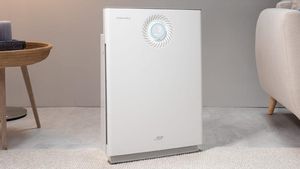
Be Wise In Choosing Types Of Filters
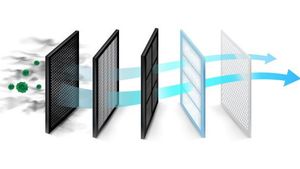
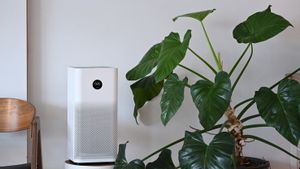
Prioritize air purifiers with mechanical filters (such as HEPA) that are generally recognized to be safer. Avoid ionizer models that are at risk of producing harmful ozone.
Pay Attention to Specifications and Certifications
Find information about filter efficiency, replacement frequency, and whether there is a safety certification related to ozone emissions or harmful materials.
Use Wisely And Adjust To Needs
If you have high risk conditions, such as respiratory diseases, make sure to choose a tool that is proven safe and effective, and use it according to instructions so that the benefits are maximized.
Overall, although air purifiers have the potential to help with indoor air quality, this study reminds you of the importance of choosing carefully and based on evidence, not just promotional claims.
The English, Chinese, Japanese, Arabic, and French versions are automatically generated by the AI. So there may still be inaccuracies in translating, please always see Indonesian as our main language. (system supported by DigitalSiber.id)


