
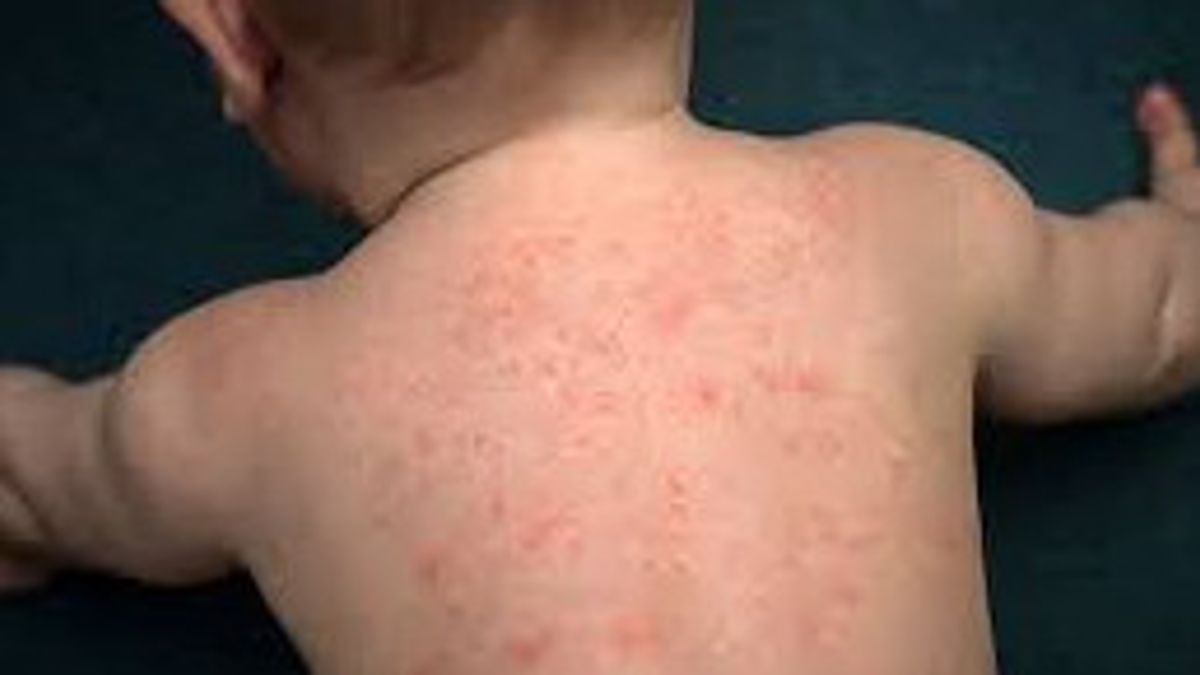


YOGYAKARTA - Baby skin is very smooth and sensitive so it is natural that skin problems often arise, one of which is red spots. Red spots in babies can look like a small rash or patch that causes discomfort.
This condition is generally harmless and can go away by itself, but there are times when red spots appear due to certain infections that require special attention. As parents, understanding the cause of red spots in babies is important so that the treatment is more appropriate.
Babies have still developing immune system so that small exposure from the environment, temperature, or even food can trigger reactions in the form of rashes or spots. If not immediately recognized, this condition can make babies fussy because of itching or sore. Here are some causes of red spots in the baby.
In addition to natural factors such as hot weather and skin irritation, red spots in babies can also be caused by allergic reactions, viral infections, and bacterial infections. By knowing the various causes, parents are ready to take simple preventive measures and care at home, as well as knowing when to immediately take their little one to a doctor. Here are 9 causes of red spots in the baby.
Dry seeds are a skin problem that often occurs in babies, especially when the weather is hot or moist. This condition arises because the pores of the sweat glands are clogged so that sweat cannot come out. As a result, small red spots appear on the baby's skin which sometimes stands out or melts small.
To overcome this, parents can keep the baby's body temperature cool by wearing cotton clothes that absorb sweat. If the baby has a sweat source, the compress of the area that is exposed to a cold wash or bath the baby with cold water if the sweat is quite wide. Usually, the cause of sweat will disappear in 2-3 days with simple care.
2. Ruam Popok
Raam diapers are skin irritation due to diapers that are used for too long, so that the baby's buttocks and genitals area becomes moist and is affected by friction. This condition usually appears in babies who start to MPASI because the frequency of defecation and BAK is more frequent.
Babies with diapers rashes are usually seen to have red spots, small spots, or excesses on the skin around the buttocks, thighs, and groin. The handling can regularly change diapers, apply creams that contain zinc, or allow babies without diapers for a while to recover the skin faster.
3. Biduran
Biduran or urtikara is a red rash in the form of a bentol that feels itchy and can move locations. This condition arises due to allergic reactions, both from food, medicine, insect shocks, as well as contact with certain ingredients.
Compressing a baby's skin with a cold wet cloth can help reduce itching. In addition, bathing a baby with water mixed with colloidal oathmeal can also calm the skin. If the singer lasts a long time, parents should consult a doctor.
4. Hand, Feet, and Mouth Diseases
Coxsackie virus infection can cause hand, leg, and mouth disease. Symptoms include fever, sneer, sore throat, and red spots appear on the hands, feet, or buttocks of the baby. This disease is contagious, especially through coughing, sneezing, or contact with used diapers.
Although they can recover on their own within 7-10 days, parents need to maintain cleanliness by regularly washing their hands before touching the baby. Sufficient rest and fluid administration are also very important to accelerate recovery.
5. Campak
This disease is highly contagious and is characterized by high fever, cough, runny nose, inflammation of the eye, and merag spots that spread on the baby's body. There is no special treatment for Measles, but treatment aims to reduce symptoms. Most Measles will recover by themselves if the baby's immune condition is good.
The provision of MR vaccines is the most effective preventive measure so that babies are protected from niche and rubella.
6. Impetigo
Impetigo is a skin infection caused by bacteria. Marked by wounds or lumps that then break and form a yellow brownish crust. Usually appears around the baby's mouth or nose.
Impetigo can spread to other parts of the body through touch. The treatment uses a cream or antibiotic controls according to the doctor's advice. Maintaining the hygiene of the baby's skin is the key so that this infection does not spread.
7. Baby Acne
Babies can also get acne that looks like red spots or small white bumps on their faces. Usually it appears at 2-4 weeks of age and disappears alone in the first three months of life.
Parents do not need to give adult acne medication to their babies. Just clean the baby's face with warm water and avoid using oil-based products so that the acne subsides quickly.
SEE ALSO:
-
 | EKONOMI
BRI Life Dorong Literasi Asuransi, Klaim Rp 2,85 Triliun Telah Dibayarkan
30 Agustus 2025, 03:03 -
 | LIFESTYLE
Budaya Kerja Sehat yang Bikin Karyawan Betah dan Semakin Produktif
28 Agustus 2025, 19:35


8. Billion
Milia is a small speck of pores clogged with keratin. Generally it appears on the baby's nose, chin, or cheek. This condition is harmless and usually disappears in a few weeks without special treatment.
Simple treatments such as soft washing of a baby's face with special soap for a baby are enough. Parents are not advised to squeeze or rub a miliapot because it can irritate the baby's skin.
9. Eczema (Atopic Dermatitis)
Eczema in babies is characterized by red spots that feel itchy, usually on the cheeks, hands, or feet. This condition arises due to allergies, both from food, dust, and cold temperatures. Vaccines that have eczema generally risk experiencing other allergies as adults, such as asthma.
Avoiding allergies is the main step in dealing with eczema. In addition, maintaining skin moisture by using a special moisturizer for babies can help relieve symptoms and prevent recurrence.
By understanding the causes and steps for handling it, parents can be calmer in caring for their little ones. If in doubt, do not hesitate to consult with medical personnel so that the baby's health is maintained optimally.
The English, Chinese, Japanese, Arabic, and French versions are automatically generated by the AI. So there may still be inaccuracies in translating, please always see Indonesian as our main language. (system supported by DigitalSiber.id)
Most Popular Tags
#Prabowo Subianto #donald trump #2026 World Cup #venezuela #konflik timur tengahPopular


