
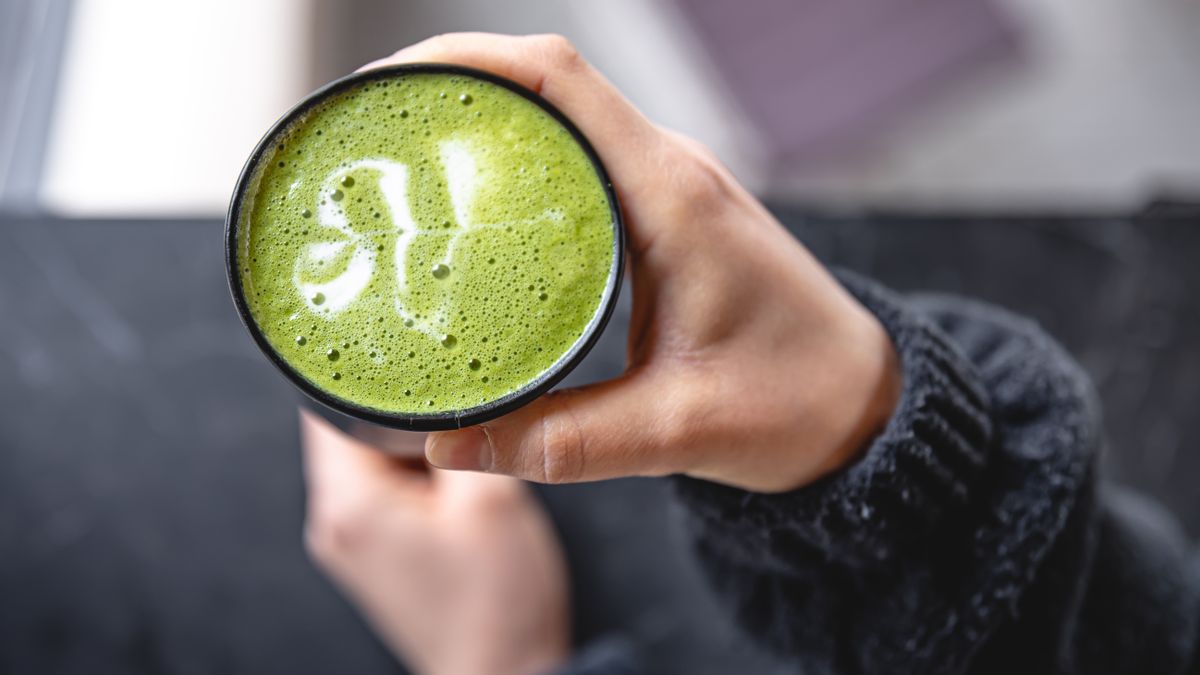


JAKARTA - Matcha is known as an antioxidant-rich drink that can increase natural energy and support metabolism. Not surprisingly, many people make matcha a daily menu choice.
However, Nutritionist Do Thi Lan from the Ministry of Nutrition at Tam Anh General Hospital in Hanoi said matchmaking is not suitable for everyone. There are some health conditions that make a person need to be more careful before consuming matcha regularly.
The following is a group of people who are advised to limit consuming matcha, as reported by the VNExpress page.
1. Heart disease sufferers
The caffeine content in the matcha is quite high, it can even be equivalent or higher than a cup of coffee. For people with heart disease, such as high blood pressure, arrhythmias, orseteric arterial disease, caffeine can trigger an increase in heart rate, palpitations, to a sudden spike in blood pressure.
"Patients with heart conditions should consult a doctor and choose a caffeine-free alternative, such as herbal tea," said Do Thi Lan.
2. People with Anxiety and Insomnia Disorders
Caffeine in matcha also stimulates the central nervous system. For people with chronic insomnia or anxiety disorders, this drink can worsen symptoms. Those who are sensitive to caffeine are advised to avoid matchha at night, or not consume it at all.
3. People who are Consumption of Blood Economy Drugs
Like other green teas, matcha contains vitamin K which can reduce the effectiveness of blood dilution drugs, such as warfarins. The suddenly increasing intake of vitamin K can trigger excessive blood clots, thereby increasing the risk of stroke or heart attacks. Patients who use this drug must keep vitamin K intake stable and should consult a doctor before taking a match.
4. Pregnant and Breastfeeding Women
Excess caffeine intake during pregnancy can increase the risk of miscarriage, premature birth, or low-size birth babies. Pregnant women are recommended to limit caffeine below 300 mg per day, while one cup of matcha can contain 60 80 mg of caffeine, depending on the way it is served.
In addition, catechins in matcha can reduce the absorption of folic acid, an important nutrient during pregnancy. Therefore, pregnant and lactating mothers should consult a doctor before regularly consuming matcha, especially when taking folate or iron supplements.
5. People with Digestive Disorders and Lambung Tukak
Caffeine in matcha can stimulate stomach acid production, triggering nausea, acid reflux, or stomach pain. Gastritis sufferers, irrigable bowl syndrome (IBS), or GERD need to be more vigilant.
SEE ALSO:
In addition, the content of tannin in matcha can inhibit the absorption of non-heme iron from plant foods. If consumed too often without managing a good diet, this can cause anemia. Do Thi Lan also suggested not to drink matcha when the stomach is empty because it can irritate the stomach.
6. Children
Matcha is not recommended for children, especially those who are still young. Their nervous system is not ripe, so it is more susceptible to excessive stimulation due to caffeine. The impact can be difficulty sleeping, irritability, or difficulty concentrating.
According to the American Academy of Pediatrics, children over 12 years of age should limit caffeine intake to a maximum of 85100 mg per day. Meanwhile, children under 12 should avoid caffeine altogether, including matcha.
The English, Chinese, Japanese, Arabic, and French versions are automatically generated by the AI. So there may still be inaccuracies in translating, please always see Indonesian as our main language. (system supported by DigitalSiber.id)
Most Popular Tags
#Prabowo Subianto #donald trump #Febrie Adriansyah #8791 #giias 2026Popular


