
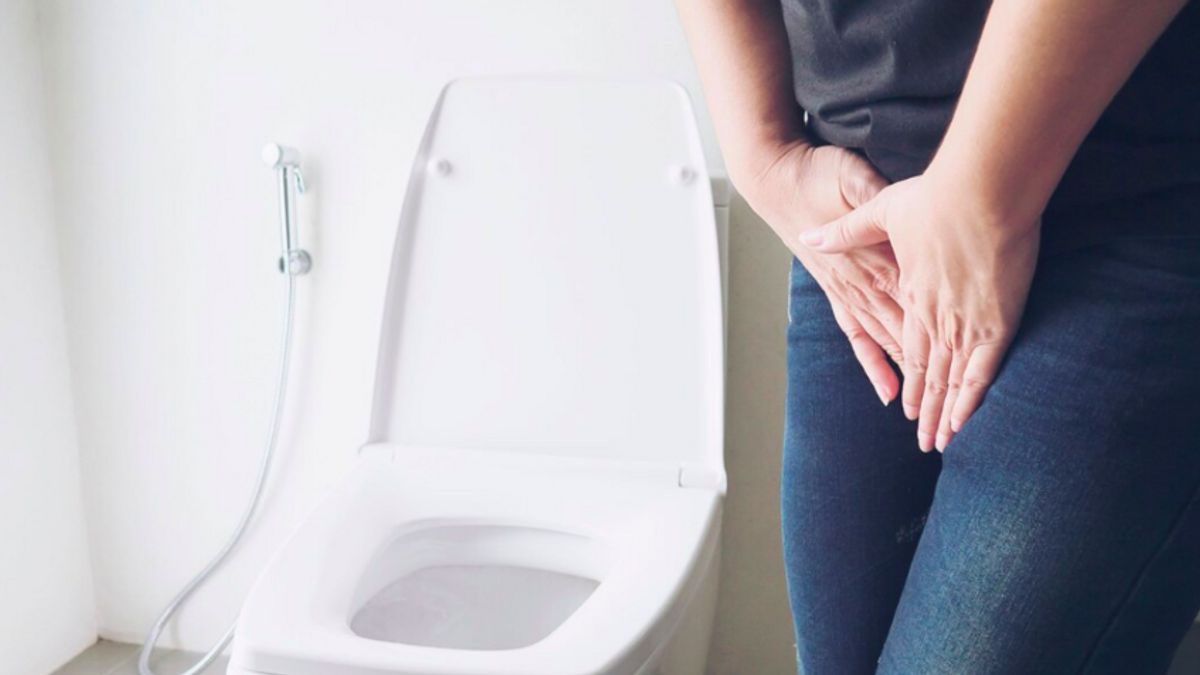


JAKARTA - How often we urinate can actually be an important clue about health conditions. According to experts, there is a range of frequency of urine that is considered normal. If too often or even very rarely, it could be that the body is giving a signal that needs to be considered.
This is a sign that you have to re-examine your lifestyle and health condition. Dr. Guarantee Brahmhatt, an urologist at Orlando Health, explains that on average healthy people urinate 6'8 times a day.
For most people, it's natural to want to urinate every 3'4 hours during the day. At night, ideally only once or even not at all. If you wake up often to urinate, there could be something wrong, "he said, quoted from the CNN page.
However, there are also those who urinate up to 10 times a day, especially if they drink a lot of water or consume drinks that stimulate urine production such as coffee, tea, and alcohol. This drink is diuretic and can irritate the bladder.
If the effect of coffee or alcohol is disturbing, try to reduce or mix with more water. For example, coffee is made half power, or a cocktail minus alcohol," said Dr. David Shusterman of NY Urology.
The frequency of excessive urine is not always due to drinking a lot of water. Some of the other causes include:
- A urinary content is too active (overactive cadder)
- Diabetes
- Urinary tract infection (ISK)
- Effects of diuretic drugs for blood pressure or heart problems
- Nervous disorders due to stroke, spinal cord injury, Parkinson's, multiple sclerosis, or brain tumors
- Pregnancy, as fluid metabolism increases
- Stress or anxiety, which can trigger a bladder contraction
- Hormonic changes, such as in the menopause due to a decrease in estrogen
"Interestingly, there is an estrogen receptor in the bladder. In some patients, giving creams or vaginal estrogen supositoria can help overcome overactive bladders," said Dr. Jason Kim of Stony Brook University.
If urinating too often is disturbing, urologists can help with bladder therapy, pelvic floor muscle exercises, medicines, botox injections in the bladder, or nerve stimulation to regulate bladder contraction.
SEE ALSO:



If you rarely urinate, for example only every 6'8 hours or less than four times a day, it can indicate dehydration or problems in the bladder and kidneys.
The National Academy of Medicine recommends daily intake of fluids in women about 2.7 liters (about 9 glasses) and men 3.7 liters (about 12.5 glasses). Rarely urinating can increase the risk of urinary tract infection because bacteria are longer stuck in the urinary tract.
Taking urine for too long can also weaken the bladder muscles and increase the risk of kidney infection.
"If all drinking habits are good but still rarely urine, go to the doctor. There could be problems with obstacles (obstructive) or non-obstacles," added Dr. Shusterman.
In men, prostate enlargement with age is often the cause. In women, narrowing uretra can trigger urine retention. Some neurological diseases can also reduce the function of the bladder.
Unfortunately, treatment options for the bladder are less active, such as the use of a catheter or bladder (sacral neuromodulation).
Even so, Dr. Kim emphasized that this procedure can be very helpful and should not be postponed if necessary.
The English, Chinese, Japanese, Arabic, and French versions are automatically generated by the AI. So there may still be inaccuracies in translating, please always see Indonesian as our main language. (system supported by DigitalSiber.id)
Most Popular Tags
#Prabowo Subianto #donald trump #firearm #8791 #giias 2026Popular


