
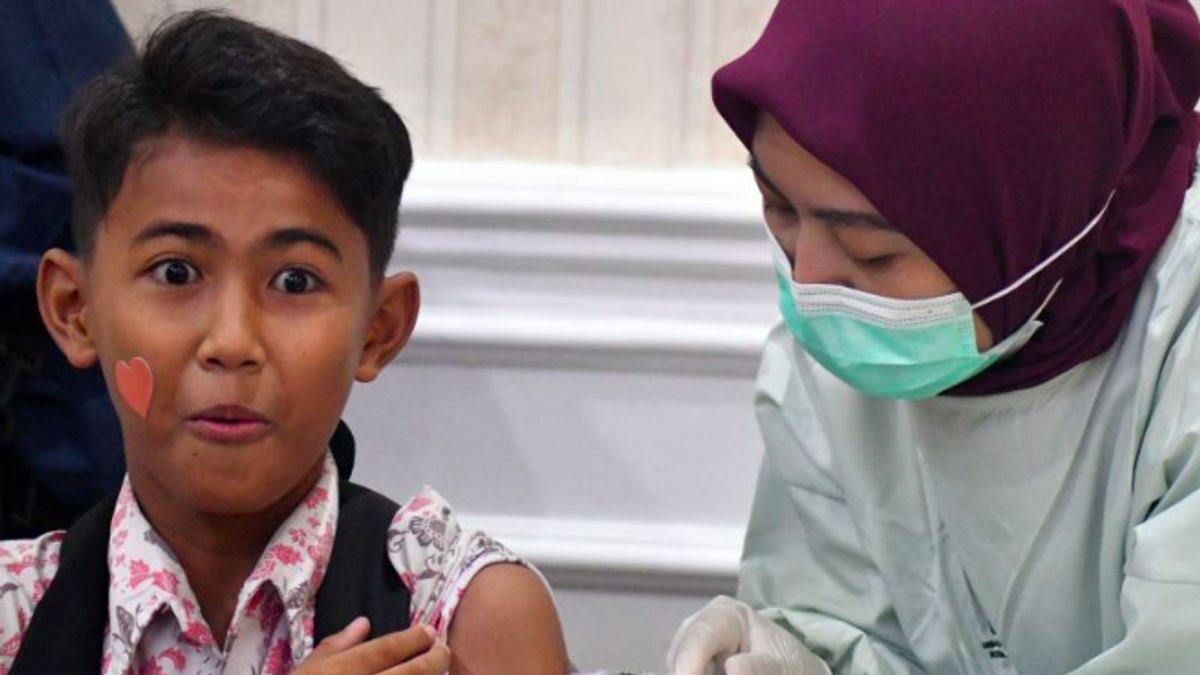


JAKARTA - Hepatitis B is still a global health challenge, including in Indonesia. Early prevention is the main key to reducing the transmission rate.
Through screening or early detection and complete administration of vaccines, the risk of hepatitis B virus infection can be significantly reduced by even more than 95 percent.
According to dr. Dirga Sakti Rambe, M.Sc, Sp.PD, FRSPH, FINASIM, hepatitis B vaccines have proven to be very effective in providing long-term protection.
"Hepatitis B vaccine is the most effective way of preventing it. Its effectiveness is more than 95 percent and is able to protect the body for years," he said as quoted by ANTARA.
This internal medicine specialist from the Faculty of Medicine, University of Indonesia, explained that hepatitis B is a viral infection that attacks the liver.
These infections can be acute (short-term) or chronic (long-term), with the risk of severe complications such as cirrhosis of the liver to liver cancer if not treated properly.
Hepatitis B virus spreads through blood exposure and body fluids. Several ways of transmission include through unprotected sexual intercourse, blood transfusions, the use of joint syringes, to the use of personal tools such as barbershops or non-sirilized manikur devices.
Based on data from the World Health Organization (WHO), more than 2 billion people in the world have been infected with this virus. In Indonesia itself, hepatitis B is still a significant health problem, with an estimated around 60,000 deaths related to this disease every year.
SEE ALSO:
-
 | INFO SEHAT
Waspadai Hepatitis, Penyakit Tanpa Gejala yang Bisa Berakibat Fatal
29 April 2025, 09:32 -
 | BERITA
Etana Tegaskan Komitmen dalam Penyediaan Vaksin Hepatitis Anak dan Dewasa
21 Agustus 2024, 13:13
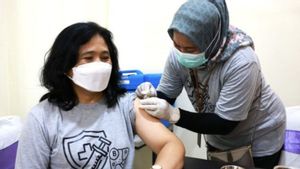


Dr. Dirga emphasized the importance of early detection, especially for those who are in a high risk group such as medical officers, injecting drug users, or individuals with a history of blood transfusions. Blood tests such as HBsAg and Anti-HBs are the first steps to find out whether a person has been infected or does not have immunity to this virus.
For adults, the hepatitis B vaccine is given in three doses, each in the 1st, 1st, and 6th months. According to dr. Dirga, the effectiveness of vaccination can decrease if the series of doses is not completed. Therefore, it is important to record the vaccination schedule and ensure that no dose is missed.
Transmission of hepatitis B can also occur from a baby, especially if the mother is a carrier of the virus. Dr. Melia Yunita, MSc, Sp.A, a pediatrician, explains that hepatitis B infections in babies can develop into chronic conditions with potential long-term complications.
Baby born to a mother who is positive for hepatitis B must immediately get a vaccine and immunoglobulin injection a maximum of 12 hours after birth, explained dr. Melia. This step aims to minimize the risk of infection that can develop into cirrhosis or liver cancer in the future.
Dr. Melia also explained that the hepatitis B vaccine for children was given five times, namely once after birth and four times in the form of a combination vaccine at the age of 2, 3, 4, and 18 months as a booster. He reminded that the hepatitis B vaccine has been included in the basic immunization list recommended by the Indonesian Pediatrician Association (IDAI).
Unfortunately, about 70 percent of infected babies do not show any symptoms, so early detection becomes very important even when the child looks healthy.
"Parents need to be aware that prevention through immunization is not just an option, but it is an obligation to protect their children from the risk of chronic diseases in the future," concluded dr. Melia.
The English, Chinese, Japanese, Arabic, and French versions are automatically generated by the AI. So there may still be inaccuracies in translating, please always see Indonesian as our main language. (system supported by DigitalSiber.id)


