
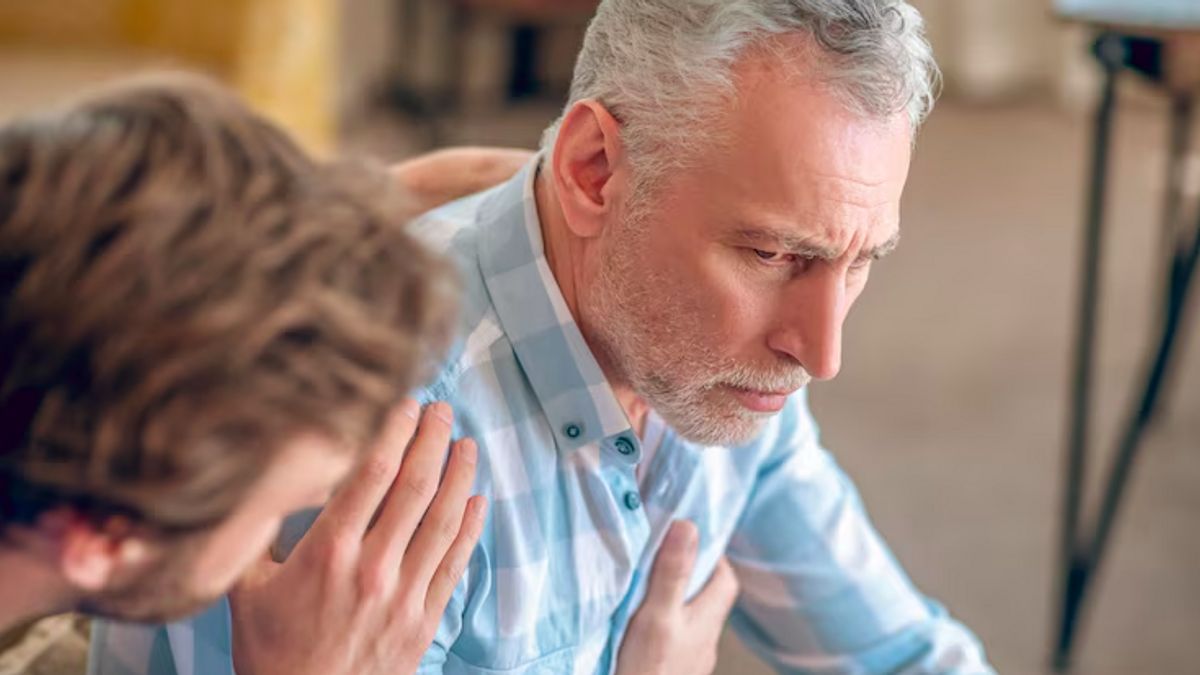


JAKARTA - The Respiratory Syncytial Virus (RSV) is a very common respiratory virus, attacking the upper and lower respiratory tracts, including the nose, throat, and lungs.
Although widely known as the cause of respiratory tract infection in children, this virus also poses a significant disease burden to the elderly and adults with certain medical conditions.
This was revealed by Professor Dr. Tjandra Yoga Aditama, Sp.P(K), MARS, DTM&H, DTCE, FISR, Professor of the Faculty of Medicine, University of Indonesia, and public health experts at the 'Government Without Disorders: Protect yourself from RSV before Umrah' organized by GSK.
"RSV may not be as well known as influenza or COVID-19 among the general public, but this virus is widespread and can cause severe disease, especially in vulnerable populations," said Professor Dr. Tjandra, when met in the Gondangdia area, Jakarta on Wednesday, July 16, 2025.
One of the main challenges in controlling the spread of RSV is the resemblance of its symptoms to the common cold. Mild symptoms of RSV such as colds, coughs, fever, sore throat, sneezing, vomiting and difficulty breathing make it difficult to distinguish from other viral infections such as influenza or even COVID-19. Therefore, early detection and public awareness of the potential dangers of RSV are very important.
The transmission of RSV occurs quickly. One infected person can generally transmit the virus to three other people. The transmission period lasts for 3 to 8 days after symptoms appear. However, for individuals with weakened immune systems, the transmission period can last longer, even up to four weeks.
"This is a big problem for dense communities, such as nursing homes or pilgrims of the pilgrimage and Umrah, where transmission between individuals occurs massively," said Prof. Tjandra.
This virus can spread through direct contact with people who are infected or indirectly, such as through a respiratory tract droplet that sticks to the surface of the object when a person coughs or sneezes.
According to the United States Centers for Disease Control and Prevention (CDC), RSV is able to stay on the hard surface for hours, making indirect transmission a significant route, especially in health and household care facilities.
The group most at risk of experiencing severe infections due to RSV is infants, small children, people with immune disorders, and the elderly. In the elderly group, RSV can cause serious complications such as broncholitis, pneumonia, chronic lung disease (such as COPD), to death.
Data from the National Foundation for Infectious Diseases (NFID) shows that around 177,000 elderly are hospitalized every year in the United States due to RSV, and around 14,000 of them have died.
" Pay attention to the health of the elderly when undergoing Umrah worship needs to be improved. As we get older, our immune system experiences a natural decrease in function, this condition is known as Age-Related Declane in Immunity or ARDI. This decrease makes the elderly more susceptible to various infections, including respiratory tract infections such as RSV, influenza, and COVID-19", said Prof. Dr. Tjandra.
SEE ALSO:
-
 | INFO SEHAT
Cegah Komplikasi Infeksi Pernapasan, Lansia Komorbid Perlu Vaksin RSV
10 Juli 2025, 13:25 -
 | KESEHATAN
Jemaah Haji Rentan Terkena ISPA yang Disebabkan oleh RSV, Apa Itu?
27 Februari 2025, 18:00 -
 | KESEHATAN
Menghadapi Lonjakan Kasus Penyakit Pernapasan, Pencegahan Jadi Langkah Efektif
20 Februari 2025, 10:28

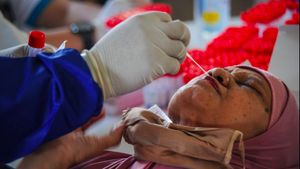
In addition, the burden of disease on the elderly is exacerbated by general comorbid conditions in advanced age, such as chronic heart and lung disease.
The relationship between age increase and decrease in body immunity is very significant. That is why elderly and comorbid must be a priority in prevention strategies, "added Prof. Tjandra.
Prevention of RSV is actually very dependent on implementing good health protocols. Washing your hands regularly, covering your mouth and nose when coughing or sneezing, cleaning the surface that is often touched, wearing a mask while in a crowded place, and maintaining physical distance are effective steps to prevent transmission. However, amid the limited public awareness of the RSV, these steps have not been widely implemented consistently.
"In addition to basic health protocols, vaccination of RSV is now starting to become a serious concern in efforts to protect the elderly," said Prof. Tjandra.
The RSV vaccine for adults over 60 years of age has been approved in several countries, including the United States. The US Food and Drug Administration (FDA) approved the first RSV vaccine for the elderly by 2023, a breakthrough the CDC calls a major advance in the protection of high-risk populations.
"Health of elderly pilgrims during the Umrah pilgrimage must be a priority. Apart from influenza and COVID-19, RSV infections must be included in medical and preventive considerations," said Prof. Tjandra.
In a report The Lancet Infectious Diseases, the researchers said that although RSV is often not considered an adult disease, the reality is that this virus is the main cause of hospitalization and death from respiratory diseases in the elderly, equivalent to the impact of seasonal influenza.
RSV is not just an ordinary flu. For the general public, understanding of this virus is still limited, but the risks it poses, especially in the elderly group, which are very real. Therefore, preventive measures in the form of personal hygiene, avoidance of contact with symptomatic individuals, and vaccination, are very important to reduce the risk of infection and serious complications.
"It's time for us to treat RSV with the same vigilance as other breathing viruses that are already better known." concluded Prof. Dr. Tjandra.
The English, Chinese, Japanese, Arabic, and French versions are automatically generated by the AI. So there may still be inaccuracies in translating, please always see Indonesian as our main language. (system supported by DigitalSiber.id)


