


YOGYAKARTA - Maintaining heart health is not just a matter of exercising regularly or avoiding stress. What you consume every day plays an important role in maintaining heart function so that it remains optimal. A healthy diet for the heart can help reduce cholesterol levels, blood pressure, and the risk of developing cardiovascular disease. Here, follow the guidelines for a healthy diet for a strong heart that can be directly applied daily.
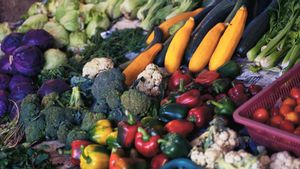
Vegetables and fruits are rich in vitamins, minerals, and fiber. The antioxidant content also helps fight inflammation and protects the walls of the blood vessels from damage. By filling half your plates with vegetables and fruit, daily nutritional needs will be easier to achieve. Start by adding fruit slices into oatmeal breakfast, or changing afternoon snacks with carrots, apples, or cerry tomatoes.
Not all carbohydrates are the same. Coal carbohydrates such as white rice or white bread are digested quickly and can cause a spike in blood sugar. On the other hand, whole grains such as oats, red rice, quinoa, and wheat bread contain higher fiber that is good for maintaining heart health. Please note, fiber helps lower levels of LDL cholesterol (crime'' cholesterol) and provides a longer feeling of saturation, thus helping to control body weight.
Reducing unhealthy fat consumption can prevent plaque buildup in the arteries. Fat saturated is widely found in fatty meats, butter, milk products full of fat, and fast food. Meanwhile, trans fat is among the most dangerous because it is often hidden in dense margarine and packaged processed foods.
Quoting the Mayo Clinic, Friday, July 11, replace the source of the fat with healthy fats such as those found in fatty fish such as salmon and macaques, nuts, seeds, avocados, as well as olive oil or canola oil.
Too much salt in food can cause high blood pressure, which is one of the main causes of heart disease. Recommendations for daily salt consumption of no more than 2,300 milligrams of sodium, or about one teaspoon. Even lower, which is 1,500 mg per day, is highly recommended for people at risk.
For this reason, avoid high-sodium processed foods such as instant noodles, canned foods, and instant sauce. Use natural spices such as ginger, garlic, chili, or lime juice as an alternative to natural tapping.
Although the food consumed is classified as healthy, excessive portions can still trigger weight gain. Use smaller plates, don't eat directly from the packaging, and make it easier to read nutritional labels. This habit will help you to be wiser in managing daily calorie intake.
In addition, avoid eating when you're not hungry, such as when watching television or working, because this often triggers excessive consumption without realizing it.
SEE ALSO:




Replacing high-fat animal protein with plant-based protein such as tempeh, tofu, nuts, and lentil is a smart move. The source of this protein is cholesterol-free, low in saturated fat, and rich in other nutrients such as fiber and vegetable iron. If you still want to eat meat, choose parts without fat or chicken without skin, and limit the frequency.
Instead of seeing a healthy diet as a strict rule, change the approach to long-term habits. You can start with one or two small changes first, such as replacing fried snacks with grilled beans, or choosing water instead of sweet drinks.
Consistency is more important than instantaneous extreme changes. Your heart will benefit greatly from every small step that is done regularly.
A healthy diet for the heart does not mean it must be boring or difficult. With smarter and more conscious choices, you can still enjoy delicious food while keeping your heart strong. Don't wait for symptoms, start a healthier diet because a healthy heart is the best investment for the future.
The English, Chinese, Japanese, Arabic, and French versions are automatically generated by the AI. So there may still be inaccuracies in translating, please always see Indonesian as our main language. (system supported by DigitalSiber.id)


