
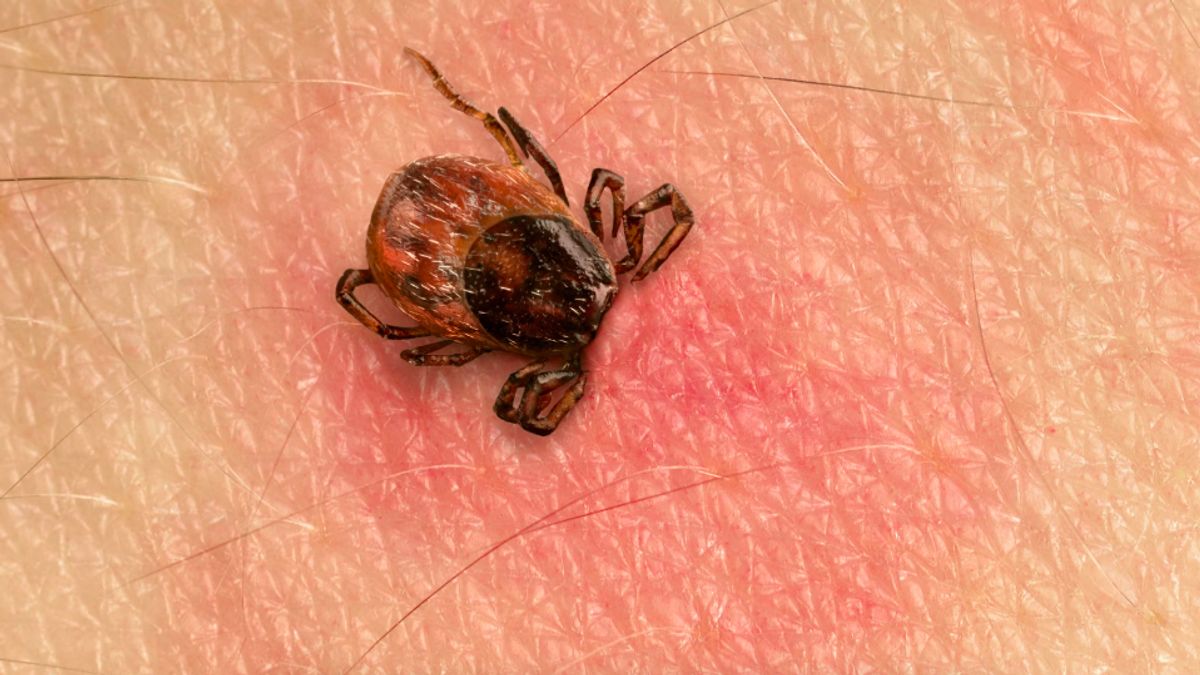


JAKARTA - Rates are not just causing skin irritation or itching. Behind its small body size, ticks can be a source of transmission of various serious diseases, such as Lyme disease, anaplasmosis, caption, and Powassan virus infection.
Some of these infections can even cause long-term complications if not treated immediately. Therefore, prevention is the most important step to protect oneself from the potential risks posed by ticks.
To avoid spying, the United States Department of Agriculture recommends that a person take a shower or rinse his body within two hours of returning from outdoor activities such as hiking, camping, gardening, walking in the forest, or picnicing. This step helps remove ticks that may have stuck to the body before biting.
Citing the Health page, kutu generally takes several hours to penetrate the skin and start smoking blood, so quick action after being outside is highly recommended.
Some types of ticks, such as black-legged lice, are very small in size and can look like wijen seeds, making them easy to miss during the examination.
Thorough body examination is highly recommended after activities in the open. Use a large mirror or a handheld mirror to examine the hidden body area, including the back of the knee, armpits, navels, head skin, ears, and between the hair. Care for other people's help to check areas that are difficult to reach, especially in children.
Aphid bites usually do not cause pain, so many people do not realize that they have been bitten until the meal is seen attached or symptoms appear. Although they generally cause red bumps such as other insect bites, mealy bites can sometimes cause local swelling, itching, melting, or even bruises.
SEE ALSO:

If you find a tick attached to your skin, here are the steps suggested to remove it safely:
Use the right tools, such as pointed-tip tweezers or special tick removal tools.
Hold the meal as close to the surface of the skin as possible.
Pull slowly and steadily upwards, without turning or suddenly pulling, so that the ticks come out completely.
Clean the bite area with soap and water or drinking alcohol to prevent infection.
Avoid using materials such as petroleum jelly, heat, or chemicals, because it can make vets vomit liquids containing pathogens into the body.
After a bite, it is important to monitor symptoms in the next few days, such as fever, joint pain, fatigue, or the appearance of a rash.
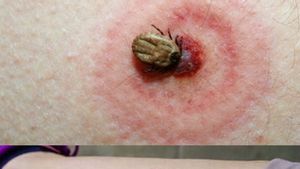
In Lyme disease, a distinctive rash in the form of a concentric circle like the target (bullseye rash) usually appears about a week after the bite. If you experience suspicious symptoms, consult a doctor immediately.
The English, Chinese, Japanese, Arabic, and French versions are automatically generated by the AI. So there may still be inaccuracies in translating, please always see Indonesian as our main language. (system supported by DigitalSiber.id)


