
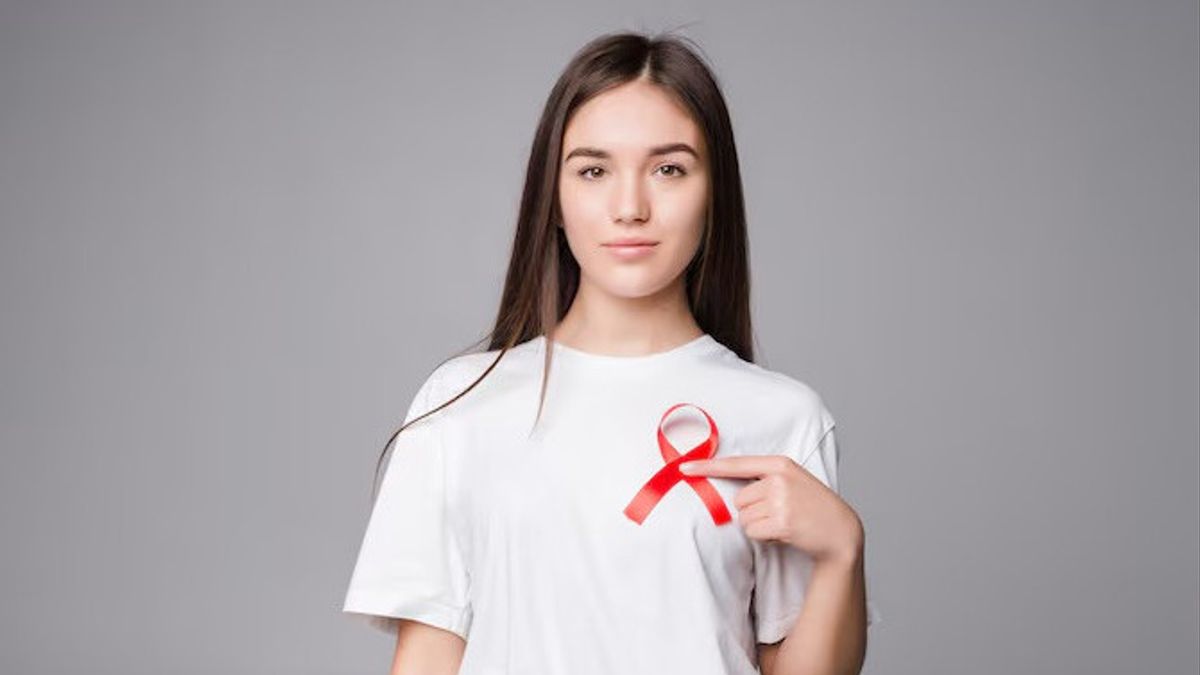


JAKARTA - Human Immunodeficiency Virus (HIV) is a serious infection that attacks the immune system. If not treated, HIV could develop to AIDS (Acquired Immunodeficiency Syndrome), the final stage of infection that makes the body vulnerable to various serious diseases.
Although the initial symptoms of HIV are similar between men and women, women can experience more specific signs over time. Recognizing these symptoms early on is essential for more effective handling.
Reporting from the Health page, at the early stages, HIV symptoms often resemble ordinary flu. Within 24 weeks after exposure to the virus, most people experience fever, chills, extreme fatigue, muscle aches, throat inflammation, rashes, and swelling of lymph nodes.
Despite appearing mild, these symptoms are the body's natural reaction to HIV infection. If you feel you have ever been at risk of contracting HIV and experiencing these symptoms, immediately do a blood test to make sure.
Over time, women with HIV can experience significant changes in their bodies. Some special signs to watch out for include:
1. Menstruation Cycle Disorder
Women with HIV can experience irregular menstruation, more bleeding or very little, not even menstruating at all.
In addition, PMS symptoms can get worse, such as back pain, bloating stomach, severe cramps, headache, pain breast, and sleep disorders
2. Repeated vaginal infections
Fungal infections in the vagina (vagnal acid infection) are more common in HIV sufferers, especially if the immune system weakens. Symptoms include itching, pain when urinating, and excess whiteness.
3. Menopaus Dini
HIV can cause women to experience menopause earlier than usual. Symptoms such as hot flashes, night sweat, sleep disturbances can appear faster and heavier than women without HIV.
4. Lowering Bone Density
Studies show women with HIV experience faster bone loss, especially after menopause. This increases the risk of osteoporosis and fractures.
5. Higher Risk of Certain Diseases
Women with HIV are also more susceptible to cervical cancer (related to HPV infection), heart disease, hepatitis, other sexually transmitted infections (IMS) such as herpes and pneumonia.
The sooner HIV is known, the greater the chance of suppressing the virus and preventing complications. Antiretroviral therapy (ART) allows people with HIV to live a healthy life and reduce the risk of transmission significantly.
In fact, women with HIV can still have a healthy pregnancy and prevent transmission of the virus to their babies if they carry out regular medical treatment and control.
Immediately check yourself if:
- You experience unusual flu symptoms and feel you have ever been at risk of contracting HIV
- The menstrual cycle changes drastically for no apparent reason
- Experiencing repeated vaginal infections or other infections that are difficult to recover
- Feeling the body is weaker or more easily sick than usual
The only way to ensure HIV status is by blood testing. Don't wait until it's too late. Undetected HIV can develop quietly over the years.
SEE ALSO:
-
 | INFO SEHAT
Orang Tua Lebih Sayang Anak Sulung atau Bungsu? Penelitian Ungkap Faktanya
22 Januari 2025, 13:55 -
 | LIFESTYLE
Indonesia Nomor 2, Ini Daftar 17 Negara dengan Konsumsi Mi Instan Terbanyak di Dunia
01 Januari 2025, 17:50 -
 | INFO SEHAT
7 Makanan untuk Orang Diare yang Aman Dikonsumsi agar Cepat Pulih
11 November 2024, 21:25

Prevention remains the best step. Safe sex practices such as the use of condoms, routine examination of IMS, and not sharing syringes can significantly reduce the risk of HIV transmission.
The English, Chinese, Japanese, Arabic, and French versions are automatically generated by the AI. So there may still be inaccuracies in translating, please always see Indonesian as our main language. (system supported by DigitalSiber.id)


