
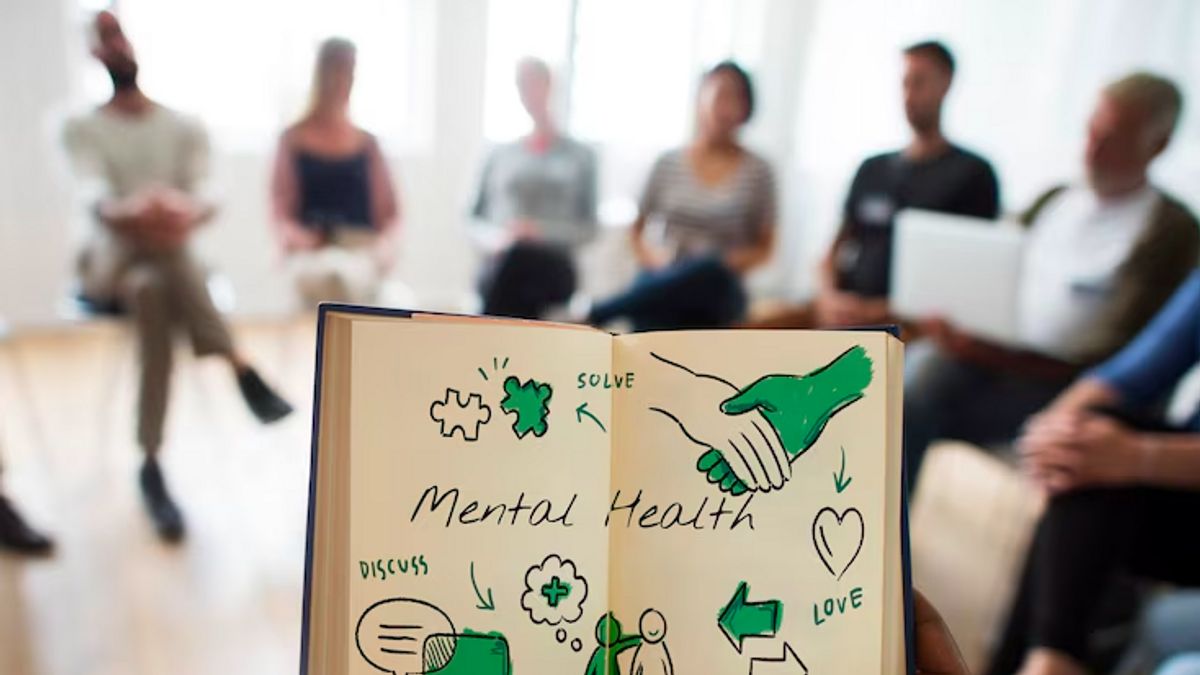


JAKARTA - In a fast-paced modern world of work, mental health issues and balance of life are increasingly getting serious attention among global companies.
Workers are no longer only judged by productivity alone, but also from overall physical, mental, social, and emotional welfare. This trend shows a shift in value in the world of work, where companies that care about the employee's balance become more attractive and sustainable.
One of the latest studies to highlight this topic is a collaborative whitepaper report between the Coats Group plc and the Great Place To Work work work culture research institute.
The report entitled "Weaving Global Patterns of Wellbeing" discusses how a strategic approach to employee welfare can form a more supportive and healthy work environment, especially in the manufacturing industry sector which has been known to be challenging in terms of workloads and operational pressures.
The flagship program discussed in this report, Energy4 Performance (E4P), is at the center of attention thanks to its widespread implementation in more than 55 countries. With the belief that the best performance can only be achieved when individuals are in optimal condition, E4P has given birth to more than 500 initiatives ranging from yoga classes, mental health training, to social activities that encourage connections between employees.
"The E4P program is proof of our dedication in creating a culture of caring and innovation. The enthusiasm of employees is a vital competitive advantage for a business, investment in human resources produces the best long-term results," said David Paja, Group Chief Executive Officer Coats in a press statement to VOI.
SEE ALSO:


One of the important findings of this report is the increasing involvement of employees and welfare indexes by 6% and 5%, respectively. Amid global challenges and post-pandemic world pressure, this figure shows the real impact of a more humanist approach to human resource management.
Several examples of this program include:
Mental health support (mental energy), such as training for managers in providing initial responses to the psychological crisis and providing counseling rooms in Shenzhen, China.
Attention to physical health (physical energy), through the eye examination program and distribution of free glasses in Bangladesh.
Strengthening the social aspect (social energy), with the construction of child care facilities in India to help workers who are also parents.
Emotional contributions to communities (emotional energy), such as the provision of clean water in Indonesia and support for local volunteers.
This report not only displays data and results, but also shows how interventions designed with a local context can form a more inclusive and empowered work culture.
Through this research partnership, Coats' approach is one of the case studies on how companies can respond to modern lifestyle needs and mental health pressure in the workplace.
"This can be used to expand the reach and impact of workers' welfare initiatives. Coats' commitment sets new standards for industry and creates better results for companies and employees around the world," said Michael C. Bush, CEO of Great Place To Work.
This approach signals the welfare of workers is not just an additional program, but a core part of a long-term business strategy.
The supportive work environment not only makes workers more loyal, but also contributes to the company's reputation in the public eye.
The English, Chinese, Japanese, Arabic, and French versions are automatically generated by the AI. So there may still be inaccuracies in translating, please always see Indonesian as our main language. (system supported by DigitalSiber.id)


