
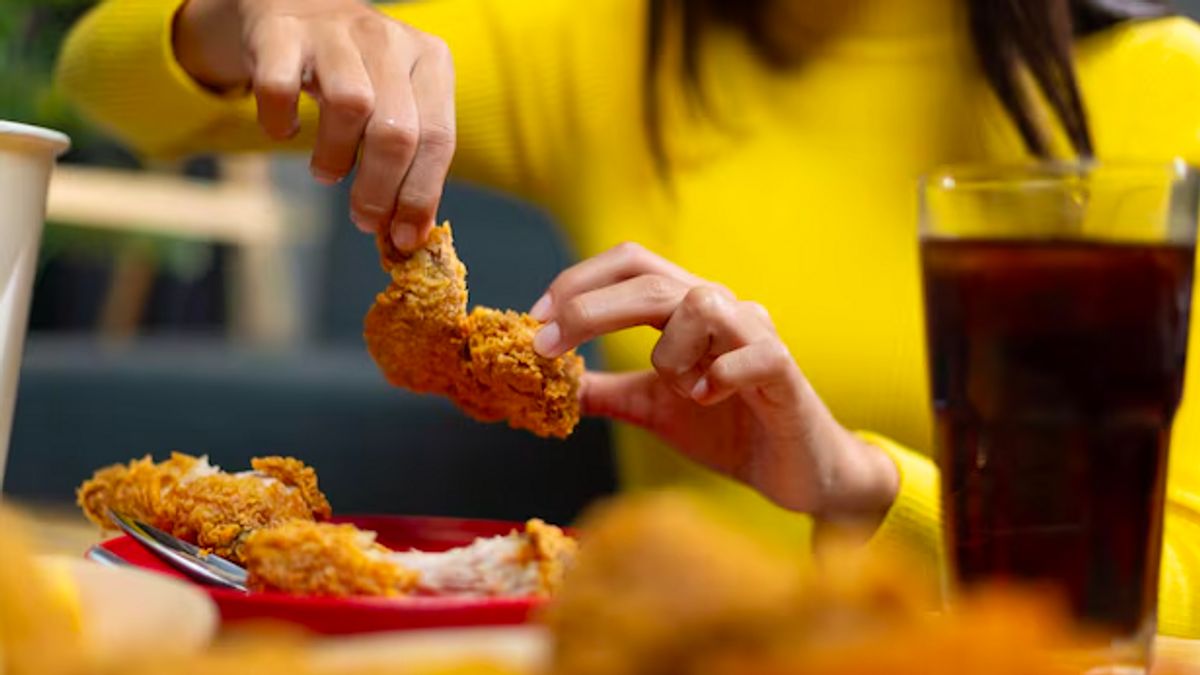


JAKARTA - Chickens have been known as a healthier choice of protein than red meat. But a recent study has forced many people to be vigilant behind the quite popular nutrition of chickens.
Research conducted in southern Italy found that poultry consumption of more than 300 grams per week could increase the risk of intestinal cancer and death from all causes. These findings were published in the journal Nutrients and suddenly raise big questions, can it true that eating chicken can trigger cancer?
Reporting from the Medical News Today page, the study found that poultry consumption such as chickens and turkeys, more than 300 grams per week, was associated with an increase in the risk of death from all causes by 27%. In addition, the risk of developing cerna channel cancer also rose by 2.3%, even higher in men, which was 2.6%.
This finding is certainly surprising, especially since chickens and turkeys are an important part of healthy diets such as Mediterranean diets.
According to Dr. Wael Harb, a specialist in hematology and medical oncology at the MemorialCare Cancer Institute, the results of such an observational study are not enough to draw the conclusion that chickens cause cancer.
SEE ALSO:
-
 | LIFESTYLE
Viral Hidangan Ayam Rebus Dijual Rp1 Juta per Porsi, Apa Istimewanya?
26 Maret 2025, 16:25 -
 | LIFESTYLE
Benarkah Ayam Tidak Perlu Dicuci Sebelum Dimasak? Ini Penjelasan Ahli
04 Maret 2025, 13:55
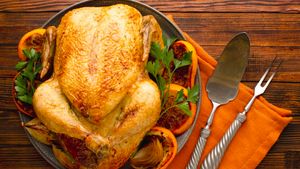
The findings are interesting, but this study does not prove a causal relationship. The existing evidence in general still supports moderate consumption of poultry as part of a balanced diet, "said Dr. Harb.
A nutritionist from Cleveland Clinic, Kristin Kirkpatrick also reminded that cancer is a complex disease that involves many factors.
"Starting from genetics, environment, lifestyle, age, to inflammation, it all plays a role. We have to see the results of a study like this in its entirety," explained Kirkpatrick.
"If you smoke, quitting smoking may be more important than limiting chickens," he added.
It is important to note that the risk of cancer not only comes from food ingredients, but also from how to cook it. Chickens that are fried, burned, or roasted at high temperatures can produce compounds such as HCA and PAH, two chemicals that have been associated with the risk of cancer.
These gifts are also found in red and processed meat. So, the problem may not be the meat, but how to cook it," said Dr. Harb.
Kirkpatrick said chicken nuggets that are frozen and fried at high temperatures will have different impacts than those of roast chicken without skin.
Debates about which ones are healthier, whether white meat or red meat re-emerge. Although white meat is usually lower in fat, studies in 2019 show that both can have a similar impact on LDL cholesterol in the blood.
In addition, this latest study does not explain the type of poultry consumed by participants, whether grilled chicken, processed chicken, or meat that has been processed. According to Kirkpatrick, this difference is very important in assessing the health impacts.
Experts agree there are still many unanswered questions. More in-depth follow-up studies are needed, including those that pay attention to the methods of cooking, the level of meat processing, and overall diet.
"We also need biological data that shows exposure to carcinogenic compounds in people who eat high amounts of poultry, as well as research that pays attention to the difference in risk between men and women," said Dr. Harb.
According to Dr. Harb, the recommended current chicken consumption limit is a maximum of 300 grams per week and it is still considered safe, as long as the chicken is not cooked at high temperatures, not overprocessed, and without skin.
Kirkpatrick also confirmed that this study is not strong enough to change current nutritional guidelines.
"I will still recommend chickens to my patients, especially if they also apply other healthy diets such as increasing vegetables, fruit, seeds, healthy fats, and plant-based protein," he said.
For those with a history of cancer in the family or want to be more vigilant, Dr. Harb recommends limiting chicken consumption to 200 grams per week, and including more fish, nuts, and plant-based protein into the daily menu.
The English, Chinese, Japanese, Arabic, and French versions are automatically generated by the AI. So there may still be inaccuracies in translating, please always see Indonesian as our main language. (system supported by DigitalSiber.id)
Most Popular Tags
#Prabowo Subianto #donald trump #2026 World Cup #Febrie Adriansyah #8791Popular


