
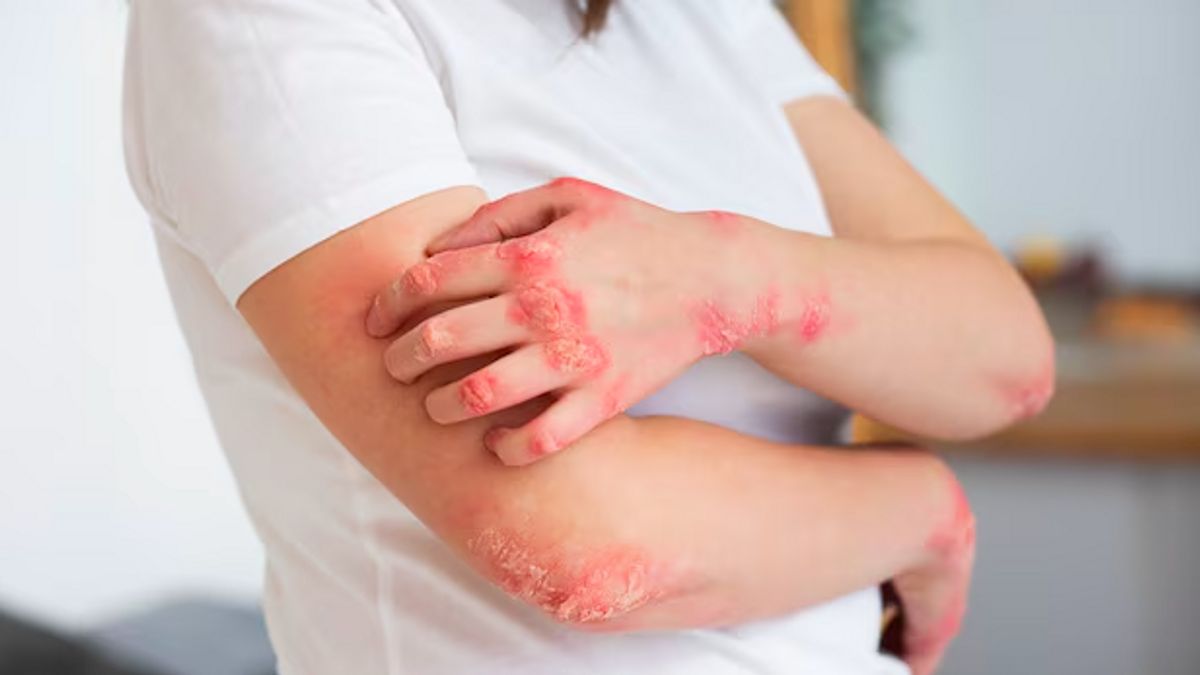


Sneering is a natural response to itching that arises in eczema sufferers or atopic dermatitis. However, this habit can actually worsen skin conditions, trigger infection, and expand inflammation.
To reduce the desire to scratch, sufferers can try out distraction techniques such as holding ice cubes, tapping an itching area gently, to keeping the nails short. In addition, maintaining skin moisture and managing stress actively are also shown to be able to suppress the urge to continue scathing.
Here are a number of practical steps that can be applied to reduce symptoms and the desire to scratch due to atopic dermatitis:
Dry skin worsens itching on eczema. Use a cream-based moisturizer or oil-rich controls at least twice a day, especially after bathing. Choose a fragrance-free product and suitable for sensitive skin so as not to cause additional irritation.
Compressing the part that is interrelated with a wet towel filled with cold water can help calm the skin. After the compress, proceed by applying a moisturizer so that the skin remains hydrated.
Products containing colloidal oatmeals are shown to reduce irritation, help remove dead skin cells, and strengthen skin protection layers. Usually available in special form of lotion or soap.
4. Holistic Stress Management
Stress can worsen flare-up eczema. Techniques such as meditation, deep breathing, yoga, or light activities such as leisure walks can help manage stress. Enough sleep and limiting exposure to information that triggers anxiety is also very important.
5. Pay attention to Household Products
Use clothes washing soap, dish washer, or household cleaners that are free from harsh chemicals and fragrances. Sensitive skin-friendly products help prevent additional irritation of eczema sufferers.
SEE ALSO:
-
 | LIFESTYLE
Cara Mengobati Eksim pada Kulit Wajah, Kenali Kandungan Skincare yang Harus Dihindari
04 November 2024, 13:47

6. Phototherapy for Certain Cases
Ultraviolet light therapy (UV) performed under medical scrutiny can help control eczema symptoms. This therapy helps reduce inflammation and inhibit excessive immune reactions on the skin.
7. Cream or Gel Anestesi Topol
To relieve great itching, creams with local anesthetics can be used. This product can be obtained without or with a doctor's prescription, depending on the content.
8. Doctor's Recipe Drugs
Eczema with moderate to severe symptoms can require medical intervention in the form of prescription drugs, such as topical corticosteroids, antihistamines, or immunomodulator drugs. Always consult before using them.
9. Immunotherapy for Certain Alergens
If your eczema is triggered by allergies, for example against dust or animal hair, immunotherapy can be a long-term solution. This therapy helps the body recognize and reduce excessive responses to allergens.
10. Behavioral Therapy: Stop Slashing Habits
In cognitive therapy, it is known as the 'reversal habit' technique to break itching cycles. This helps patients raise awareness of threading habits and replace them with more adaptive responses.
The English, Chinese, Japanese, Arabic, and French versions are automatically generated by the AI. So there may still be inaccuracies in translating, please always see Indonesian as our main language. (system supported by DigitalSiber.id)


