



YOGYAKARTA Palpitation is a term when the heart feels often palpiting. This condition may be scary because many factors cause it. But the cause of palptation is largely unnecessary for special care. Even so, it is important to know the following causes of the heart often beat.
Intensive emotions can trigger the release of hormones that accelerate heart rate. Usually when the body is prepared to face threats, although not always in danger. In addition, palpitation can also be caused by panic attacks that last for several minutes. In addition to palpitations, the body also sweats cold, difficulty breathing, and chest pain.
Exercise regularly is good for health. When exercising, the type of cardio in particular, makes the heart pump more blood to give muscle strength. If the heart feels pounded, it may be because you haven't exercised or are not in prime condition for a long time. Irregular heart rate or arrhythmia, can also cause palpitation during exercise.
Caffeine is a stimulant that increases heart rate. Whether it's from coffee, chocolate, soda, energy drinks, tea, it can make the heart beat. Launching WebMD, Tuesday, April 29, research found that caffeine may not cause palpitation in people with healthy heart. But experts don't know whether caffeinated drinks only cause people to beat their heart with heart rhythm problems.
nicotine chemicals in cigarettes and other tobacco products increase blood pressure and speed up heart rate. Quitting is one of the best things you can do for heart health. Palpitation can also be a symptom of nicotine breaking, but it will stop within 3 to 4 weeks after you quit smoking.
Women may feel a heartbeat or heart rate getting faster during menstruation, pregnancy, approaching menopause, or entering a menopause period. This is due to changes in hormone levels. Usually this condition is temporary so there is no need to worry. Palpitation can also be experienced during pregnancy and anemia.
When you have a fever, the body uses energy faster than usual. This can trigger palpitation, especially when the body temperature increases to 38 degrees Celsius.
Apart from hormonal changes and other conditions mentioned above, taking certain medications can also cause the heart to beat or experience palpitation. Medicines that can trigger palptation include antibiotics, cough and runny nose, high blood pressure drugs, thyroid drugs, antipsychotic drugs, asthma, diet drugs, and antijamur drugs.
If you consume one or more of the above types of drugs, ask the doctor if the drug can affect your heart rate or not. It is also important to follow the recommendations of the dose and drinking time from the doctor.
SEE ALSO:
-
 | INFO SEHAT
Ini Tanda Tubuh Lelah Butuh Istirahat yang Bisa Memicu Serangan Jantung
17 Februari 2023, 23:10 -
 | INFO SEHAT
Ubah Kebiasaan Jadi Lebih Sehat, Begini 7 Cara Mengantisipasi Penyakit Stroke
15 November 2021, 15:18
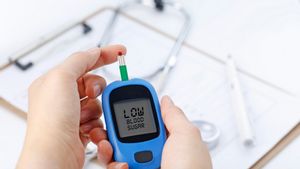


When you eat late, your body may become weak or feel shaking. This can also cause palpitation. When the body's blood sugar levels decrease, the body releases the stress hormone, such as adrenaline as a sign of dealing with a shortage of emergency food. This panic speeds up the heartbeat.
Tiroid is a butterfly-shaped gland located on the neck. This gland regulates matabolicism and other things. If the thyroid is too active, it can speed up the heartbeat. Consuming too many thyroid supplements can also cause the heart to beat.
In addition to the nine causes of heart palpitation or palpitation as mentioned above, this condition can also be related to other factors. Such as heart rhythm disorders, drinking lots of alcoholic beverages, experiencing premature ventricle contractions, or using drugs. So to identify the factors that cause the heart to palpitate and take place frequently, it is mandatory to see a doctor.
The English, Chinese, Japanese, Arabic, and French versions are automatically generated by the AI. So there may still be inaccuracies in translating, please always see Indonesian as our main language. (system supported by DigitalSiber.id)


