

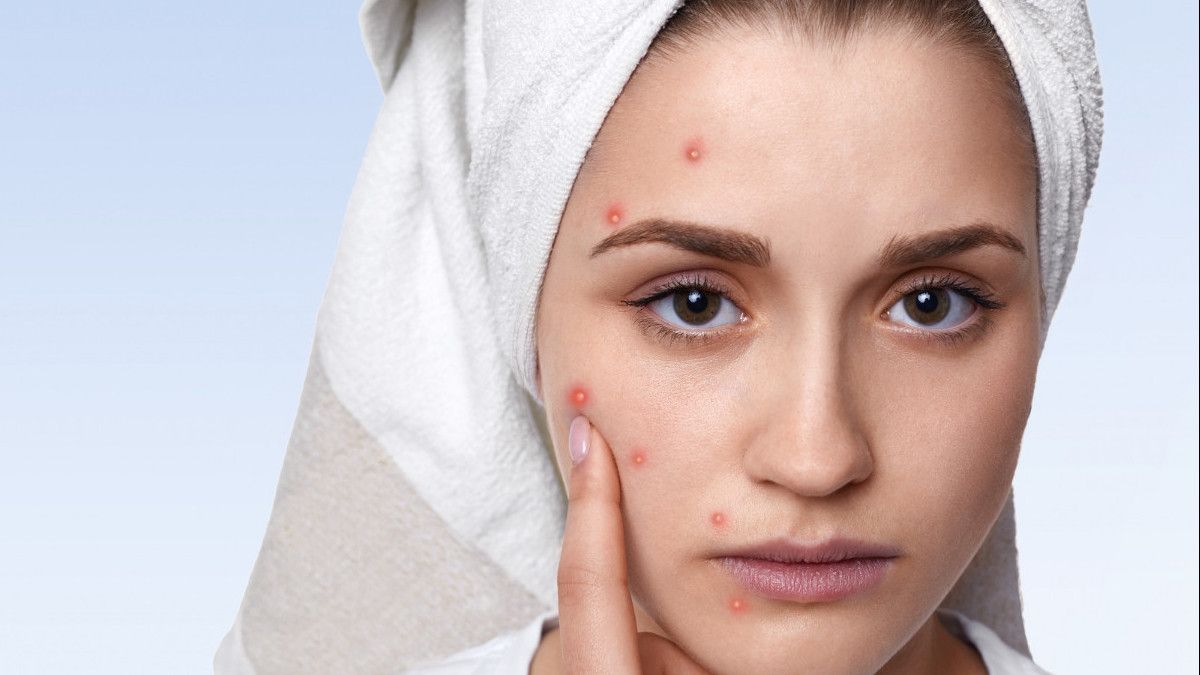


YOGYAKARTA - Acne is still one of the most common skin problems experienced by many people, ranging from adolescence to adulthood. Among the various types of acne, papula acne is quite common but not widely known by the public.
Therefore, understanding more about papula acne is very important so that you can recognize the symptoms and provide appropriate treatment. With proper treatment, the risk of more severe inflammation can be minimized.
To get to know papula acne, we need to know that this type of acne is included in the category of inflammatory acne. Papula acne usually appears as a small lump of redness on the surface of the skin that feels pain when touched. Unlike comodo acne or pustula, Papuan acne does not have a "white eye" because its contents are not in the form of pusah, but inflammatory due to clogged pores and is infected with bacteria.
Acne of this type often appears in the face area such as foreheads, cheeks, or chins, and can develop into a more severe acne if not handled properly. Papula can also spread and cause the texture of the skin to become uneven.
The Cause Of Papua Acne
In order to better understand and recognize papula acne, it is also important to know the main cause. In general, these acne appear when:
Papua acne can also be triggered by the use of skin care products that do not fit, touch the face too often with dirty hands, or the habit of squeezing acne which actually exacerbates inflammation.
Ciri-Ciri Acne Papula
Getting to know Papuan acne must also include how to distinguish it from other types of acne. Here are the hallmarks of Papuan acne:
If you find acne with these characteristics, you should avoid squeezing them because it can exacerbate infections and leave scars.
How To Overcome Papua Acne
After getting to know papula acne, of course you want to know how to deal with it. Here are some steps that can be done:
1. Use products that contain active materials
Products with ingredients such as salicylic acid, benzoyl peroxide, or retinoids can help reduce inflammation and clean pores.
2. Keep your face clean
Wash your face twice a day using light cleaning to reduce oil and dirt without making the skin dry.
3. Avoid touching or squeezing acne
This is very important so that acne does not get worse or leave scars.
4. Consultation with dermatologist
If the acne does not improve or increases, it is better to consult a professional for further treatment.
5. Pay attention to your diet and lifestyle
Avoid foods high in sugar and fat, and maintain regular sleep patterns.
Prevention of Papua Acne
One of the most important things after getting to know papula acne is to prevent it from coming back. Several preventive measures that can be applied include:
By getting to know papula acne, you can better understand how to deal with and prevent this type of acne effectively. Even though it looks trivial, acne palua that is not treated properly can cause long-term skin problems. Start from a simple treatment at home and don't hesitate to seek medical help if needed.
SEE ALSO:



Take care of your skin's health from now on and recognize the type of acne that appears so that you can appear more confident every day!
In addition, you also need to Know 7 Types of Acne and How to Overcome them
So after knowing how to get to know papula acne, see other interesting news on VOI.ID, it's time to revolutionize news!
The English, Chinese, Japanese, Arabic, and French versions are automatically generated by the AI. So there may still be inaccuracies in translating, please always see Indonesian as our main language. (system supported by DigitalSiber.id)


