
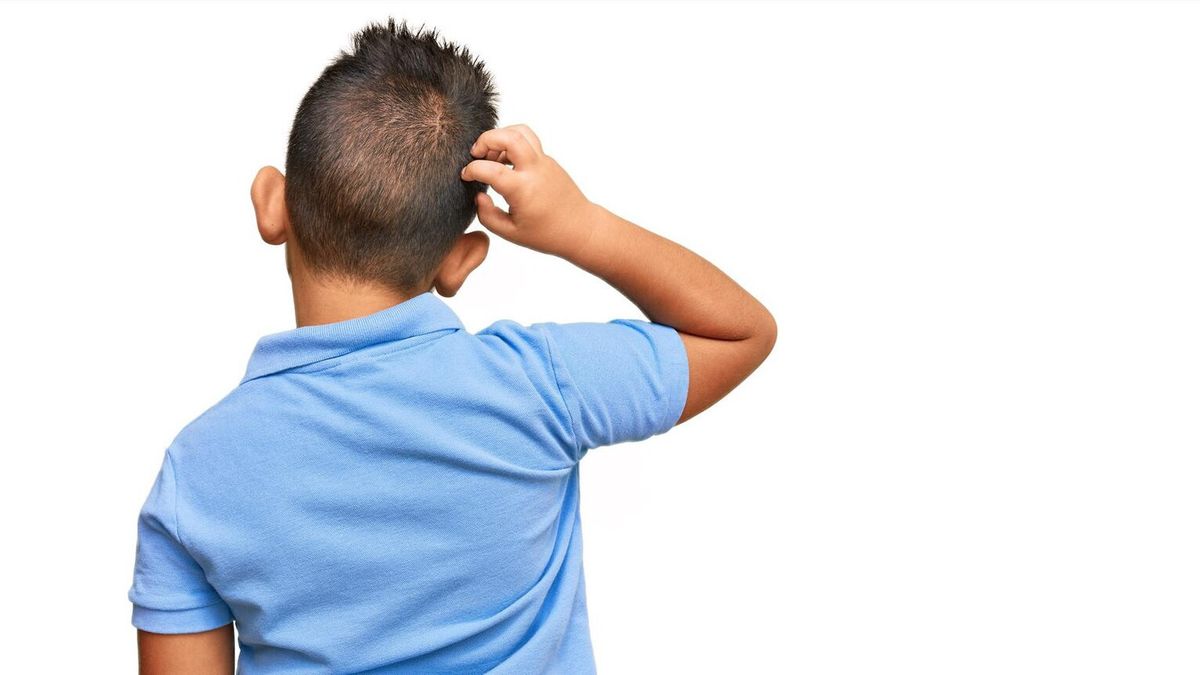


YOGYAKARTA - Hair loss in toddlers often makes parents worry. Although generally not a serious problem, it is important to understand the causes and ways to deal with hair loss in toddlers so that your little one's hair remains healthy and strong.
This article will discuss various factors that cause hair loss to toddlers, as well as provide practical and safe tips to overcome them.
Kris Wallace, MD, FAAP, a board-certified pediatrician, quoted from the healthychildren page, explains that care for alopecia areas can help when hair doesn't grow back in a few months or a lot of hair on the scalp is missing.
The first step in treatment is with creams, controls, or lotions (such as steroid drugs) applied to the bald area to reduce the activity of the immune system in the area.
If the hair loss extends, it will be more difficult to treat. Fortunately, new treatments are constantly being studied and some are showing good hopes for alopecia more difficult areas.
Most newborns and very young babies will experience hair loss after birth, so usually there is no need to see a doctor outside of routine examinations for this.
However, discuss continuous hair loss that affects your child or teenager with your pediatrician.
The doctor will see the skin of your child's head and conduct physical examinations to help determine the cause of hair loss. Sometimes, blood tests may be needed and sent to the laboratory. For some children, referrals to pediatricians may be needed.
SEE ALSO:
-
 | INFO SEHAT
Tips Menasehati Anak yang Kecewa Kalah Tanding Seperti Raffi Ahmad Menasehati Rafathar
18 September 2023, 20:10 -
 | INFO SEHAT
Cegah Anak Terbiasa Memendam Emosi, Komunikasi Efektif Perlu Diterapkan Orangtua
04 Desember 2024, 09:25 -
 | INFO SEHAT
Budaya Literasi Dimulai dari Rumah, Pahami Pentingnya Kebiasaan Membaca Bersama Anak
15 Oktober 2024, 21:55

Also read the article discussing the Healthy Chicken Pieces Based on the Protein Content
Hair loss in children can be caused by various factors. Some of the common causes of hair loss to children or adolescents include:
The hair that is arranged is too strong (such as a tight kepang or horse locking or a frequent tight bun) can cause hair to fall out, especially along the edges of the scalp at the front, side, and back.
This condition is called alopecia traction. This condition can improve by changing looser hairstyles. Avoiding hats and other objects that constantly rub with the scalp can also help hair grow back.
Physical stress (such as high fever, hospitalization, or surgery) or emotional stress (such as death in families, new schools, or new homes) can cause more hair to fall out than usual.
This type of hair loss, called the efluvium telogen, can occur for several weeks or months. This condition makes hair look thinner than before, but does not cause bald patches or hair to fall out completely. Hair loss due to efluvium telogen gradually improves by itself.
Children's habits rotate or pull their hair, called tritothilomania. Many children who develop this behavior often do not realize that they are doing it.
Trikotillomania can cause hair to break and fall out, and make spots on the scalp with less hair than usual and broken spinel hair. Small children tend to get rid of this habit with age.
fungal infections can sometimes cause hair to fall out. "Ruffle" is a fairly common fungal infection in the skin or hair. The medical terms for this infection are corporostine and catitis tinea.
When this infection is in the skin of the head, the hair is broken and loose and the skin can look irritated and scaly. Treatment with anti-ulture drugs given through the mouth is needed to clean this infection from the scalp.
In addition to overcoming hair loss in toddlers, follow other interesting articles too. Want to know other interesting information? Don't miss it, keep an eye on the updated news from VOI and follow all the social media accounts!
The English, Chinese, Japanese, Arabic, and French versions are automatically generated by the AI. So there may still be inaccuracies in translating, please always see Indonesian as our main language. (system supported by DigitalSiber.id)


