
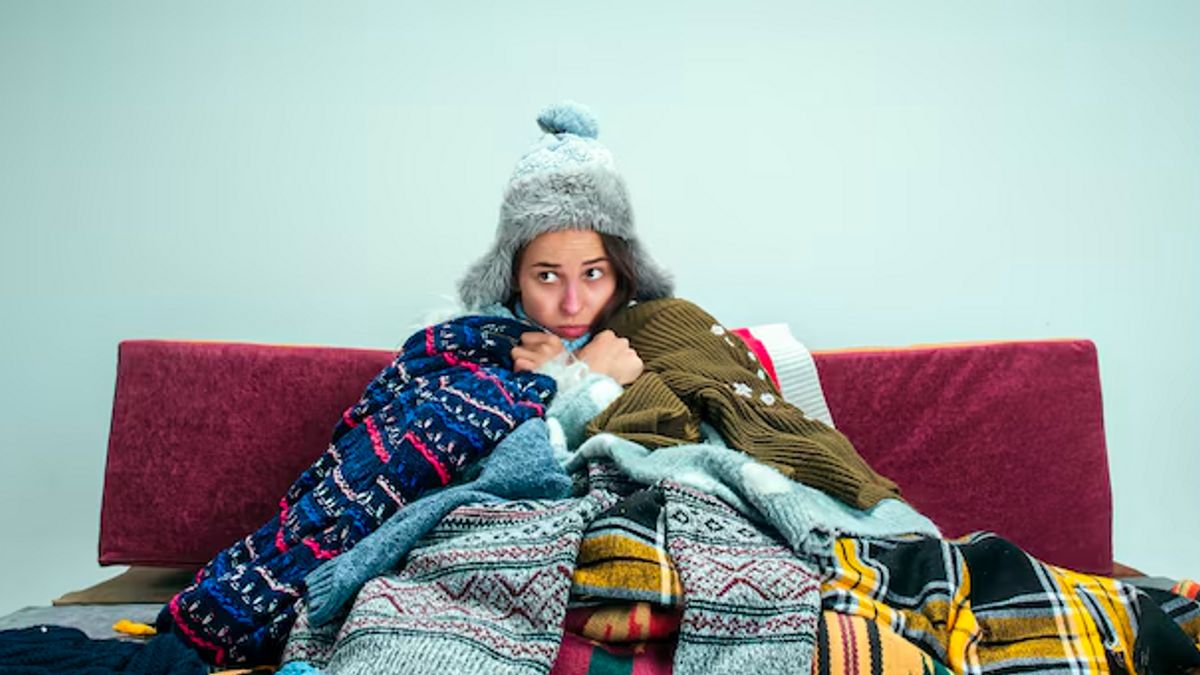


JAKARTA - Two climbers died while climbing at Puncak Carstensz Pyramid, Mimika Regency, Central Papua, on Saturday, March 1, 2025. The two climbers were Lilie Wijayanti Poegiono and Elsa Laksono, who died from hypothermia.
Hypothermia is a condition that is often experienced by climbers. Reporting from Healthline, hypothermia is a condition that occurs when the body's core temperature drops at 35 degrees Celsius, from normal body temperature ranging from 36.5 to 37.5 degrees Celsius.
The hypothermia is classified in three stages based on the body's core temperature, which is light ranging from 32 to 35 degrees Celsius, moderate 28 to 32 degrees Celsius, and severe less than 28 degrees Celsius.
Some of the common symptoms of hypothermia are excessive chills, pale skin or grayness and blue lips, slowing breathing, talking cadel, to confusion. In severe hypothermia the symptoms can be in the form of irregular heartbeats, loss of consciousness, and acute respiratory failure.
This condition can cause life-threatening complications if not treated quickly. The main cause of hypothermia is environmental exposure wanting for a long time and can interfere with cognitive functions, making it difficult for individuals to seek medical assistance.
SEE ALSO:
-
 | BERITA
Hilang 3 Hari, Pendaki Gunung Malanglayang Sumedang Ditemukan Selamat
19 Februari 2025, 23:26 -
 | BERITA
WN Norwegia Dideportasi Gara-gara Mendaki Gunung Agung Tanpa Pemandu
24 Februari 2025, 18:32 -
 | BERITA
Ribuan Karyawan PT Sritex Kena PHK, KSPI: Negara Gagal Lindungi Kaum Buruh
02 Maret 2025, 15:57
Some of the risk factors that could increase the risk of hypothermia among them are:
- Clothing that is not warm enough in a cold-Living environment in very cold-age conditions (baby and elderly are at higher risk)- Malnutrition, low blood sugar, or endocrine disorder- Inflammatory skin conditions such as psoriasis- Brain conditions that affect temperature regulation- alcohol consumption
If hypothermia has occurred, it is recommended to immediately contact emergency services. While waiting, people affected by hypothermia should be moved to a place that is hanta and dry.
Take off the wet clothes used, then cover it with a blanket or dry cloth, especially on the head, chest, neck, and intimate areas. It can use heat on the body if the blanket is not available, and monitor the breathing.
In addition, there are also several ways to prevent hypothermia from climbing. Check out how to do it below.
1. Wear various covers
Wear a hat or other protective covering to prevent body heat from coming out of your head, face, and neck. Cover your hands with gloves.
2. Use layered clothes
Wear loose, layered, and light clothes. Outer clothes made of tight wovenness, anti-water ingredients are the best for wind protection. The inner layer oftia, silk, or polypropylene holds the body's heat better than other ingredients.
3. Stay dry
Stay dry as much as possible. Change from wet clothes as quickly as possible to avoid hypothermia. Be careful to keep your hands and feet dry, because snow easily enters gloves and boots.
The English, Chinese, Japanese, Arabic, and French versions are automatically generated by the AI. So there may still be inaccuracies in translating, please always see Indonesian as our main language. (system supported by DigitalSiber.id)


