


JAKARTA - Salty fish are foods that have long been known in Indonesia, often eaten with hot rice and chili sauce as delicious side dishes. However, recently social media, especially platform X, has been shocked by the news that salted fish consumption can cause nasopharyngeal cancer.
Many nasopharyngeal cancer patients in several hospitals are known to have a habit of eating salted fish. So is it true to eat salted fish, especially when combined with hot rice, can trigger the risk of nasopharyngeal cancer?
Salty fish if consumed with white rice can indeed cause nasopharyngeal cancer. The cause lies in the ORIGINal content in salted fish and how the process of consuming this food can increase the potential for cancer.
Nitrosamine is a chemical compound formed when food ingredients, such as salted fish that go through preservative or processing processes, are exposed to hot temperatures or improper cooking processes. In salted fish,approsamine can be formed from preservatives and other additional substances used in the process of sneering.
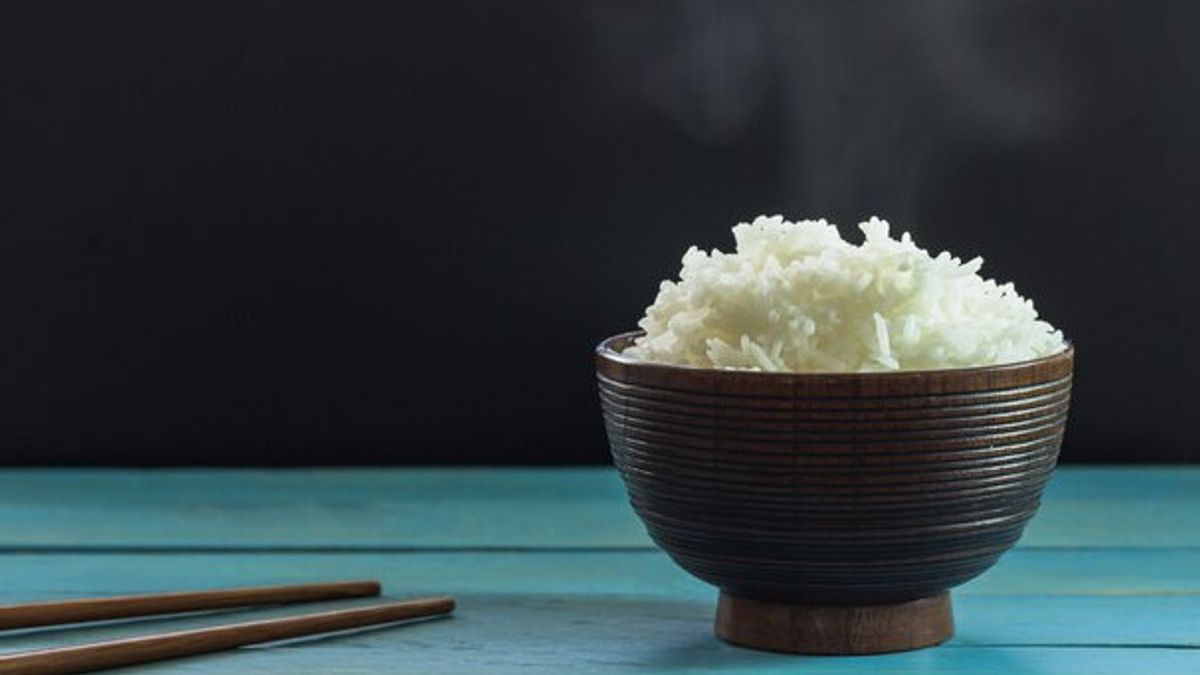
When salted fish are consumed together with hot rice, hot steam from rice will bring kalausamine found in salted fish. This vapor can enter the body through the digestive tract, moreover, the hot vapor rising from rice can directly lead to the throat, esophagus, and even the stomach. The exposure of Barisamine in these areas risks causing changes in cells that have the potential to develop into cancer, one of which is nasopharypharyngeal cancer.
"Because we usually eat salted fish with hot rice. Soisiamine in salted fish will be carried away by hot rice vapor which usually gets esophagus, throat walls, and even stomach," said dr. Ema Surya Pertiwi, general practitioner and influencer, quoted by VOI from the YouTube channel dr. Emasuperr on Saturday, February 22.
SEE ALSO:
-
 | INFO SEHAT
7 Manfaat Berjalan Kaki 40 Menit Setiap Hari untuk Kesehatan Tubuh
22 Februari 2025, 08:23


This is the reason why the combination of salted fish and hot rice should be watched out for, especially in excessive consumption.
Exposure toxiquitousamine in salted fish will be even more dangerous if combined with smoking habits. Smoking itself contains massalosamine, which if inhaled can directly enter the body and worsen the effects of exposure to wajahsamine from food. Steam from cigarettes can also be included in nasopharying and worsen the potential for nasopharyngeal cancer.
"Moreover, eating salted fish is combined with smoking. Smoking also containsluminium, steam can enter nasopharyngeal and there is epstein bare viral infection, where this virus can be transmitted with saliva with symptoms of fever, sore throat, inflammation of lymph nodes in the neck, that triggers nasopharyngeal cancer," said dr. Ema.
Not only that, another risk factor that must be watched out for is the presence of the Epstein-Barr virus (EBV) infection. This virus, which is generally transmitted through saliva, can cause symptoms such as fever, sore throat, and swelling of lymph nodes in the neck. This infection also plays a role in triggering the development of nasopharyngeal cancer. Therefore, consuming salted fish in an EBV infected body can be very dangerous and increase the risk of nasopharyngeal cancer.
Dr. Ema Surya Pertiwi emphasized that for those infected with the EV, it is highly recommended to avoid consuming salted fish.
"So my friends have Epstein-Barr infection with the virus, so it is very, very not recommended to eat salted fish. In order to reduce the risk of nasopharyngeal cancer," he said.
In addition tofeasibility factors, there are other threats lurking in the consumption of salted fish, namely the use of harmful preservatives such as formaldehyde. Formalin is often used by naughty traders to maintain the freshness of salted fish and prevent too fast decay. However, the use of formaldehyde in salted fish is very dangerous for health, especially if consumed in the long term.
"Usually many naughty traders provide preservatives or formaldehyde so that salted fish do not rot easily. This Formalin can increase the risk of dangerous diseases," said Dr. Ema.
To find out whether salted fish contain formalin or not, there are several characteristics that can be considered. Salty fish containing formaldehyde will generally last more than one month without being damaged at normal temperatures, appear cleaner and brighter, do not have a distinctive odor of salted fish, a hard texture, wet parts of the inside, and the flies are not interested. In addition, the smell of salted fish containing formaldehyde will feel neutral or not typical.
Of course, that doesn't mean salt fish should be completely avoided. Salted fish can still be a delicious and nutritious choice of side dishes if consumed wisely. Dr. Ema Surya Pertiwi provides wise advice on the consumption of salted fish.
"You can (eat salted fish) as long as you don't eat it often. Eating every 2 weeks or once a month is still considered normal and normal for the body. However, if you eat salted fish more than 3 times a week, it increases nasopharyngeal cancer." he said.
Consumption of salted fish in a reasonable and not excessive amount is the key to reducing the risk of nasopharyngeal cancer and other dangerous diseases. Don't forget to always make sure that the salted fish you consume comes from trusted sources and does not contain harmful preservatives.
The English, Chinese, Japanese, Arabic, and French versions are automatically generated by the AI. So there may still be inaccuracies in translating, please always see Indonesian as our main language. (system supported by DigitalSiber.id)
Most Popular Tags
#Prabowo Subianto #donald trump #Febrie Adriansyah #8791 #giias 2026Popular


