
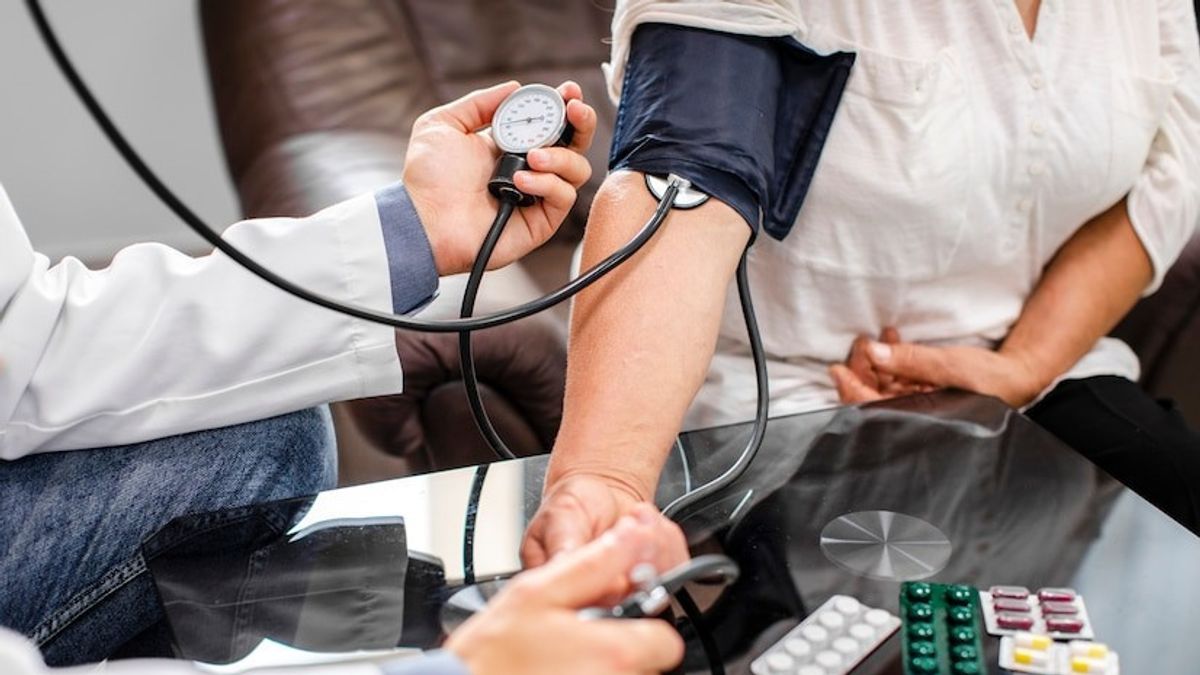


Hypertension or high blood pressure is a common health condition and can have serious impact if not treated. There are two types of hypertension, namely primary and secondary.
Although both cause blood pressure to increase, the causes and methods of management are different. This article will explain the differences in primary and secondary hypertension fundamentally.
Reporting from the bethandhowardbramd page, here are some things to know about primary and secondary hypertension:
When people talk about chronic high blood pressure, they usually refer to primary hypertension. This is due to primary hypertension, also called essential hypertension, accounting for about 95% of hypertension.
Primary hypertension does not have a definite cause, but certain risk factors increase the chances of you being exposed to this condition, including:
Since high blood pressure can develop for no reason that can be identified, it is important to evaluate your blood pressure at least once a year. Early diagnosis facilitates early treatment, which can stop further damage to your blood vessels.
Also read articles discussing Differences in HMPV and COVID-19: Early Found, Symptoms, And Drugs
Unlike primary hypertension, secondary hypertension develops due to the underlying medical condition or disease. Secondary hypertension is rare, and affects only about 5% of people with chronic high blood pressure.
Some of the underlying diseases include secondary hypertension, ranging from, kidney, adrenal, hyperparatiroidism, thyroid, narrowing of aorta, and obstruction sleep apnea.
In addition, side effects from some drugs can also contribute to secondary hypertension, including birth control pills, non-steroid anti-inflammatory drugs (such as ibuprofen and mitigation), stimulants, some antidepressants, dekongestans, and dietary pills.
Both primary and secondary hypertension can occur and have no symptoms or specific signs. These various symptoms can occur when your blood pressure is very high, ranging from unsuccessful treatment (even though previously successful), blood pressure becomes very high, and there is no family history of hypertension.
In addition, secondary hypertension symptoms can also occur when the beginning of sudden hypertension begins before the age of 30 or after 55, and the patient is not obese.
If you have one of these signs of secondary hypertension, then you should discuss it with a health care provider or doctor.
Generally, the treatment and care of hypertension will consider various medical history, lifestyle, and types of your blood pressure. Then for patients with secondary hypertension, it is very important to treat or manage the underlying medical condition.
SEE ALSO:
-
 | LIFESTYLE
Dipenuhi Aura Mistis, Harry Halim Tampilkan Karya Tajam dan Berani Lewat Tajuk Redemtion
04 November 2024, 20:55 -
 | LIFESTYLE
Permudah Wisatawan, Penerbangan Perdana Wakatobi-Makassar Dibuka, Ini Kata Kemenparekraf
04 November 2024, 10:55


In addition, many treatments for primary hypertension are also effective in controlling secondary hypertension. Among them:
In addition to differences in primary and secondary hypertension, follow other interesting articles too. Want to know other interesting information? Don't miss it, keep an eye on the updated news from VOI and follow all the social media accounts!
The English, Chinese, Japanese, Arabic, and French versions are automatically generated by the AI. So there may still be inaccuracies in translating, please always see Indonesian as our main language. (system supported by DigitalSiber.id)
Most Popular Tags
#Prabowo Subianto #donald trump #2026 World Cup #venezuela #konflik timur tengahPopular


