
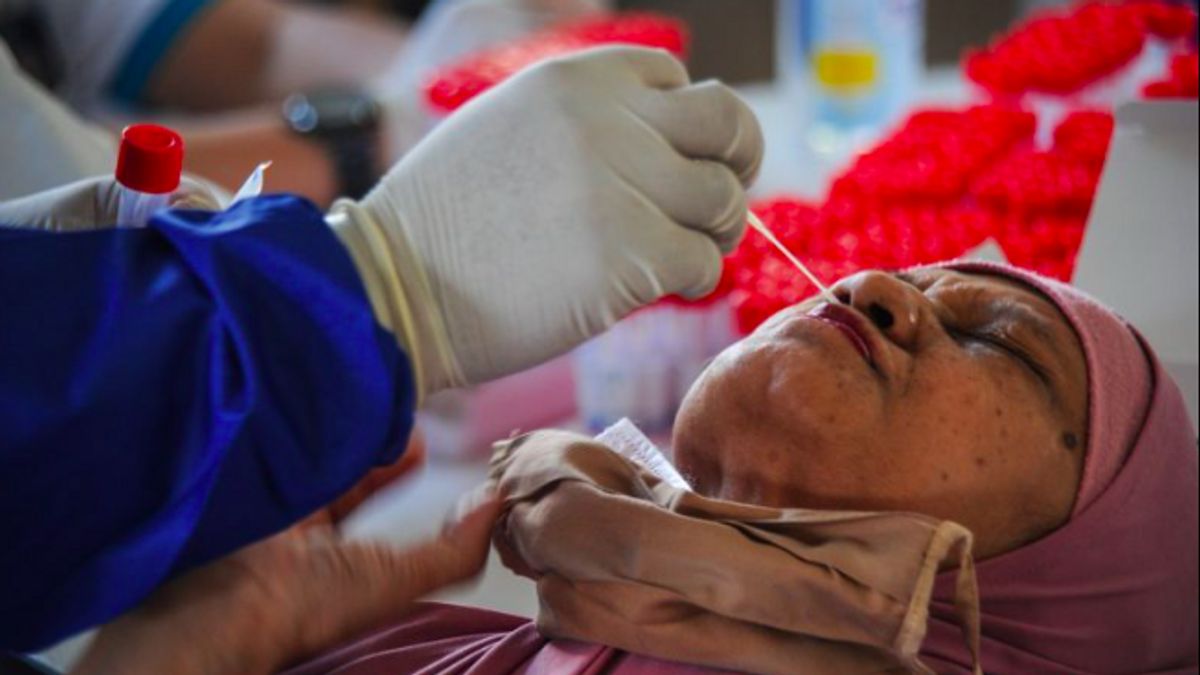


JAKARTA - RSUI's pulmonological and medical respiration specialist, dr. Irandi Putra Pratomo, Ph.D., Sp.P(K), FAPSR, FISR, FISQua, explained that the PCR nose swab method can be used to detect the presence of the Human Metapneumovirus (HMPV) virus.
In a virtual discussion on HMPV which took place in Jakarta on Tuesday, dr. Irandi said that the nose swab using the PCR method is a standard examination to identify the type of virus that attacks the respiratory tract, especially those that spread through the air when a person shows symptoms of respiratory infection.
In the HMPV case, the process is similar. When a person experiences respiratory symptoms such as fever, chills, and shortness of breath, the ideal step is to do a nose swab examination, then proceed with a PCR test to determine the type of virus," he explained as quoted by ANTARA.
The PCR work process involves sampling from the nasal cavity which is then analyzed in the laboratory to detect the presence of the virus. This method is not only capable of detecting one type of virus but also several types at once, such as COVID-19, influenza, and HMPV, especially through PCR multiplex techniques.
According to dr. Irandi, the advantage of this method is its ability to detect the virus earlier so that treatment can be carried out immediately, reducing the risk of symptoms getting worse during the virus incubation period which is usually around 36 days.
SEE ALSO:
-
 | LIFESTYLE
Kabar Baik, China Laporkan Penurunan Kasus HMPV setelah Dikhawatirkan Jadi Pandemi
14 Januari 2025, 10:25 -
 | INFO SEHAT
7 Minuman Peningkat Imunitas Tubuh untuk Cegah Penularan Virus HMPV
10 Januari 2025, 12:55 -
 | INFO SEHAT
Waspada Infeksi HMPV, Ini 5 Tips Efektif untuk Mencegah Penularan
08 Januari 2025, 15:25


The PCR test is effective enough to determine the type of virus that causes symptoms. This diagnostic tool can detect viruses such as Influenza, RSV, MPV, or SARS-CoV-2. This is enough to help with the diagnosis process," he added.
However, dr. Irandi emphasized that until now there has not been a specific drug or vaccine to treat HMPV infection. The treatment provided is only symptomatic, namely to relieve symptoms such as fever, inflammation, and shortness of breath. He also mentioned that vaccine development for HMPV is not yet a priority in the near future.
As a precautionary measure, dr. Iran advised the public to maintain a healthy lifestyle, eat nutritious food, and increase endurance.
In addition, it is important to avoid contact with individuals who are sick, especially those who have a history of traveling abroad, in order to minimize the risk of disease transmission.
He also reminded that if symptoms such as fever and chills do not improve after 36 days even though they have been treated, they should immediately consult an Emergency Installation (IGD).
Especially for the elderly with comorbid conditions such as diabetes, it is important to ensure that blood sugar levels remain stable. Meanwhile, sick children are advised to rest at home and avoid crowded places.
The English, Chinese, Japanese, Arabic, and French versions are automatically generated by the AI. So there may still be inaccuracies in translating, please always see Indonesian as our main language. (system supported by DigitalSiber.id)


