

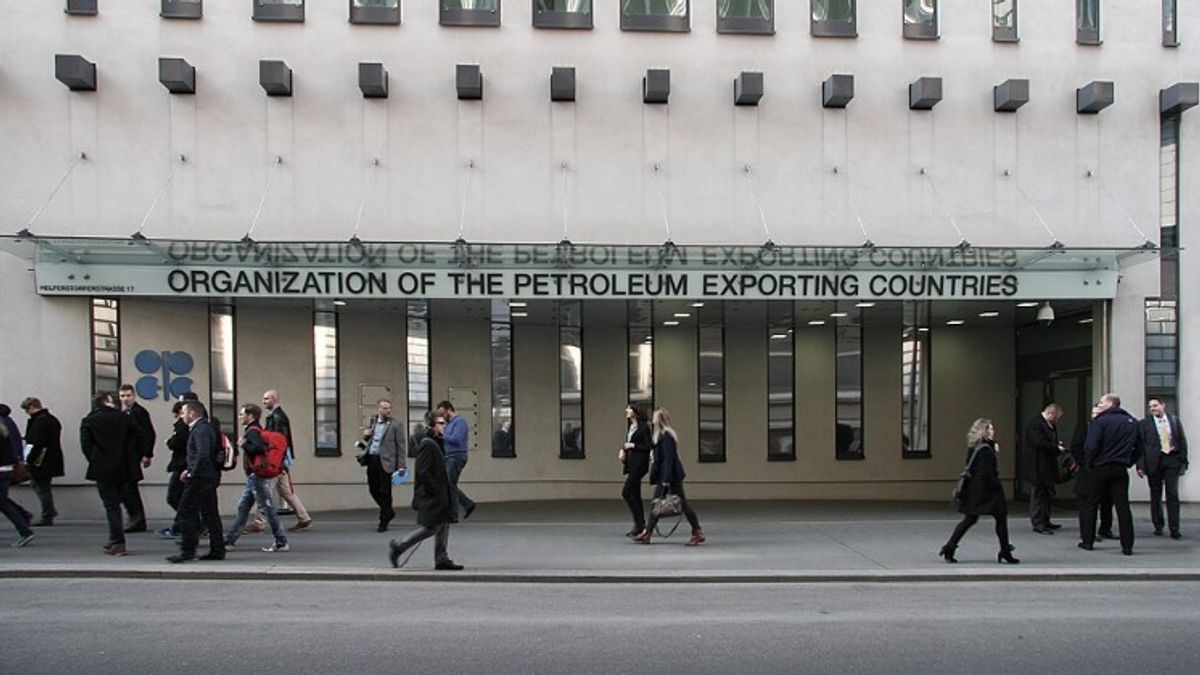


JAKARTA - The United Arab Emirates (UAE) announced its withdrawal from OPEC starting May 1. This decision was announced through the UAE government's news agency, WAM, as reported by Arab News quoted Wednesday, April 29.
The UAE called the move a long-term strategic decision. The reason is that the country's economic direction and energy profile continue to change.
In its official statement, the UAE said the decision was also related to accelerating investment in domestic energy production. The UAE confirmed that it remained committed to playing a responsible and reliable role in the global energy market.
However, for the oil market, this decision is still important, even if it is delivered in diplomatic language.
OPEC for decades has been an important forum for oil-producing countries in regulating supply. Therefore, the exit of the UAE will still be noted by the market, even though the UAE did not mention that it would immediately change its production policy.
Al Arabiya, as quoted by Arab News, reported that the UAE confirmed that the decision did not change its commitment to the stability of the world oil market. The UAE called the move a "sovereign national decision" based on its strategic and economic vision.
So far, there has been no official statement that the UAE will increase production after leaving OPEC. However, this decision still raises questions, how much new room will Abu Dhabi use in regulating its national energy?
The English, Chinese, Japanese, Arabic, and French versions are automatically generated by the AI. So there may still be inaccuracies in translating, please always see Indonesian as our main language. (system supported by DigitalSiber.id)
Popular


