



JAKARTA - The increase in plastic prices due to the conflict in the Middle East has sparked concerns among industry players, especially the food and beverage (mamin) sector which is highly dependent on plastic packaging.
This condition is feared to trigger an increase in the selling price of plastic packaging mamin products to consumers, alias end users.
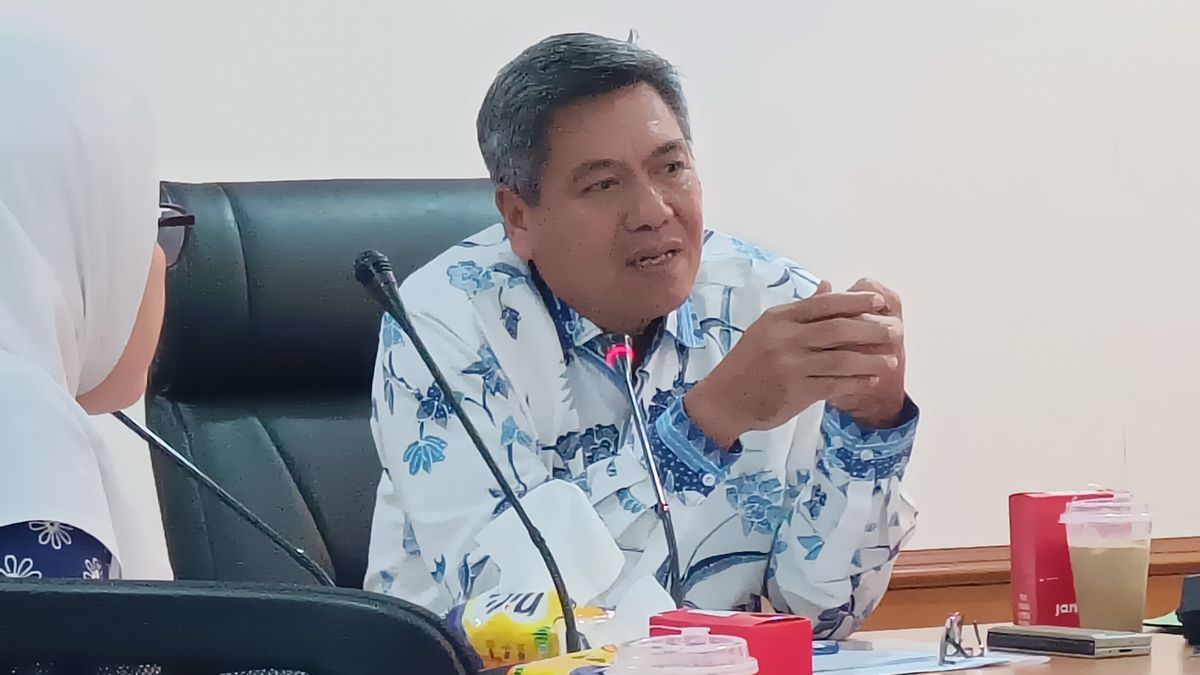
Acting Director General of Agro Industry, Ministry of Industry, Putu Juli Ardika, said that the current conditions on the ground have not reached the stage of stock scarcity, but are still limited to concerns that are developing in the community.
"Actually, what exists is only a concern, especially the food and beverage industry is worried that this stock will be one to two months, how to fill it," said Putu when met at his office, Tuesday, April 21.
Even so, the results of a coordination meeting between the Ministry of Industry (Kemenperin) and plastic industry players not long ago showed a relatively controlled condition.
In the meeting, industry players ranging from raw material manufacturers to packaging processors ensured that supplies were still available.
"What we caught from the discussion was that there was a problem a few weeks earlier regarding the availability of raw materials. However, at the meeting, all industry players said it was available," he said.
Putu added that there is currently no debate regarding the availability of plastic raw materials, both in the form of plastic seeds and finished materials for packaging.
However, the potential for price increases remains a concern. One of the reasons is the cost factor of imported raw materials such as LPG feedstock which is subject to import duties. The government is also studying various policy options to mitigate price pressures.
"The important thing is availability first. The price will be solved later, for example, whether the import duty can be exempted temporarily or borne by the government," he said.
The Ministry of Industry has started to encourage the diversification of plastic packaging as a medium-term step.
One of them is through increased use of paper-based packaging (paperboard) which is considered increasingly competitive.
In the food packaging sector, around 48 percent is still dominated by plastic-based flexible packaging, while paper packaging has reached 28 percent.
"This paper-based one can still be used a lot. This is what we are pushing through business matching between users and producers," he said.
In addition to paper, the government has also begun to encourage the use of glass-based packaging, which currently has a relatively small proportion, namely in the range of three percent.
In the future, continued Putu, its use is targeted to increase by up to six percent as a step to strengthen the domestic industry.
"Now it's starting to trend again to use glasses (glass). If this can be improved, it will also encourage our glass industry," he concluded.
The English, Chinese, Japanese, Arabic, and French versions are automatically generated by the AI. So there may still be inaccuracies in translating, please always see Indonesian as our main language. (system supported by DigitalSiber.id)
Most Popular Tags
#Prabowo Subianto #donald trump #2026 World Cup #Febrie Adriansyah #8791Popular


