

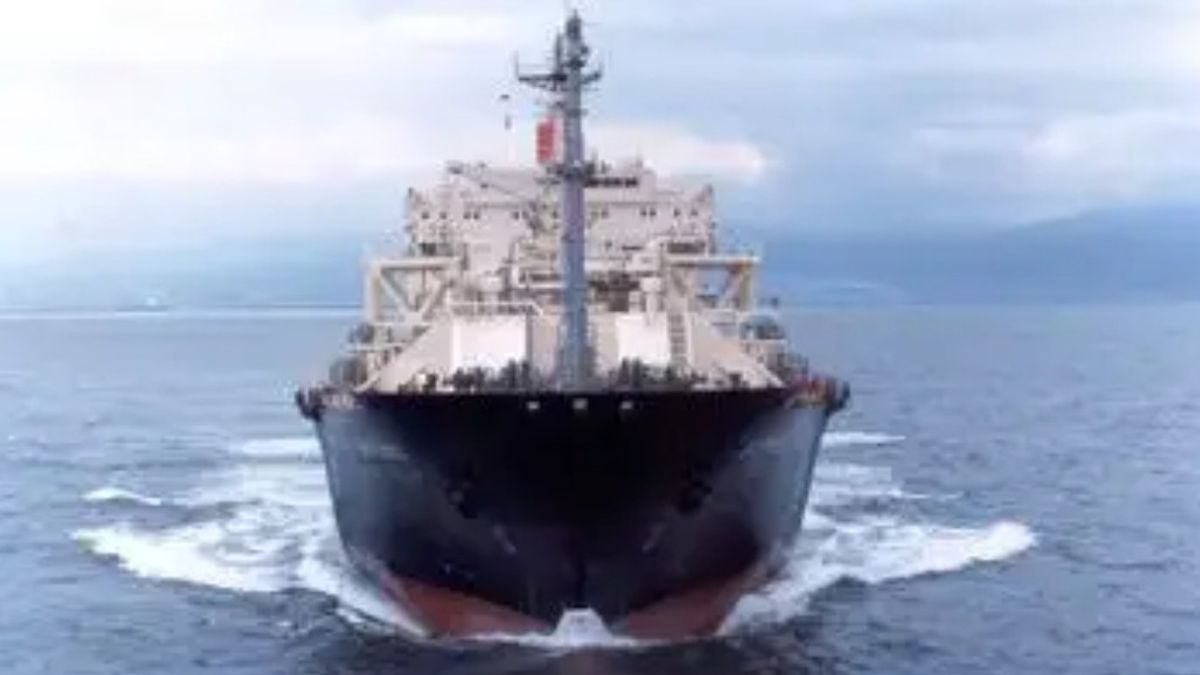


JAKARTA - Iran's blockade of the Strait of Hormuz is now really disrupting the world's energy routes. At least 2,190 merchant ships were stranded in the Gulf area until Wednesday, including more than 320 oil and gas tankers. The normally busy traffic suddenly dragged. In two days, only six ships were able to pass.
The latest maritime data shows, as quoted from Arab News, Thursday, April 2, the number has dropped sharply from the normal condition of reaching around 120 ships per day in peacetime. The ships that are held include 12 giant gas carriers and 50 very large crude oil tankers. The jam is not just shipping, but one of the world's main energy supply routes.
Arab News wrote, Iran is now tightening the line, which is usually passed through about 20 percent of the world's oil and gas. This figure explains why the world is tense. The Strait of Hormuz is not a normal route. Once stuck, the impact can spread to many countries.
Ships allowed to pass are directed through a special corridor near Larak Island, off the Iranian coast. However, the path is not open wide for everyone. Lloyd's List noted that at least 48 ships have used the route since last week, and most of them are related to Iran or countries that have good relations with Tehran.
The problem does not stop there. A number of escaped ship owners are said to have to pay fees of up to 2 million US dollars. The collection is even nicknamed "Tehran toll". Even so, Iran signaled that the fee could be waived for friendly countries such as Malaysia.
Arab News also reported that the Malaysian government said Petronas-owned vessels, Sapura Energy, and MISC were still waiting for permission. China also confirmed that at least three of its ships had managed to pass after coordinating with the parties concerned. Two Chinese container ships were only able to leave the Gulf on the second attempt.
In the midst of this situation, some of the crew chose a risky way, namely sailing at night or turning off the tracking transponder to avoid the threat of mines, missiles, and drones. Arab News also noted that energy exports from major producers such as Saudi Arabia and Qatar in practice are still stalled.
And it's not just the ships that are stuck. About 20,000 sailors are still stuck in and around the Gulf. Britain has started pushing talks with about 35 countries. China and Pakistan called for a ceasefire. Meanwhile, US President Donald Trump again demanded Iran open the blockade, accompanied by the threat of military action if Tehran continued to close the route.
The English, Chinese, Japanese, Arabic, and French versions are automatically generated by the AI. So there may still be inaccuracies in translating, please always see Indonesian as our main language. (system supported by DigitalSiber.id)
Most Popular Tags
#Prabowo Subianto #donald trump #Febrie Adriansyah #8791 #giias 2026Popular


