


JAKARTA - The life of the Bedouin people in the interior of Banten is closely related to local wisdom in managing nature. Forest resources, customary land, and hereditary knowledge make them able to survive with a simple but sustainable agricultural system.
One form is the use of field land to plant various commodities, including kencur, ginger, and bananas, which are now the main pillars of the Bedouin family's economy.
"The Bedouin people have been traveling since the past week to accelerate planting kncur, ginger and bananas, because they entered the eighth month's traditional calendar," said Kanekes Village Secretary, Lebak Regency, Medi, when contacted in Rangkasbitung, Lebak, as quoted by ANTARA.
Kencur, ginger, and bananas plants are planted in traditional customary lands and rented land outside traditional areas. These three commodities are the mainstay of the Bedouin community's economy because they can be harvested within about a year.
The Bedouin community, which consists of 7,500 families in 68 villages including the Dalam Bedouin, usually begins planting these three main commodities in the eighth month according to the traditional calendar. Furthermore, entering the ninth month or around October 2025, they will work on huma rice.
The system used is an overlapping of juice, where in one area there are various commodities at once, such as kencur, ginger, bananas, corn, chilies, terung, rice Huma, to albasia. According to Medi, this method allows the yield of tiered harvests from monthly to annual, so as to support the economic needs of the family.
SEE ALSO:
-
 | INFO SEHAT
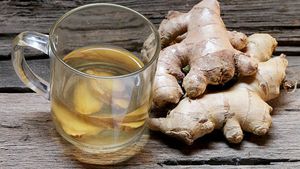
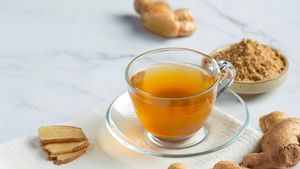
Manfaat Minum Air Rebusan Jahe, Salah Satunya Jaga Otak Tetap Sehat!
27 Agustus 2025, 06:55
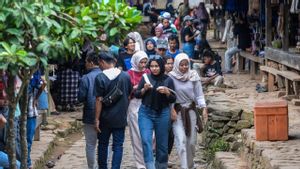
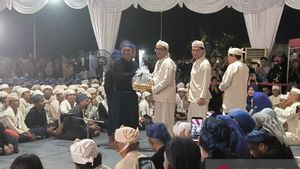
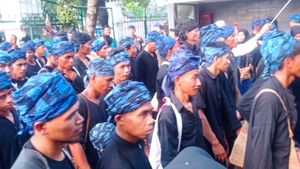
The price of agricultural products is also quite promising. Medi said the current price of kncur reaches Rp. 25,000 per kilogram, ginger is Rp. 15 thousand per kilogram, while bananas vary depending on the type, such as ambon bananas which reach Rp. 50,000 per bunch. With the yield of 1 tonne of kncur per hectare, farmers can get Rp. 25 million per harvest.
"I think kncur komoditas saja sudah bisa membawa kesejahteraan keluarga dan belum ditambah pendapatan tanaman lainnya," ujarnya.
Pulung, one of the Bedouin farmers, said he relied on kencur, ginger, and bananas as an annual source of income. "Last year we produced four quintal harvests and sold for IDR 25,000 per kg, so we got IDR 10 million," he said.
The chairman of the Badui Young Farmers Prayer Community, Santa, said that his group, which consists of 25 people, now manages 25 hectares of land with a lease system from Perum Perhutani. Currently, they are planting kencur, ginger, and bananas in the forest area of Blok Cicuraheum, Gunungkencana. We grow agriculture in the field can generate family economic income and food security," he said.
Head of the Production Division of the Lebak Regency Agriculture Service, Deni Iskandar, added that the Bedouin community's agricultural products have superior quality. "We guarantee the quality of Bedouincur is better without using chemical fertilizer," he said.
The English, Chinese, Japanese, Arabic, and French versions are automatically generated by the AI. So there may still be inaccuracies in translating, please always see Indonesian as our main language. (system supported by DigitalSiber.id)


