



YOGYAKARTA - In the world of dynamic and uncertainty production, maintaining operational smoothness is the main key. One of the important strategies that are often applied is the use of buffer stock.
Having a central role in a manufacturing industry, this article will thoroughly explore the concept of buffer stock, ranging from definitions, functions, to tips for its application in the production of goods.
Reporting from the netizen page the buffer stock or 'Buffer Stock' is a term for an excess inventory stored by a company.
Often retailers or producers, to meet unexpected or sudden short-term demand increases, such as during the holiday season or promotion period.
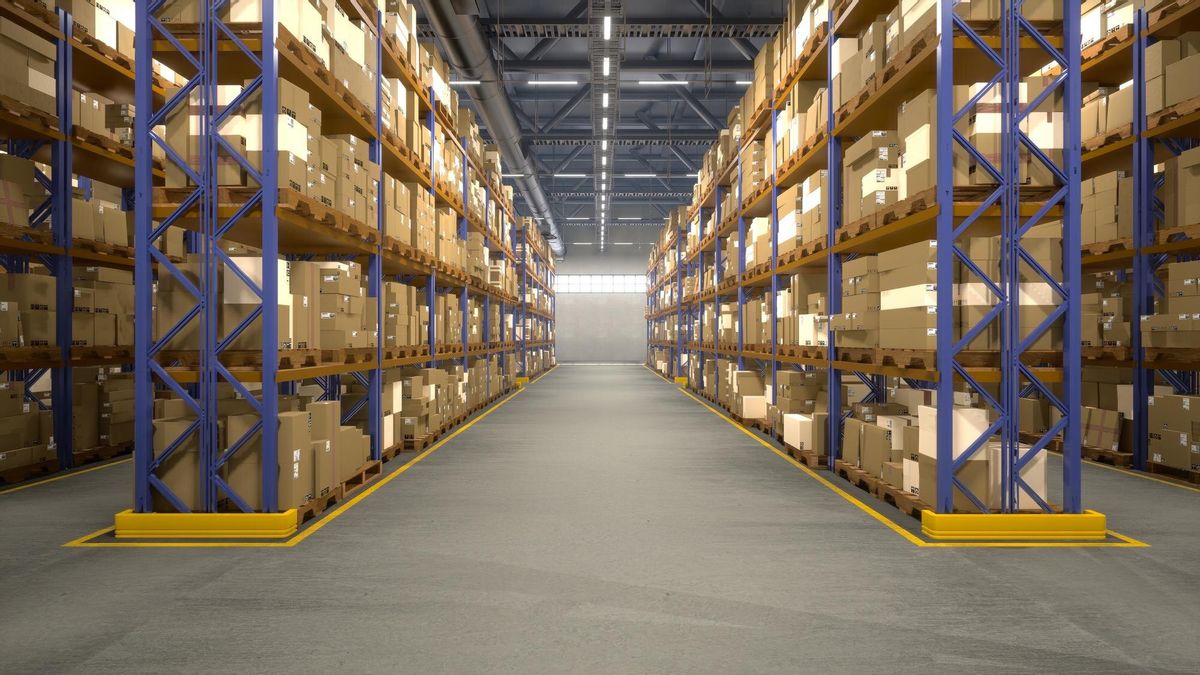
This additional inventory can be in the form of finished goods that are waiting to be sent or sold by retailers, or raw materials in producer facilities, helps companies to continue to meet customer demands.
In some cases, changes in demand can be predicted, for example, not many people bought artificial Christmas trees in June. In other cases, a sudden spike in demand came without warning, as happened to toilet paper during the pandemic.
Having a buffer stock against things that cannot be predicted ensures that businesses can accommodate increasing demand at reasonable and timely costs.
Easily buffer stock can be understood as: an inventory that the company maintains specifically to address the unanticipated increase in customer demand.
However, saving a buffer stock also creates certain costs and risks. Therefore, it is important to have a good inventory management system and to explore the best processes and calculations to determine when and how to invest.
Markets are often unpredictable. Buffer stock can serve as a protection to prevent shortages when an unanticipated spike in demand occurs.
While storing additional inventory without a clear idea of when it might cost you a fee, it can offer some valuable benefits, including:
The sudden increase in demand may seem like a good thing, but the shortage and run out of stock, whether goods for sale or raw materials, spare parts, or components, is not the case.
The demand forecast may miss, so the supply of the buffer could be a great method to prevent running out of what is needed.
Also read the article discussing Roll Banner Size for Your Business
Running out of stock can cause greater costs due to orders at the last minute and hasty delivery. Maintaining the buffer stock level can stabilize costs, thereby improving financial performance.
Companies that buy additional goods or materials are profits for their suppliers. In some cases, suppliers will offer their customers a cost-saving as an incentive to make larger bookings.
Saving additional stocks to keep up with the unanticipated increase in demand helps keep the production line smooth. After all, running out of materials needed to stop production suddenly.
Unstability in production will definitely have an impact on producing employees. The company may have to repatriate workers if they run out of material to maintain production continuity.
Therefore, maintaining the buffer stock level can have a positive impact on employee retention.
Apart from understanding the buffer stock, follow other interesting articles too. Want to know other interesting information? Don't miss it, keep an eye on the updated news from VOI and follow all the social media accounts!
The English, Chinese, Japanese, Arabic, and French versions are automatically generated by the AI. So there may still be inaccuracies in translating, please always see Indonesian as our main language. (system supported by DigitalSiber.id)


