
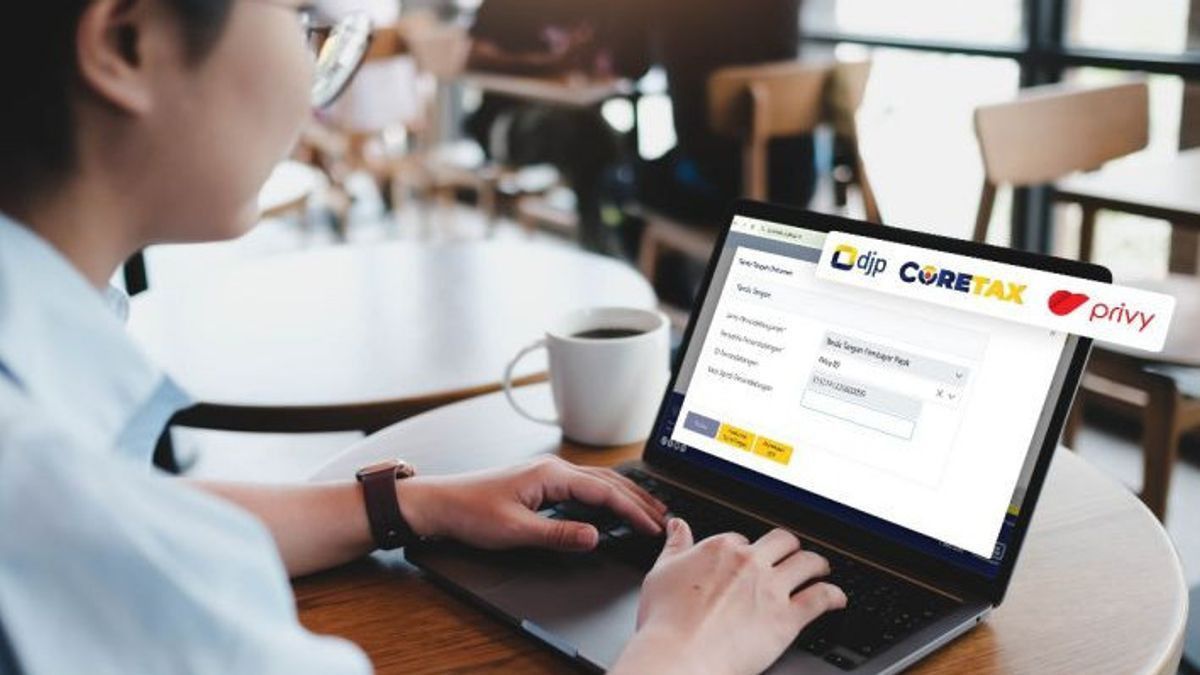


YOGYAKARTA - Along with the implementation of the digital taxation system by the Directorate General of Taxes, taxpayers (WP) must now adapt to the new taxation system, namely Coretax. One of the important components of the system is the Invoice Code. The code has an important role because it is directly related to the validity of the value added tax (VAT) transaction that is reported electronically.
For Taxable Entrepreneurs (PKP), understanding the tax invoice code is not only about administrative compliance, but also to avoid reporting errors that can have an impact on tax penalties. Therefore, proper understanding is very important.
Tax Invoice Code Latest Tax SystemIt is worth noting that the tax invoice code is a numeric code that is listed on the tax invoice. Its function is as a marker of the type of VAT transaction. In the Coretax system, the code is used to classify transactions automatically so that they can be processed, validated, and monitored by the DJP digital taxation system.
With Coretax, the use of tax invoice codes becomes more standardized. This system will read the code to determine whether the transaction includes domestic delivery, export, special transactions, or other types regulated in tax provisions.
In the implementation of Coretax, the Directorate General of Taxes, the tax invoice code does not change, alias remains two digits. In general, there are several main invoice codes that are most often used by Tax Payers (PKP), namely as follows.
Code 0101 is the most common code and is very often used in ordinary sales transactions. This code is used in the delivery of Taxable Goods (BKP) or Taxable Services (JKP) whose VAT is collected by the seller's PKP.
Code 02This code is used in the submission of BKP or JKP to the PPN collector. Examples of PPN collectors are government agencies, SOEs, or designated business entities.
Code 03Used for the submission of BKP or JKP whose PPN is not collected. This case usually occurs due to certain transactions that receive special treatment according to tax regulations.
Code 04Code 04 is used for the submission of BKP or JKP with a Tax Assessment Base (DPP) of another value. For example, certain transactions that do not use the selling price as the basis for the imposition of VAT so that they use this code.
Code 06Other transfers that are specifically regulated by tax provisions can use code 06. This code is usually used in certain conditions that are not included in the general transaction category.
Code 07The use of code 07 is carried out in the activity of handing over BKP or JKP whose PPN is not collected. This condition usually occurs because there are certain tax facilities, for example activities in areas or activities determined by the government.
Code 08The submission of BKP or JKP that is free of VAT uses code 008. That way, the reporting of transactions is still carried out, it's just that it is not subject to VAT.
Code 09Used for the transfer of assets that according to the provisions are not for sale, such as the transfer of certain company assets.
That's the information related to the tax invoice code of the Coretax system. Visit VOI.id for other interesting information.
The English, Chinese, Japanese, Arabic, and French versions are automatically generated by the AI. So there may still be inaccuracies in translating, please always see Indonesian as our main language. (system supported by DigitalSiber.id)
Most Popular Tags
#Prabowo Subianto #donald trump #Febrie Adriansyah #8791 #giias 2026Popular


