
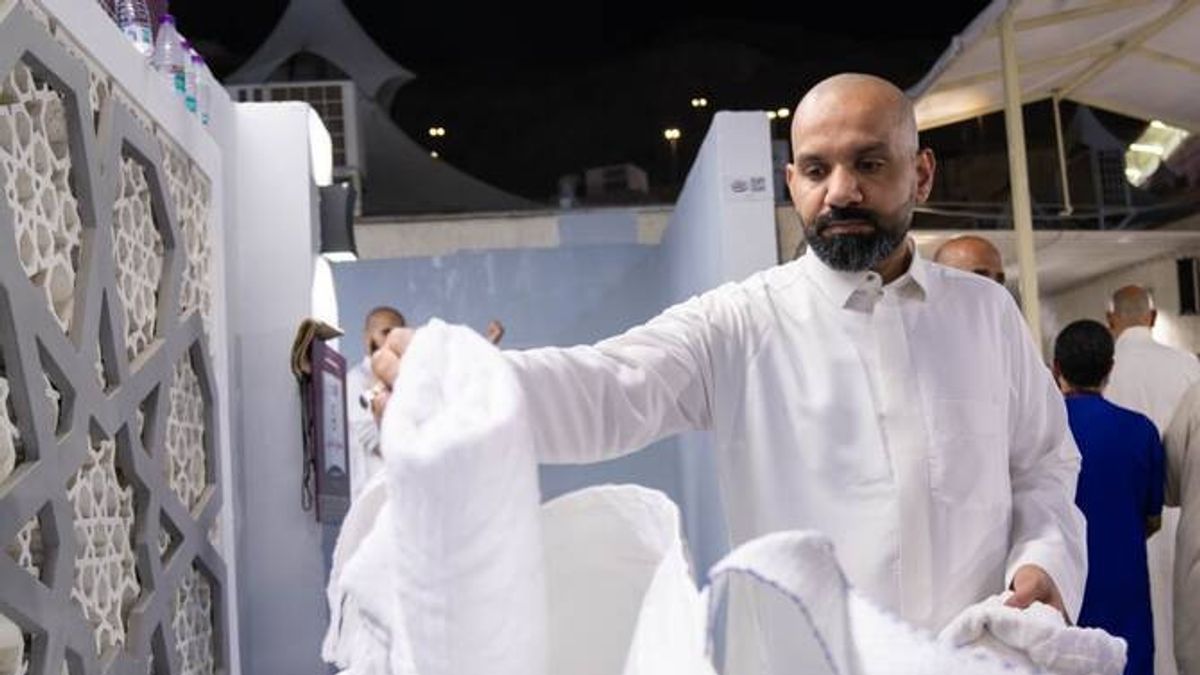


JAKARTA - The Sustainable Ihram Initiative has produced thousands of products to reduce carbon emissions, in line with the Saudi 2030 vision.
The spokesperson for the Sultan Al-Harthi National Waste Management Center explained, "This initiative is in direct line with programs under the Saudi Vision 2030, especially the National Transformation Program and the Quality of Life Program.
He noted that this initiative strengthens social responsibility, supports the sustainability of the national economy, and empowers the non-profit sector through increased participation of women in employment and production.
"This initiative contributes to creating a cleaner environment, enriching the experience of pilgrims, and supporting the objectives of the Pilgrim Experience Program," Al-Harthi said, quoted by Arab News (29/5).
Regarding the economic impact, Al-Harthi stated that the manufacture of more than 5,000 products from recycled ihram has directly contributed to reducing transportation and waste disposal costs, while generating added value from recovered materials.
This initiative also creates 30 seasonal job opportunities and empowers 25 tailors from productive families, which further supports the concept of a circular economy.
In terms of the environment, more than 211 tons of textiles have been diverted from landfills, contributing to measurable carbon emission reductions during the Hajj season.
At the social level, more than 200,000 beneficiaries are involved in the accompanying awareness campaign, which aims to raise environmental awareness and increase community participation among pilgrims.
During Hajj, Ihram consists of two clean white pieces of cloth without stitches, which are worn exclusively by men. Women wear their usual modest clothing, leaving their faces and hands open.
The state of ihram is ended after throwing Jamarat Al-Aqaba and shaving or cutting hair on the 10th day of the month, and then completely ended after completing Tawaf Al-Ifadah. At that time, the congregation took off the ihram cloth and put on ordinary clothes.
Al-Harthi explained that the operational system of this initiative began with the collection of textiles from designated collection points throughout the holy sites, followed by strict sorting procedures.
The materials are then subjected to special cleaning and sterilization processes in accordance with the appropriate health standards to ensure that the materials are free from dirt or damage before being reused.
It is emphasized, this procedure ensures the safety and quality of the final product, because no material enters the production phase before completing all sterilization and processing processes.
The spokesperson also noted that partnerships with 22 entities had strengthened the sustainability of this initiative, highlighting that cross-sector integration had been a key factor in its success.
Regarding behavioral changes, Al-Harthi observed a continuous increase in the rate of ihram donations each season, reflecting increased environmental awareness and wider acceptance of recycling practices among pilgrims.
He added that the National Waste Management Center is also working to turn excess food into organic compost as part of a broader direction towards expanding the circular economy and waste management initiatives.
Ihram clothing in Islam symbolizes equality and transcends social class differences, as all men wear the same white clothing.
The color white also symbolizes purity, and obeying the ban symbolizes self-discipline.
Overall, Ihram expresses unity and humility during the performance of the ritual.
Al-Harthi said one of the important lessons learned was that effective partnerships can turn waste into a valuable resource, a model that can be replicated in various other projects across the Kingdom.
He reiterated his party's commitment to developing sustainable waste management solutions, noting that the Sustainable Ihram initiative is a pioneering model for future programs.
The center continues to transform the Hajj textiles into various products, including bags, pillows, blankets, and souvenirs, maximizing the utilization of resources during each season.
This circular economy approach shows that waste can be a valuable resource when supported by clear operational systems and effective partnerships.
Integration between government, private sector, and non-profits is also very important in achieving sustainable environmental, social, and economic impacts.
Al-Harthi concluded by stressing that the increasing number of pilgrims who contributed to ihram reflects a positive shift in behavior and environmental awareness during the Hajj season.
These efforts demonstrate the role of the National Waste Management Center in developing innovative waste management solutions and turning challenges into opportunities for a more sustainable future in Saudi Arabia.
The English, Chinese, Japanese, Arabic, and French versions are automatically generated by the AI. So there may still be inaccuracies in translating, please always see Indonesian as our main language. (system supported by DigitalSiber.id)
Most Popular Tags
#Prabowo Subianto #donald trump #Febrie Adriansyah #8791 #giias 2026Popular


