

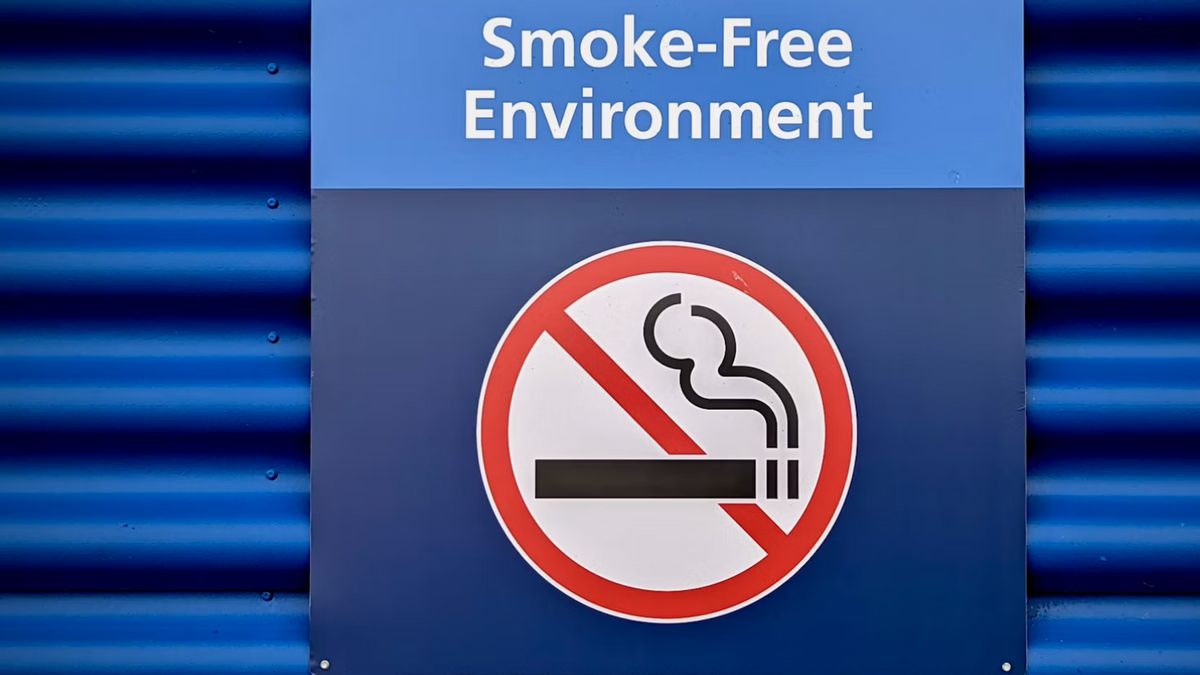


JAKARTA - The World Health Organization (WHO) encourages the Indonesian government to increase the protection of children and adolescents from tobacco and nicotine addiction, including through a ban on electronic cigarettes to implementing pictorial health warnings on packaging.
"Electronic cigarettes and other nicotine products are harmful. These products are deliberately designed to attract young people and create addiction. Protecting young generations from nicotine addiction is very important to maintain Indonesia's future," said WHO Representative for Indonesia Dr. N. Paranietharan as quoted by ANTARA, Friday, May 29.
Therefore, WHO Indonesia strongly supports the call to ban electronic cigarettes completely as a necessary step to prevent an increase in use among young people, who are actively targeted by the industry. By taking this step, Indonesia will join the growing number of countries that have taken firm action against these products.
Globally, more than 40 countries have banned vaping, including many countries in Southeast Asia such as Singapore, Brunei Darussalam, Thailand, Myanmar, Vietnam, Laos, Cambodia, and East Timor.
The WHO also urges that the draft Regulation of the Minister of Health concerning tobacco packaging and labeling be immediately enacted. If passed, this regulation will require larger pictorial health warnings on tobacco packaging. Strong and large warnings have been shown to be effective in reducing the attractiveness of tobacco and nicotine products and increasing awareness of their dangers.
"This is an urgent obligation because Government Regulation No. 28 of 2024 requires its implementation by the end of July 2026, less than two months away," said Paranietharan.
To meet the government's obligation to protect young people and secure Indonesia's future prosperity, WHO also calls for political commitment to create a tobacco-free generation as a sure step towards the end of the tobacco era, for example, the Maldives which has banned the sale of tobacco to anyone born from 2007. England has also passed similar regulations for citizens born in 2009 and later.
"These bold steps will decisively break the cycle of addiction. Indonesia needs to act now. Let's end the dangers of tobacco and nicotine, and protect future generations," said Paranietharan.
Indonesia continues to face a high burden of tobacco use. At the same time, new threats emerge as more young people use electronic cigarettes alias vape, as well as other nicotine products. According to the Global School Health Survey 2023, 20 percent of Indonesian students aged 13-17 use tobacco and 12 percent use electronic cigarettes.
The taste of fruit and candy, colorful packaging, and sleek designs are deliberately used to attract young users and make these products seem less harmful. Aggressive marketing, including through social media and influencers, is increasingly normalizing the use of vapes among children and adolescents.
Exposure to nicotine during adolescence can harm brain development and increase the risk of long-term addiction. Scientific evidence shows that vaping can be a gateway to smoking and cause dual use, increasing health risks rather than reducing them.
The English, Chinese, Japanese, Arabic, and French versions are automatically generated by the AI. So there may still be inaccuracies in translating, please always see Indonesian as our main language. (system supported by DigitalSiber.id)
Most Popular Tags
#Prabowo Subianto #donald trump #firearm #8791 #giias 2026Popular


