


JAKARTA - Israel normalized the killing of 14 scientists of Iran's nuclear program in a 12-day war. Israel's ambassador to France, Joshua Zarka, assessed that the killing had an impact on the resignation of Iran's nuclear program.
Zarka also considered it impossible for Iran to build weapons from infrastructure and nuclear material destroyed by Israeli airstrikes and bunker destroyer bombs from US stealth bombers.
"The fact that the whole group is missing basically makes the program go back a few years, quite a lot of years," Zarka said in an interview with AP, Monday local time.
Former US diplomat and nuclear non-proliferation observer Mark Fitzpatrick said Iran had another nuclear scientist to replace those who had died.
The nuclear analyst said Iran had been open to reports of a nuclear energy program for decades so it had a database of knowledge and scientists able to continue its performances building ballistic missile warheads.
"There will be blue spots and, you know, next generation of Ph.D. students will be able to find out," said the man who is also an analyst at the International Institute for Strategic Studies, a think tank in London.
"They have a replacement who may be in the next league, and they don't have that high qualification, but they will finish their job eventually," Fitzpatrick continued.
SEE ALSO:
-
 | BERITA
Israel Masih Blokade Bantuan Masuk Gaza, Liga Arab Minta Komunitas Internasional Ikut Pantau
17 Februari 2025, 03:12 -
 | BERITA
Yordania Apresiasi Arab Saudi Tegas Tolak Rencana Trump Ambil Alih Gaza
06 Februari 2025, 16:32
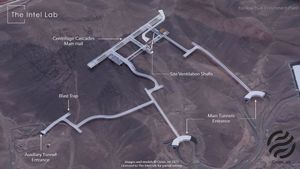
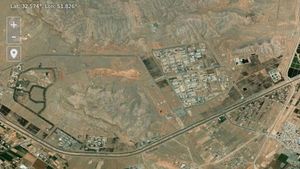
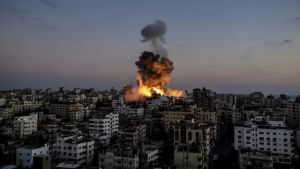
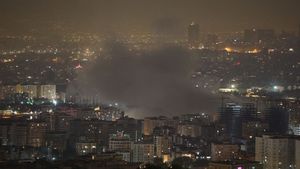

According to Russian nuclear weapons analyst Pavel Podvig, the pace of Iran's nuclear program relies on the results of Israeli and US attacks in destroying Iran's enriched uranium supply.
The key element is the material. So after you have the material, the rest is quite known," said Podvig, based in Geneva.
Separately, amid attempts to destroy Iran's nuclear facilities and program, Israel is strongly suspected of having a continuing and developing covert nuclear weapons program.
The New York Times reports that the Centers for Weapons Control and Non-Proliferation and Nuclear Threat Pre-Corruption say Israel is widely believed to have at least 90 warheads and sufficient fissile material to produce hundreds more nuclearly.
According to nuclear security expert at the International Institute for Strategic Studies in London, Alexander K. Bollfrass, Israel has a secret nuclear weapons program that is not publicly announced.
"From an official diplomatic stance perspective, Israel will not confirm or deny their nuclear arsenal," Bollfrass told the New York Times.
Israel is known to be one of five countries other than India, Pakistan, North Korea, and South Sudan, which did not sign the UN Nuclear Non-Proliferation Treaty.
The agreement, which came into force in 1970, generally binds the government of a transparent country to inform their nuclear program to prevent abuse. Iran is one of the countries that signed the UN Nuclear Non-Proliferation Treaty.
The English, Chinese, Japanese, Arabic, and French versions are automatically generated by the AI. So there may still be inaccuracies in translating, please always see Indonesian as our main language. (system supported by DigitalSiber.id)
Most Popular Tags
#Prabowo Subianto #donald trump #Febrie Adriansyah #8791 #giias 2026Popular


