

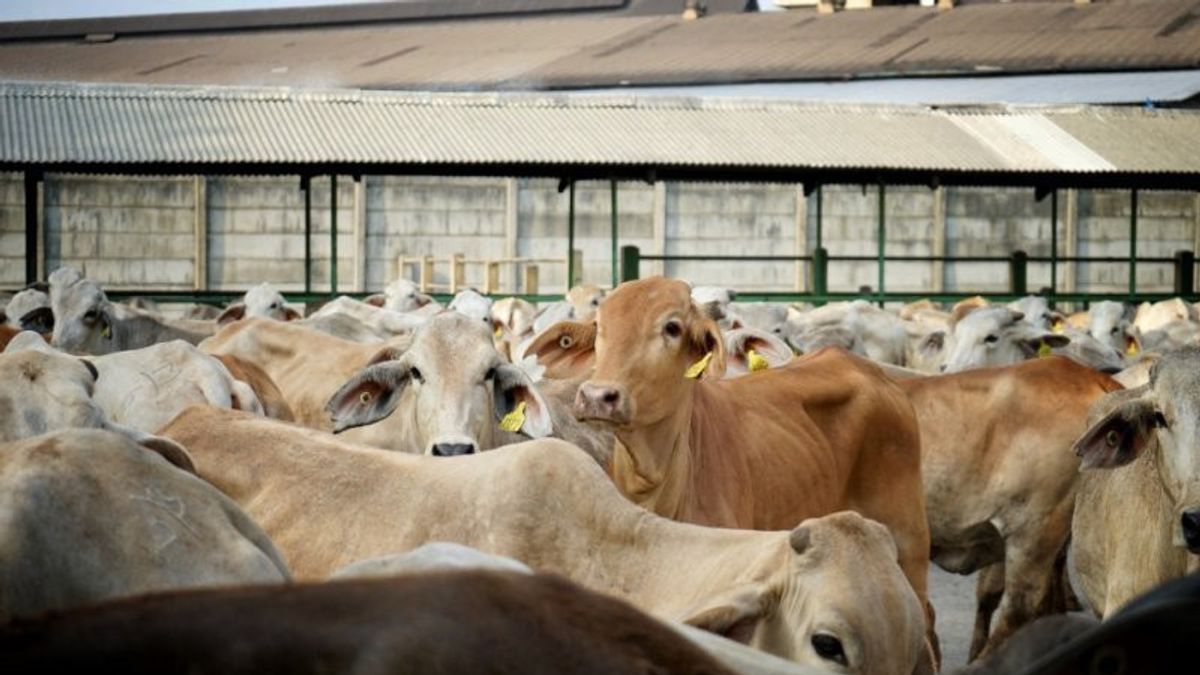


Acting Governor of East Java Adhy Karyono has declared a state of emergency for non-natural disasters due to Foot and Mouth Disease (PMK) throughout East Java.
This status is in accordance with the Decree of the Governor of East Java Number 100.3.3.1/31/013/2025 concerning the Status of Non-natural Disaster Emergency Due to Mouth and Nail Diseases in East Java Province, which was issued on January 23, 2025.
"The status of the emergency is enforced until PMK is no longer found or is not a problem for livestock health in the Regency/City area in East Java or according to the recommendations of the East Java Provincial Veterinary Authority officials," Adhy said quoting Antara.
In East Java, the total number of PMK cases that have been reported from December 1, 2024 to January 30, 2025 is 18,721 cases. With details, 10,670 livestock still sick (57 percent), 6,616 livestock recovered or 6,616 recoveries (35 percent) and 984 livestock died (5.1 percent).
Meanwhile, nationally PMK has also seen an increase in cases in 8 provinces, namely East Java, Central Java, DIY, West Java, Banten, Lampung, Aceh and NTB.
"The average increase in PMK cases in East Java has reached 350 individuals/day from the previous 10 cases/day. Epidemiologically, the increase in cases has reached 2 times the standard for deviating the average of cases over the past year," he said.
Regarding this increase, Adhy appealed to the regents/mayors to immediately take holistic and continuous PMK control measures.
"We also appeal to the Regent/Mayor to immediately provide budget sharing to accelerate the PMK control process in the form of providing operations for vaccination and treatment officers," he said.
As well as the purchase of medical equipment supporting vaccination and treatment. In addition, for the purchase of drugs and vaccines.
"We will issue an operational letter from the Governor regarding the Acceleration of PMK Control in East Java addressed to the Regent/Mayor," he said.
SEE ALSO:
-
 | EKONOMI
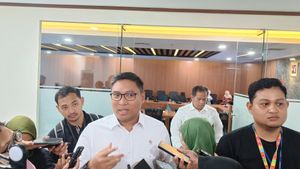
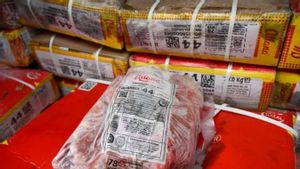
Wabah PMK Merebak Bikin Rencana Impor Sapi Batal, Begini Kata Wamentan Sudaryono
31 Januari 2025, 14:43
The implementation of PMK control and control in livestock includes isolation of cage/village-based sick animals by paying attention to the extent of disease spread, and treating sick livestock and vaccination of healthy livestock.
Recording the profile of livestock in each region includes a risky population of livestock and its location (by name by address), and temporarily closing the animal market if needed or according to the recommendations of local Veterinary Authority Officials.
Furthermore, assigning veterinarians to supervise livestock traded in the animal market, as well as increase animal health monitoring, surveillance of animal traffic and their products, as well as guidance for farmers to report if they find sick or dead livestock accompanied or without clinical signs that lead to PMK.
The English, Chinese, Japanese, Arabic, and French versions are automatically generated by the AI. So there may still be inaccuracies in translating, please always see Indonesian as our main language. (system supported by DigitalSiber.id)


