
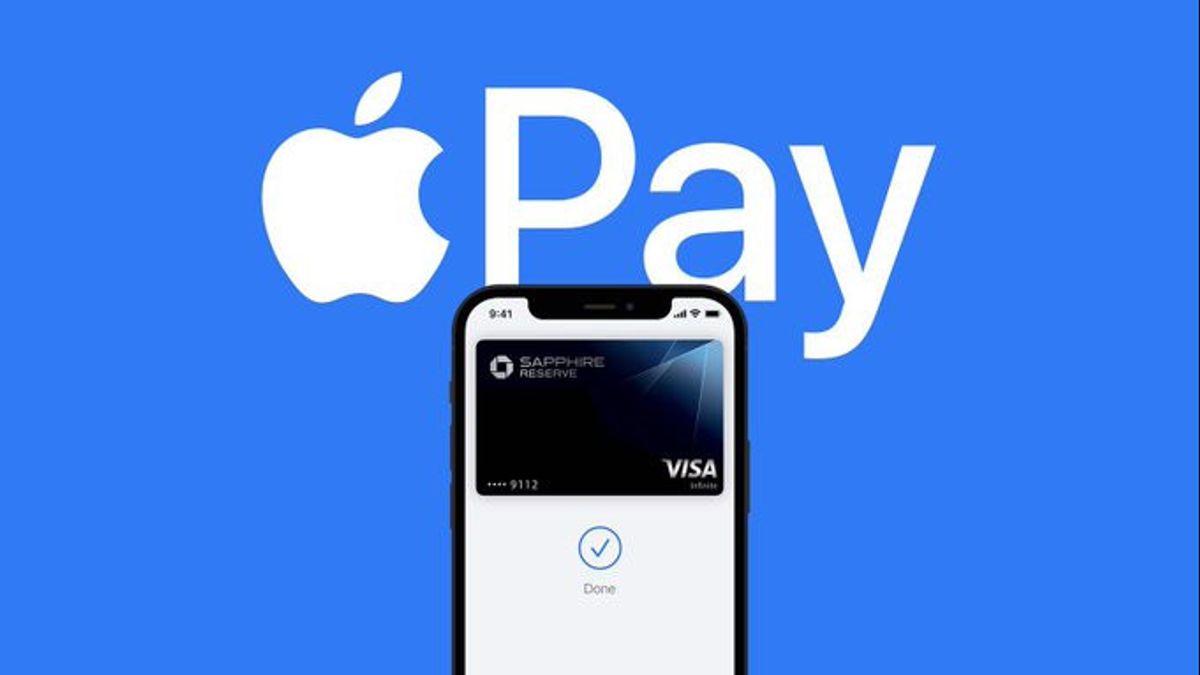


JAKARTA - Apple users are again the target of a coordinated phishing campaign that impersonates Apple Pay. In this latest mode, cyber criminals send convincing-looking fake emails, as if they came from Apple's billing or fraud prevention team, to trick victims into handing over sensitive data.
In the email, the perpetrator claims that there is a suspicious transaction, Apple Pay payment is blocked, or even an appointment associated with the victim's Apple ID. By taking advantage of the panic and fear related to financial transactions, the perpetrator tries to encourage the victim to act quickly without having time to verify.
These phishing emails usually mention a large-value Apple Pay purchase made at a physical store. To increase credibility, perpetrators add fake details such as case numbers, transaction time stamps, and technical terms that sound official. The victim is then warned that the transaction has been blocked or requires immediate confirmation due to suspected suspicious activity.
To solve the problem, the victim was directed to contact the phone number listed in the email. This number is actually controlled by fraudsters who pose as Apple Support agents. When the victim calls, the perpetrator will ask for an Apple ID verification code, account details, or payment information under the guise of solving a security problem.
Conversations are usually neatly and professionally arranged to sound convincing. In some cases, the perpetrator even pretends to transfer the call to another "specialist" to strengthen the official impression. All this is done so that the victim does not have time to stop, think again, or seek independent confirmation.
After the victim's trust is formed, demands can increase. The perpetrator will emphasize the urgency and risk if the victim does not act immediately, until finally the account data or financial information is successfully stolen.
To recognize and avoid this kind of fraud, users are advised to always check the sender's email address. Fake emails almost always come from addresses that are not directly related to Apple's official domain. In addition, messages often contain awkward greetings, unreasonable technical details, or phone numbers that if searched are not related to Apple.
Apple insists that it has never sent emails that force users to take immediate action, let alone ask for passwords, verification codes, or payment information. Apple's official support will also not ask for sensitive data via email or unsolicited phone calls.
Users are advised to ignore these types of emails, not to call the listed numbers, and to always check the status of the Apple Pay account directly through the official app or Apple's official website if they have any doubts.
The English, Chinese, Japanese, Arabic, and French versions are automatically generated by the AI. So there may still be inaccuracies in translating, please always see Indonesian as our main language. (system supported by DigitalSiber.id)
Most Popular Tags
#Prabowo Subianto #donald trump #2026 World Cup #Febrie Adriansyah #8791Popular


