


JAKARTA The social media platform X, which is owned by Elon Musk, states that the UK Online Safety Act (Online Safety Act) risks threatening freedom of expression because its application is considered too harsh and widespread. In a statement released Friday 1 August, X called for significant changes to the law so as not to cause side effects in the form of excessive censorship.
The Online Safety Act, which began implementing this year, requires large platforms such as Facebook, YouTube, TikTok, and X as well as sites providing pornographic content to protect children and remove illegal content. However, this rule has drawn sharp criticism from various parties, including politicians, freedom of expression activists, as well as content creators.
The most complaints come from users who have had to go through the age verification process by uploading personal data to access pornographic sites. More than 468,000 people have signed an online petition calling for the repeal of the law. However, the British government has stated that it will not revoke the rule and is working with regulator Ofcom to accelerate its implementation.
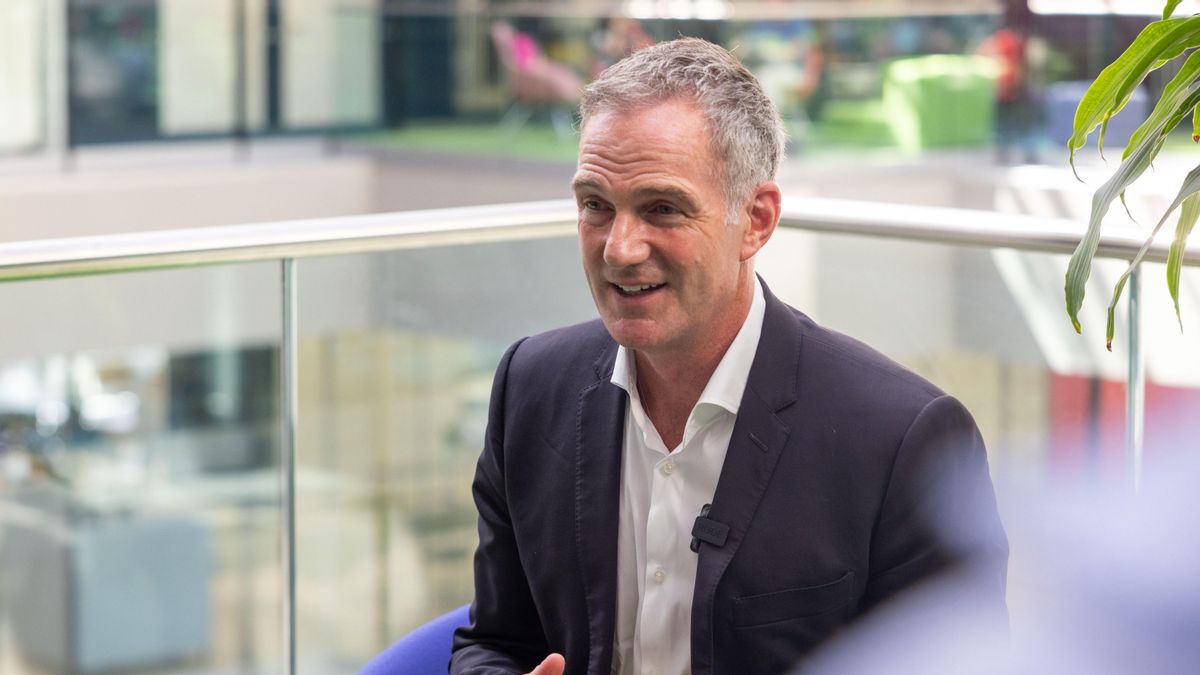
British Technology Minister Peter Kyle even said that those who rejected the law " took sides with the online predatory perpetrators".
In a statement, X said that the goodwill of this law had been overshadowed by its over-spread regulatory coverage. When lawmakers agree to this rule, they consciously choose to increase censorship on behalf of online security, the statement reads. It's worth questioning whether British citizens are fully aware of the compromise they do.
X also highlighted the schedule of implementations that were considered too strict. Despite complying with age verification rules, X said it still faces the threat of law enforcement and fines, prompting platforms to over-sensor in order to avoid penalties.
SEE ALSO:
-
 | TEKNOLOGI
UScellular Resmi Bergabung dengan T-Mobile, Perluas Jaringan untuk Pelanggan
03 Agustus 2025, 16:45 -
 | TEKNOLOGI
Pemerintah Tetapkan Pajak Baru Kripto, Tokocrypto Soroti Keadilan dan Insentif
03 Agustus 2025, 14:07



According to X, the only way to achieve the goal of child protection, freedom, and innovation simultaneously is with a balanced approach. "It is clear that significant changes must be made so that these goals can be achieved in the UK," he wrote.
In response to the criticism, a spokesman for the British government stated that the allegations were "really wrong". "In addition to the legal obligation to protect children, this law also contains a clear and firm obligation to platforms to protect freedom of expression," he said.
Meanwhile, Ofcom, the UK's communications regulatory authority, announced last Thursday that it had started an investigation into four companies managing a total of 34 pornographic sites to evaluate their compliance with the new law.
Controversy around the Online Safety Act is expected to continue to heat up amid tensions between child protection, privacy rights, and free speech in the digital realm.
The English, Chinese, Japanese, Arabic, and French versions are automatically generated by the AI. So there may still be inaccuracies in translating, please always see Indonesian as our main language. (system supported by DigitalSiber.id)
Popular


