

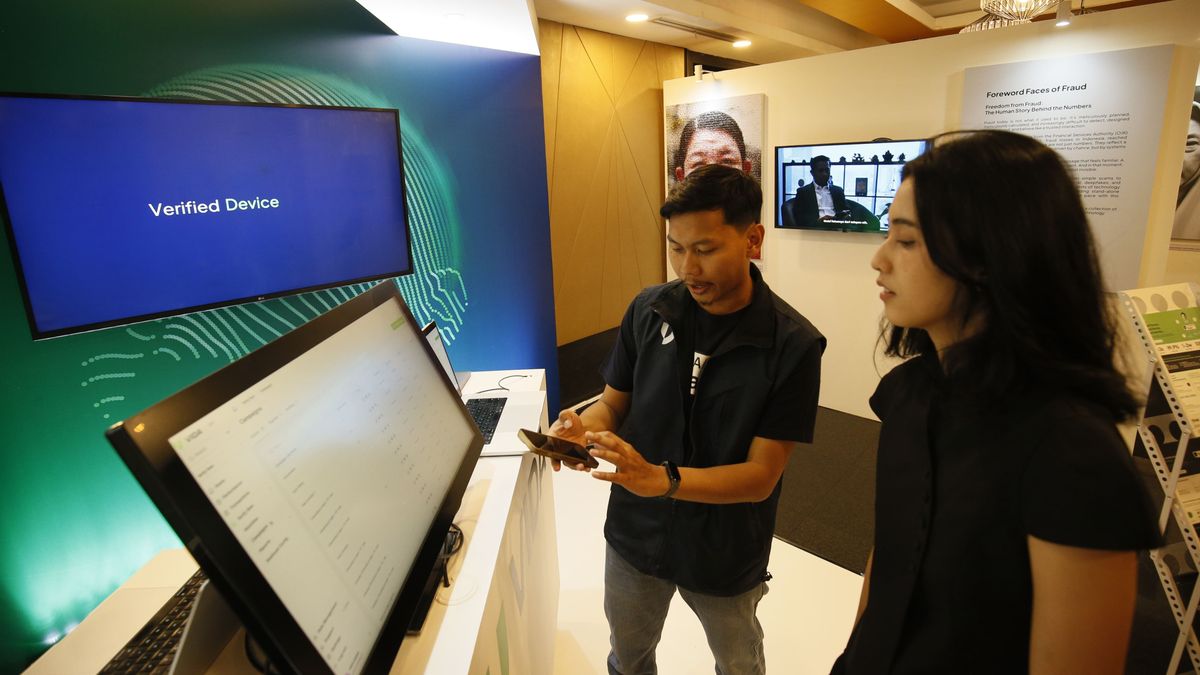


JAKARTA - VIDA, a digital identity and fraud prevention company in Indonesia, has launched ID FraudShield, a technology that combines biometric verification with device analysis for real-time fraud detection in one integration.
The launch of ID FraudShield is driven by the increasing modus operandi of digital fraud in the financial industry. If previously liveness detection became the main standard to ensure the presence of a real human and prevent the use of photos, videos, and deepfakes, now fraud attacks are developing more complex by targeting devices, networks, user behavior, and transactions.
The perpetrator has even used techniques such as injection attacks, emulator farms, and GPS spoofing to trick the biometric verification system.
"To deal with this fraud method, one layer of verification is no longer enough. There are three factors that must be verified simultaneously, namely the person, his identity, and the device used," said VIDA Founder and Group CEO, Niki Luhur in his statement.
Liveness and ID FraudShield run two engines simultaneously in one technology. The first engine, Biometric Liveness Detection, ensures the presence of a real human and prevents deepfake, spoofing, and screen replay to trick the system as if it were a direct interaction.
The second engine, ID FraudShield, works by analyzing device signals and user behavior in real time. The goal is to detect fraud indications that may be missed by biometric checks.
For each verification session, the FraudShield ID evaluates various risk indicators and assigns a score, ranging from low risk to critical risk.
These two engines form a layer of defense, namely:
Biometric Liveness: Ensuring the presence of a real human and preventing the use of deepfake, photos, and video recordings Device Intelligence: Analyzing and detecting risky devices such as emulators, modified devices, cloned applications, and suspicious activity on devices Behavioral Analytics: Monitoring user behavior patterns when entering data during the verification process Network & Location: Recognizing the use of VPN, proxies, fake GPS, and inconsistencies in location and network Rule Engine: Evaluating various risk indicators in real time and classifying the fraud risk level in each verification session ID Graph (Network Intelligence): Connecting device, document, and biometric data to detect the presence of online fraud syndicates, artificial identities (synthetic identity), device farms, and intermediary accounts (mule accounts).This solution allows companies to detect fraud risks faster while maintaining user experience and regulatory compliance.
"Through this technology, we want to help the industry detect fraud that was previously invisible," concluded Niki.
The English, Chinese, Japanese, Arabic, and French versions are automatically generated by the AI. So there may still be inaccuracies in translating, please always see Indonesian as our main language. (system supported by DigitalSiber.id)
Most Popular Tags
#Prabowo Subianto #donald trump #firearm #8791 #giias 2026Popular


