
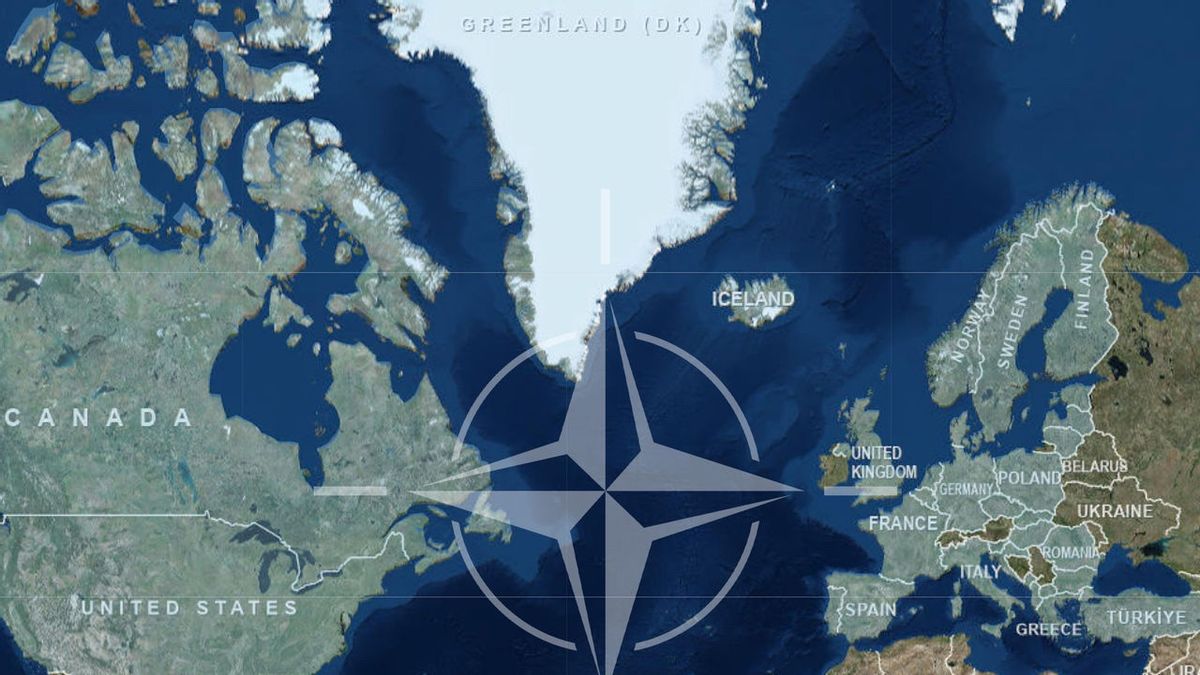


JAKARTA - OpenAI is considering a contract to deploy its artificial intelligence technology on the NATO "unclassified" network. This was known according to a source who was aware of the discussion on March 3.
The move comes just days after the company that owns ChatGPT signed a deal with the Pentagon, expanding its footprint in the Western defense sector.
The initial report came from The Wall Street Journal which said OpenAI opened the opportunity for cooperation with NATO. In an internal meeting of the company, OpenAI CEO Sam Altman said that the company "sees an opportunity to deploy across the NATO classified network".
However, a company spokesperson later clarified to the media that Altman had mistakenly mentioned the term, and the contract opportunities discussed were actually limited to the NATO "unclassified" network.
NATO, a military alliance of 32 countries in the North Atlantic and European regions, has not given an official response to this.
OpenAI's move comes after the Microsoft and Amazon-backed company announced a deal to deploy its technology on the Pentagon's classified network. The deal was announced following a directive from US President Donald Trump asking the government to stop cooperating with OpenAI competitor Anthropic.
The decision sparked a wave of internal and external debate. Anthropic was removed from contract talks after a stalemate with the Pentagon over the use of AI technology.
Anthropic CEO Dario Amodei previously confirmed his company's rejection of the use of AI models for domestic mass surveillance or the operation of fully autonomous weapons without human involvement.
The Pentagon previously stated that it had no interest in using AI for mass surveillance of American citizens nor in developing weapons that operate entirely without human control. However, the US Department of Defense insists on ensuring that the legal use of AI remains permissible.
In an updated statement on March 2 after the agreement with the Pentagon was reached on February 27, OpenAI stated that its AI system "will not be used intentionally for domestic surveillance of US residents and citizens". The company also added that the Pentagon confirmed that the AI service would not be used by intelligence agencies such as the National Security Agency.
Altman admitted that the decision to work with the Pentagon was not without reputational risk. "I think this is an example of a complex, but appropriate decision, with very difficult brand consequences and very negative PR for us in the short term," Altman said at a company meeting on March 3, as reported by The Wall Street Journal.
If the contract with NATO is realized, this step will expand OpenAI's role in Western security infrastructure, albeit limited to unclassified networks. In the midst of increasing geopolitical tensions and the AI adoption race in the military sector, the big question is no longer whether AI will enter the defense sector, but how far and with what ethical fence.
The English, Chinese, Japanese, Arabic, and French versions are automatically generated by the AI. So there may still be inaccuracies in translating, please always see Indonesian as our main language. (system supported by DigitalSiber.id)
Popular


