
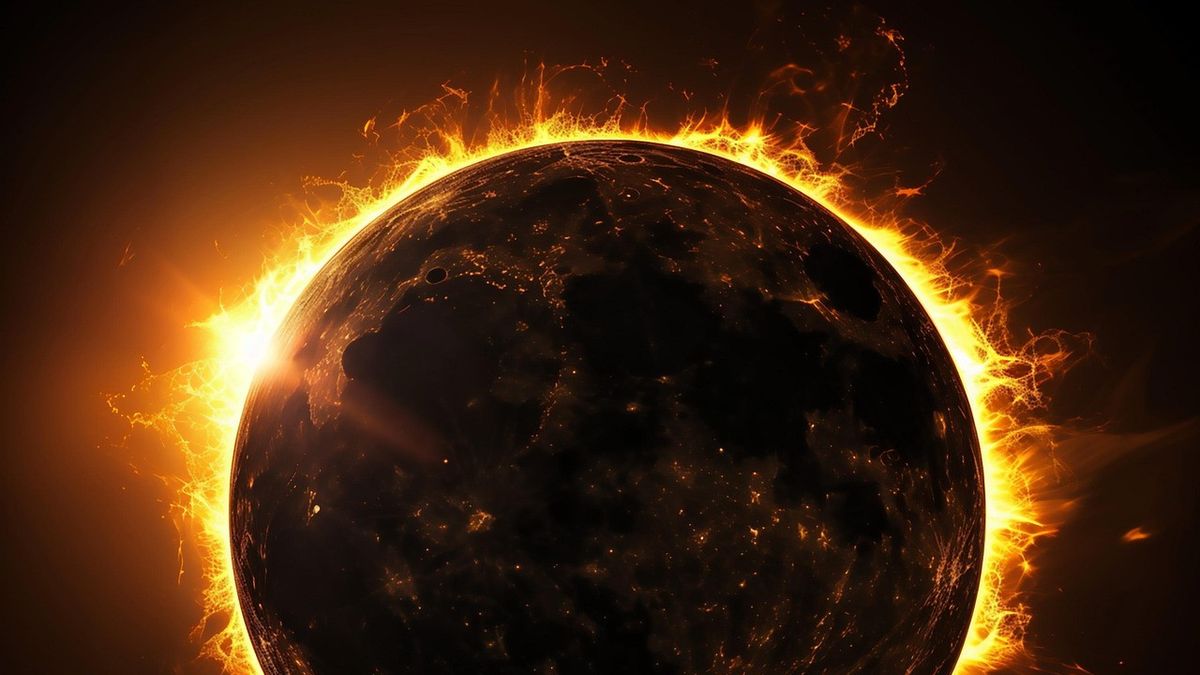


YOGYAKARTA - Throughout February 2026, the night sky will be enlivened by various interesting astronomical phenomena to be observed. Some of the astronomical phenomena in 2026 that are predicted to decorate the earth's sky include the snow moon, meteor showers, annular solar eclipses, and planet parades.
Interestingly, some of these astronomical phenomena can be witnessed directly with the naked eye, provided the sky is clear and the clouds are not obscured.
Astronomical Phenomena February 2026According to the In The Sky website, the following is a list of astronomical phenomena that will decorate the earth's sky throughout February 2026:
Snow MoonIn early February 2026, the sky will present a view of the snow moon full moon alias full moon. This astronomical phenomenon occurs when the planet Earth is exactly between the Sun and the Moon. This presence makes one side of the Moon facing the earth shine under the sun.
February's full moon is also called the Snow Moon. This refers to the many snows that fall in the middle of winter.
The full moon phase is estimated to occur on February 2, 2026. At this phase, the entire surface of the Moon facing the Earth will appear bright so that it is suitable for observation after the Sun sets until it rises again.
Alpha Centaurid Meteor ShowerThe next astronomical phenomenon in 2026 is the Alpha Centaurid meteor shower. This phenomenon is estimated to reach its peak on February 8. In the peak phase, this meteor shower can produce about six meteors per hour.
The Alpha Centaurid meteor shower comes from the constellation Centaurus and is generally observable in the southern hemisphere regions such as Australia, New Zealand, and most of South America.
This phenomenon occurs when the earth passes through the remnants of cometary or other celestial material on its journey around the sun.
Solar Ring EclipseOne of the most anticipated celestial phenomena is the annular solar eclipse that occurs on February 17, 2026. This eclipse takes place when the moon is between the sun and the earth, covering most of the sun's surface.
In this event, the moon is expected to cover about 92 percent of the sun, with the ring phase lasting about two minutes 19 seconds.
However, unfortunately this annular solar eclipse cannot be observed from Indonesia and can only be seen in the Antarctic region as well as parts of South America and South Africa.
Six Planet ParadeOn February 28, 2026, six planets will appear lined up in the sky, creating a stunning planet parade phenomenon. The planets are Mercury, Venus, Saturn, Jupiter, Uranus, and Neptune.
Mercury, Venus, and Saturn will be seen close together in the southern sky, while Jupiter will shine brightly near the moon. However, Uranus and Neptune require the help of a telescope or binoculars because of their relatively dim light.
In astronomy, this phenomenon is called the term planetary aligngment alias planet conjugation. The planet parade phenomenon occurs due to the difference in orbital speed of each planet when orbiting the Sun.
This is information about the astronomical phenomenon of February 2026. Get other interesting news updates by visiting the VOI.id page.
The English, Chinese, Japanese, Arabic, and French versions are automatically generated by the AI. So there may still be inaccuracies in translating, please always see Indonesian as our main language. (system supported by DigitalSiber.id)
Most Popular Tags
#Prabowo Subianto #donald trump #2026 World Cup #Febrie Adriansyah #8791Popular


