
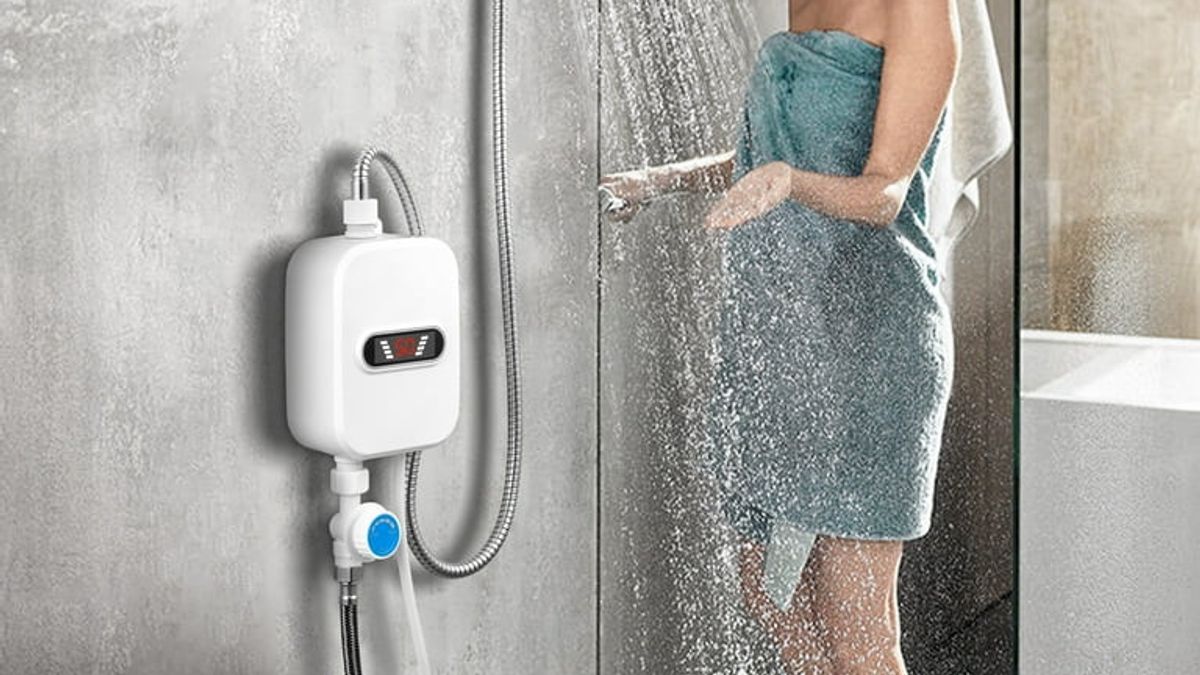


YOGYAKARTA - Electric water heaters are a practical solution for providing instant hot water without requiring a complicated water heating system. For many households, installing an electric water heater is the right step to increase comfort, especially during the rainy season or when the temperature is cold. If you plan to install an electric water heater yourself, here is a complete guide that can help you install it properly and safely.
Knowing the List of Electric Water HeatersElectric water heaters are devices that use electrical energy to heat water. This device is equipped with a heating element inside the water tank that works by flowing electricity to heat the water to the desired temperature. Electric water heaters are often used in homes, apartments, or places that require a quick and efficient supply of hot water.
Preparation Before Installing an Electric Water HeaterBefore starting how to install an electric water heater, make sure you have prepared the following things:
1. Choose the Right Location
Choose a location that is easy to reach and close to water and electricity sources. Also make sure the location has good ventilation, if your water heater has components that require air circulation.
2. Check the Electrical Capacity
Before installing an electric water heater, make sure that the electrical installation in your home is sufficient to support the use of the device's power. Electric water heaters usually require a fairly large power, between 1,500 to 3,000 watts, depending on its capacity.
3. Prepare Tools and Materials
To install an electric water heater, you will need tools such as a screwdriver, a wrench, a water pipe, a heating pipe, and of course, the electric water heater unit itself.
How to Install an Electric Water Heater Step by StepHere are the steps on how to install an electric water heater that you can follow to ensure that the installation is safe and correct.
Turn off the Power SourceThe first thing to do is turn off the electricity flow in your house to avoid unwanted events during the installation process. Make sure you disconnect the electricity flow from the MCB (Miniature Circuit Breaker) or main circuit breaker.
Water Pipe InstallationConnect the inlet and outlet water pipes to the electric water heater unit. Usually, electric water heaters have two pipe connections, namely for incoming water and outgoing hot water. Make sure the pipe used is in accordance with the connection size on the unit and make sure the connection is tight to prevent leakage.
Water Inlet Pipe: Connect the cold water pipe from the water source to the inlet at the bottom of the water heater. Water Outlet Pipe: Install the hot water pipe on the hot water outlet at the top of the water heater.If you use plastic pipes, make sure the pipe can withstand the temperature of hot water coming out of the water heater.
Connect to ElectricityThe next step in how to install an electric water heater is to connect the electrical cable to the unit. You need to make sure that the cable used has a size that matches the electrical power required by the water heater. Use a well-insulated cable to prevent the risk of fire.
Connect the electrical cable to the electrical terminal at the back of the water heater unit. Make sure the electrical cable is firmly attached and nothing is peeled off. Connect the electrical cable to the socket that has been prepared near the location of the water heater. Check for leaksAfter all the pipe and cable connections are complete, turn on the water flow to check if there are leaks in the pipe connections. Make sure all connections are tight and no water leaks. If there is a leak, immediately repair it by using a wrench to tighten the pipe connection.
Turn on the Water HeaterAfter ensuring that there is no leakage in the water pipe, turn on the electric water heater by turning on the electricity flow at the MCB. Set the desired water temperature on the temperature control on the unit. Wait a few moments until the water in the heating tank starts to heat.
Check the Water Heater FunctionAfter the heating process takes place, try checking the water coming out of the hot water pipe. Make sure the water is hot enough and the unit works well. If the water is not hot, check the electrical connection again and make sure the temperature control is set correctly.
Tips for Caring for Electric Water HeatersAfter successfully installing an electric water heater, it is important to perform routine maintenance so that the device continues to function properly and last long. Here are some maintenance tips:
1. Routine Cleaning the Tank
Clean the tank regularly to avoid the accumulation of crust on the heating element which can reduce heating efficiency.
2. Check the Heating Element
Check the heating elements periodically to ensure there is no damage or performance degradation. If the heating element is worn out, immediately replace it with a new one.
3. Check the Pipe and Connection
Make sure the water pipe connection is always tight and there is no leakage. This will help prevent energy waste and maintain the safety of using a water heater.
Installing an electric water heater yourself can be a fairly easy project to do if you follow the right steps. Make sure you prepare all the tools and materials needed, as well as carefully check the electrical and plumbing installation. With good care, the electric water heater will provide comfort and energy efficiency in your daily life. Don't hesitate to contact a professional if you are hesitant about the installation or safety of the electrical installation in your home. In addition, know the Difference between Electric Water Heater and Gas Water Heater.
So after knowing how to install an electric water heater, check out other interesting news at VOI.ID, it's time to revolutionize the news!
The English, Chinese, Japanese, Arabic, and French versions are automatically generated by the AI. So there may still be inaccuracies in translating, please always see Indonesian as our main language. (system supported by DigitalSiber.id)


