
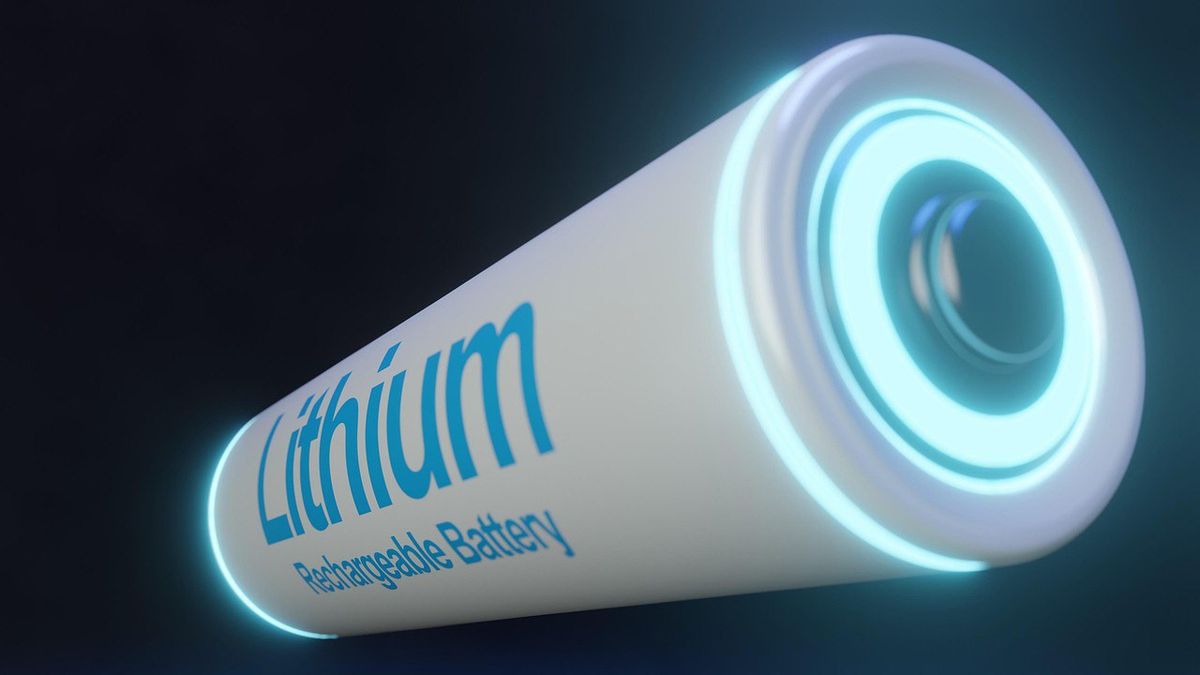


YOGYAKARTA - A lithium battery is a modern energy storage technology used in various devices, ranging from mobile phones to electric vehicles. This type of battery is popular because it has high energy, light weight, and a longer life than traditional batteries.
In addition, the development of lithium batteries continues to increase along with the need for increasingly specific applications. Each type of lithium battery has a different ability. Therefore, it is important to understand the types of lithium batteries before choosing them for a device. Here's the discussion.
A lithium battery is a type of battery that uses lithium as the main component in the electrochemical process inside its cell. This technology is chosen because it is capable of storing large amounts of energy despite its small size and lightness. In addition, lithium batteries have a long life to make them more efficient.
In general, lithium batteries are divided into two main categories, namely primary batteries and secondary batteries. Primary batteries cannot be recharged and are usually used for small devices such as watches or sensors. Meanwhile, secondary batteries can be recharged and widely used on devices such as smartphones, laptops, and electric vehicles.
The main advantage of lithium batteries lies in its stability, efficiency, and good refillability. This makes lithium technology ideal for electronic devices, home energy storage systems, to advanced technologies such as drones and EVs.
Litium batteries have different types designed to meet different energy requirements. From Li-Ion to NMC, each type offers certain advantages. Reporting from Tycrounergy.com, here are the discussions of the 7 most popular types of lithium batteries today.
The lithium-ion battery is the most common type found in electronic devices such as laptops, digital cameras, and cell phones. Its energy density is high, making it able to store more power in small sizes. In addition, this battery has a recharge cycle that is long enough to last for use.
However, Li-Ion is sensitive to high temperatures and has the potential to experience a thermal runaway if the quality is poor. Therefore, users need to ensure that the purchase of Li-Ion batteries is only from trusted producers. Many Li-Ion batteries are now equipped with a battery management system (BMS) to improve their safety.
LiFePO4 batteries are known to have very high safety and long life. This type is stable against hot temperatures and has a lower risk of fire or explosion. Because of these characteristics, LiFePO4 is widely used in UPS, solar panels, and electric vehicles.
LiFePO4 also has good refill efficiency and strong chemical stability. This type is very suitable for long-term energy applications and intense use. In addition, LiFePO4 batteries are available in various capacities to meet both home and industrial needs.
Li-Po batteries use gel-shaped electrolytes to make them more flexible in design. These batteries can be made thin, light, and in a varied shape. These advantages make them popular on drones, wearable devices, and premium gadgets.
Li-Po is capable of producing high power in a short time, making it very suitable for devices that require a surge in energy. However, this battery is more prone to physical damage and excess charging.
SEE ALSO:
LTO batteries have super fast charging capabilities and a very long life cycle, can reach more than 10,000 times charging. This type uses a lithium titanate-based anode that allows charging in just a matter of minutes. Another advantage is the ability to work in extreme temperatures.
However, LTO has a low energy density so it is larger than other types. That's why LTO is used more in public vehicles such as electric buses and large-scale energy storage. In addition, this battery is often used in military applications that require extreme resilience.
LiCoO2 has a high energy density and is widely used on portable devices such as cell phones and laptops. Cobalt material in its cathodes allows large-power storage in small sizes. This advantage makes it ideal for devices with high mobility.
Unfortunately, this battery has a shorter and unstable life period at high temperatures. Due to the overheating risk, its use is more focused on gadgets that don't require too frequent refills.
LiMn2O4 offers high thermal stability so that it is safer than the cobalt-based type. Its chemical structure allows for more efficient heat disposal, reducing the risk of overheating. Therefore, this battery is widely used for applications that require high security.
This battery has a life cycle shorter than LiFePO4 and NMC. This type of lithium battery is commonly used for high-power equipment with short usage durations such as medical equipment, electrical tools, and hybrid vehicles.
NMC is a balanced type of battery in terms of security, energy density, and life. The combination of nickel, manganese, and cobalt makes it efficient to use on electric vehicles. Therefore, NMC is one of the main options in the EV industry.
This type is also used in battery swap systems that make it easier to replace and care for vehicle batteries. With high efficiency and strong security, NMC is the ideal choice for various applications. Apart from EVs, NMC is also used in high-performance energy storage and devices.
This is the discussion of 7 types of lithium batteries for various needs. By understanding the characteristics of each type of battery, you can determine the type that best suits the needs of certain devices or applications.
In addition to discussing 7 types of lithium batteries, follow other interesting articles on VOI.ID. So that we don't miss the updated news and continue to monitor our social media accounts!
The English, Chinese, Japanese, Arabic, and French versions are automatically generated by the AI. So there may still be inaccuracies in translating, please always see Indonesian as our main language. (system supported by DigitalSiber.id)


