


JAKARTA - The global automotive industry landscape is currently in a phase of transition that is full of uncertainty, where electrification ambitions begin to collide with market realities.
In a recent interview, Audi CEO Gernot Döllner with Car and Driver, March 3, he confirmed that the Ingolstadt-based manufacturer chose to be more flexible. Although it had previously been busy with its pure electric target, Audi now projects that internal combustion engines (ICE) will still have a long future, at least until the 2030s.
This shift in strategy was triggered by the slowing penetration of the electric car (EV) market in the United States, especially after the removal of the federal EV tax credit at the end of 2025. Döllner observed a "reversal" phenomenon in which consumers are again looking at gasoline and hybrid engines. This condition makes Audi aware that forcing one type of drive system alone will be very risky, given the very contrasting global market dynamics between the strong demand for EVs in China compared to dependence on conventional engines in North America.
Facing this challenge, Audi will not immediately turn off its gasoline engine line just like that but create a completely new gasoline platform in the near future, they choose to continue to refine the existing platform with a focus on advanced electrification or hybrids. This step was taken so that Audi remains competitive without having to sacrifice massive investments in technology that may not be fully accepted by the market in all regions.
Döllner revealed that Audi will reevaluate whether they need to develop the latest generation of combustion engine platforms around 2030. If demand for gasoline cars, especially in the tough SUV and pickup truck segment in the United States, remains stable, then Audi does not rule out continuing to produce ICE engines. The exception only applies to compact cars such as the A3, which are predicted to be fully electric in the early 2030s following strict regulations in Europe and China.
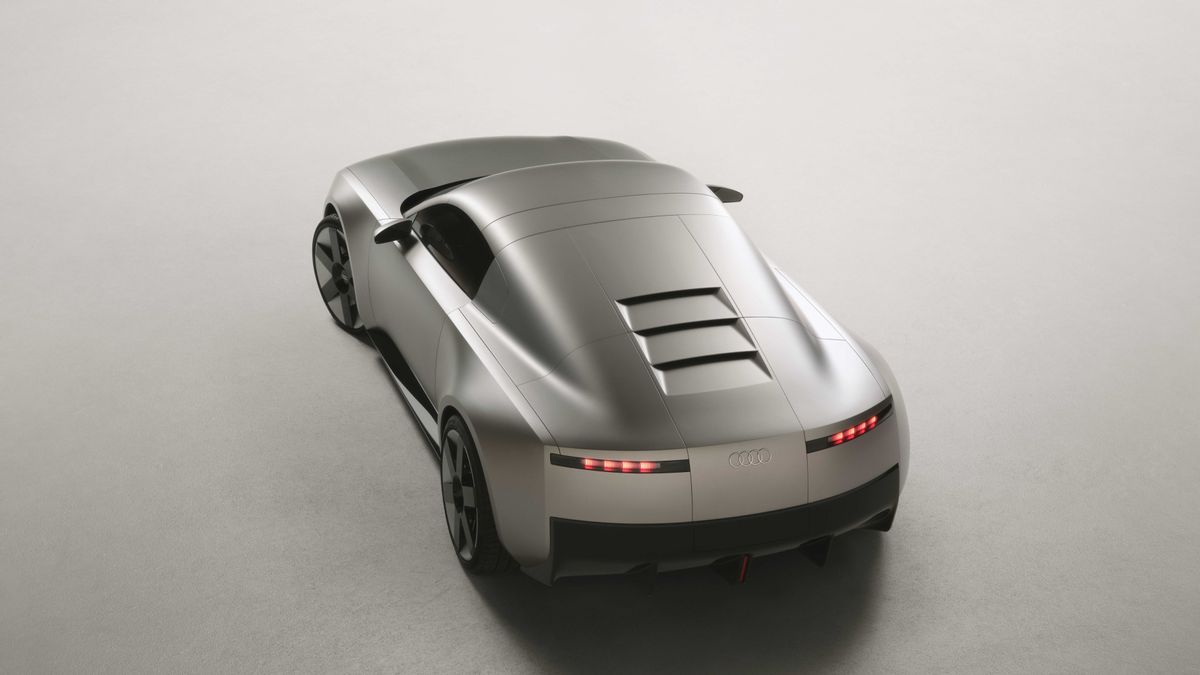
Interestingly, this flexibility also opens up room for the return of high-performance models that petrolheads have been missing for a long time. Döllner gave a positive signal regarding the possibility of a successor to the R8 supercar, which is rumored to share a base with the Lamborghini Temerario using a hybrid V8 engine. Although there has been no official confirmation, Audi's vision of stretching the product line from efficient city cars to super sports cars remains part of their brand identity going forward.
In conclusion, this two-pronged approach is considered by Döllner as the most logical step to avoid compromising quality. By having a separate dedicated platform for electric cars and gasoline engines, Audi strives to provide the best products for consumers in every segment without having to sacrifice performance for design flexibility. For Audi, the next decade is not about turning off one technology for another, but rather about how to adapt intelligently in the midst of the storm of industrial change.
The English, Chinese, Japanese, Arabic, and French versions are automatically generated by the AI. So there may still be inaccuracies in translating, please always see Indonesian as our main language. (system supported by DigitalSiber.id)


